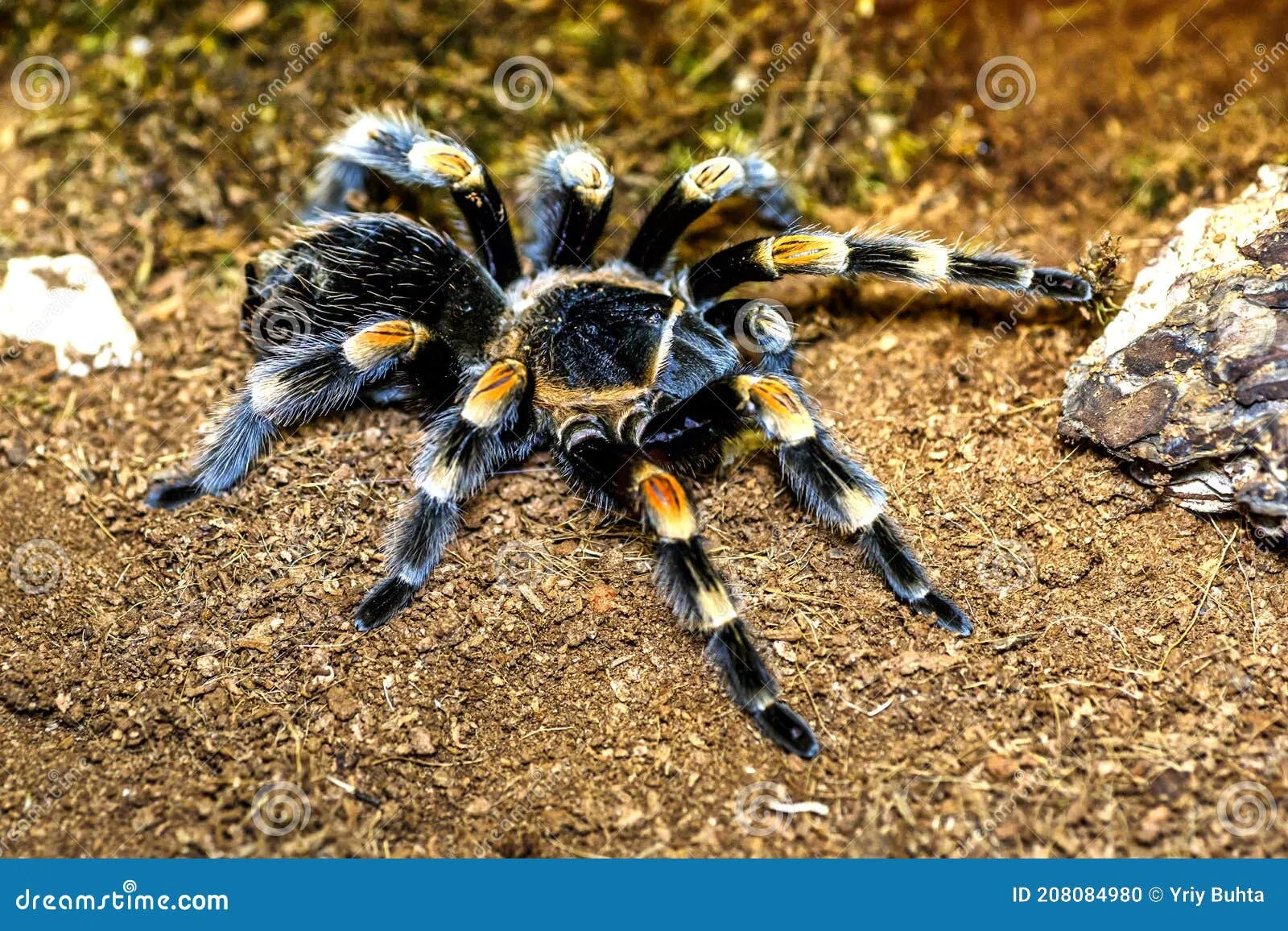
The world of arachnids is filled with fascinating creatures, but few capture the imagination quite like the tarantula. These large, hairy spiders are often misunderstood, but they are truly remarkable animals. Among the many species of tarantulas, some stand out due to their impressive size. This article explores the biggest of these giants, revealing their characteristics, habitats, and the intriguing facts that make them unique. Prepare to be amazed by the largest spider tarantula!
What Makes a Tarantula the Largest
Several factors contribute to a tarantula’s size, including genetics, diet, and environmental conditions. The largest tarantulas are typically found in tropical and subtropical regions where they have access to abundant food sources and favorable climates. These conditions support their growth and development, allowing them to reach impressive sizes. Understanding these factors is crucial to appreciating the true scale of these arachnid giants. The size of a tarantula can be measured in several ways, including leg span, body length, and weight. Leg span is often the most visually striking measurement, while body length provides a more accurate representation of the spider’s core size. Weight can vary significantly depending on the spider’s health, recent feeding, and overall condition.
Size and Weight Comparisons
Comparing the size and weight of different tarantula species can be quite revealing. The Goliath Birdeater, for instance, is renowned for its massive leg span, which can reach up to 12 inches or more. In terms of weight, some of the largest tarantulas can weigh over 6 ounces, making them heavier than many small mammals. These comparisons highlight the sheer scale of these spiders and showcase the remarkable diversity within the tarantula family. These spiders are not only large but also possess a significant mass, making them truly impressive creatures to behold. Such comparisons help in understanding the relative scale and physical attributes of different tarantula species, adding to the intrigue surrounding these giants.
Leg Span and Body Length

Leg span is a primary measure of a tarantula’s size, representing the distance from the tip of one leg to the tip of the opposite leg. Body length, on the other hand, measures the spider’s cephalothorax (head and chest) and abdomen. Both measurements provide valuable insights into the overall dimensions of these creatures. The Goliath Birdeater, for example, often boasts a leg span that can exceed a foot, while its body length can reach several inches. These measurements not only highlight the physical attributes of the tarantula but also offer a glimpse into their predatory capabilities and the environments they inhabit. The proportions of leg span to body length can also vary between species, adding another layer of complexity to their study. The image of a Goliath Birdeater is a perfect example of the scale, highlighting the impressive reach of its legs and the robustness of its body.
Where the Largest Tarantulas Live
The largest tarantulas are typically found in warm, humid environments. The Amazon rainforest in South America is a hotspot for these giants, providing the ideal conditions for their growth and survival. These areas offer abundant food sources and stable temperatures, which are crucial for tarantulas to thrive. Other regions, such as parts of Southeast Asia and Central America, also host large tarantula species. Understanding the geographic distribution of these spiders helps in conservation efforts and provides valuable insights into their ecological roles. The specific habitats vary depending on the species, but they all share a common need for a stable, food-rich, and humid environment. This includes areas with dense vegetation, which offers both shelter and hunting opportunities. The Amazonian rainforest is a prime example, offering everything a Goliath Birdeater needs to flourish.
Habitat and Geographic Range
The habitat of the largest tarantulas is often characterized by dense vegetation, moist soil, and a variety of potential prey. These spiders are typically terrestrial, meaning they live on the ground, often in burrows or under rocks and logs. The geographic range of these species is relatively specific, often limited to areas with suitable climate and food availability. For example, the Goliath Birdeater is primarily found in the rainforests of northern South America. Understanding their habitat and geographic range is essential for conservation efforts. These factors are also critical in understanding the ecological roles these tarantulas play within their respective ecosystems. The specific requirements of each species vary, but all rely on a stable environment with abundant resources. Geographic range maps frequently illustrate the distribution of different species, providing valuable insights for researchers and conservationists.
Top 5 Largest Tarantula Species

While size can vary among individuals, some tarantula species consistently rank among the largest. This list explores the top 5, based on leg span and weight. It’s important to note that these measurements can fluctuate based on individual factors, but these species are generally recognized as giants within the arachnid world. The Goliath Birdeater tops the list, but there are several other species that also command respect due to their impressive size. The following is a glimpse at the titans of the tarantula world, revealing their characteristics and where they can be found. Each species brings its unique attributes to the table, contributing to the remarkable diversity of these creatures.
Goliath Birdeater
The Goliath Birdeater (Theraphosa blondi) holds the title of the world’s largest tarantula by weight and leg span. Native to the rainforests of northern South America, this species can have a leg span of over 12 inches and weigh more than 6 ounces. Despite its name, it rarely eats birds, with its diet primarily consisting of insects, worms, and occasionally small vertebrates. This species is known for its large size, impressive fangs, and defensive hairs. It is a popular choice among tarantula enthusiasts, yet requires careful handling due to its size and potent bite. The Goliath Birdeater is a prime example of the wonders of evolution, a truly formidable creature in its native habitat.
Other Giant Tarantula Species
Several other tarantula species rival the Goliath Birdeater in size. The Giant Huntsman Spider, though not a tarantula, is a large spider often confused with one. The Pinkfoot Goliath (Theraphosa apophysis) is another notable species, closely related to the Goliath Birdeater. The size of these spiders demonstrates the remarkable diversity within the arachnid world. These species are a testament to the adaptability and evolutionary success of tarantulas in various environments. Learning about these spiders increases the understanding of the wonders of nature, showing the impressive diversity of the arachnid world.
Diet and Feeding Habits

Tarantulas are primarily carnivorous, with their diet consisting mainly of insects, though some larger species are known to eat small vertebrates. The diet of a tarantula varies based on its size and the availability of prey in its habitat. Juvenile tarantulas often eat smaller insects, such as crickets and mealworms, while adult tarantulas may hunt larger prey. The feeding habits of tarantulas are fascinating, as they use their fangs to inject venom that paralyzes their prey. They then use digestive enzymes to liquefy the insides of their prey, which they suck up. This feeding process is unique to these creatures. Tarantulas are opportunistic predators, adapting their diet to suit the available food sources in their environment. Their feeding habits illustrate their role as apex predators in their habitats.
What do they eat
The diet of the largest tarantulas can include a variety of prey items. Insects such as crickets, cockroaches, and beetles form the bulk of their meals, particularly for juveniles. Larger species, such as the Goliath Birdeater, may also consume small vertebrates like lizards, rodents, and occasionally birds. The availability of food varies throughout the year, leading tarantulas to adapt their hunting strategies and diet. The food intake also depends on the size and the current stage of development of the tarantula. This diet makes them apex predators in their environments. The varied diets of tarantulas highlight their adaptability. The Goliath Birdeater’s name reflects its potential to eat birds, though insects and other small animals are more common in its diet.
Conservation Status and Threats
Many tarantula species face threats due to habitat loss, deforestation, and the pet trade. The destruction of their natural habitats due to agriculture and urban development limits their living space and food sources. The collection of tarantulas for the pet trade, while not always a direct threat, can impact wild populations if not managed sustainably. Conservation efforts are crucial for protecting these magnificent creatures and their habitats. The IUCN (International Union for Conservation of Nature) assesses the conservation status of many tarantula species, providing important data for conservation planning. Protecting these animals requires understanding the threats they face and implementing measures to mitigate those threats. Public awareness and education also play a vital role in conserving tarantulas.
How to Protect Largest Tarantulas

Protecting the largest tarantulas requires a multi-faceted approach, including habitat preservation, sustainable pet trade practices, and public education. Supporting conservation organizations that focus on tarantula habitats is essential. Educating the public about these creatures and their importance in the ecosystem can reduce misconceptions and encourage responsible interactions. Participating in or supporting sustainable pet trade practices, which involves buying captive-bred tarantulas and avoiding wild-caught specimens, can help protect wild populations. These actions collectively contribute to the long-term survival of the largest tarantulas and the ecosystems they inhabit. Supporting scientific research on tarantulas also aids in conservation efforts, providing critical information for conservation strategies. Protecting these magnificent arachnids is a shared responsibility.
In conclusion, the largest tarantulas are among the most impressive creatures on Earth. Their size, appearance, and unique behaviors make them fascinating subjects of study and admiration. By understanding their characteristics, habitats, and the threats they face, we can take steps to protect these incredible animals for generations to come. The Goliath Birdeater, with its massive size, is a prime example of the wonders of nature. Through continued research, conservation efforts, and responsible practices, we can ensure the survival of these amazing spiders.