What Makes a Tarantula ‘Large’?
The world of arachnids is filled with creatures of varying sizes, but tarantulas stand out as some of the largest spiders on Earth. The term ’large’ when referring to tarantulas is often measured by two primary factors size and weight. These measurements help enthusiasts and scientists alike understand the scope of these impressive arachnids. The sheer size of a tarantula, measured by its leg span, immediately captures attention. The leg span is the distance from the tip of one leg, stretched out to the tip of the leg on the opposite side of the body. It’s this measurement that provides a quick visual indication of how imposing a tarantula can be. Additionally, a tarantula’s weight is a crucial factor. Heavier tarantulas generally have a more robust build, contributing to their overall size and impact.
Size Measurement
Size measurement in tarantulas typically refers to the leg span, as mentioned above. This measurement is the most easily visualized and is often the first thing people notice. The leg span measurement shows the overall size and gives a good indication of the tarantula’s imposing presence. The leg span of a tarantula can vary greatly depending on the species, with some reaching over 10 inches across. To measure a tarantula’s leg span accurately, the tarantula is gently encouraged to stretch its legs out. This is done with care, ensuring the safety of the tarantula and the handler. The legs are then measured from the tip of the front leg on one side to the tip of the back leg on the opposite side. Understanding the leg span is key to appreciating the massive scale of some of the largest tarantulas.
Weight Measurement

Weight measurement provides another crucial dimension to understanding the size of a tarantula. This is especially true when comparing different species. Weight is a good indicator of the tarantula’s overall mass and robustness. It indicates the amount of muscle and tissue that comprises the tarantula’s body. Tarantulas are typically weighed using a digital scale. This ensures an accurate and precise measurement. The weight of a tarantula can fluctuate depending on factors such as diet, hydration, and whether the tarantula is gravid (carrying eggs). For example, a well-fed tarantula, or one that has just molted and is rehydrating, will weigh more than a tarantula that has recently fasted or is nearing a molt. Assessing weight in addition to leg span gives a fuller understanding of the tarantula’s size and overall condition, further emphasizing their grand presence in the animal world.
Top 5 Largest Tarantula Species
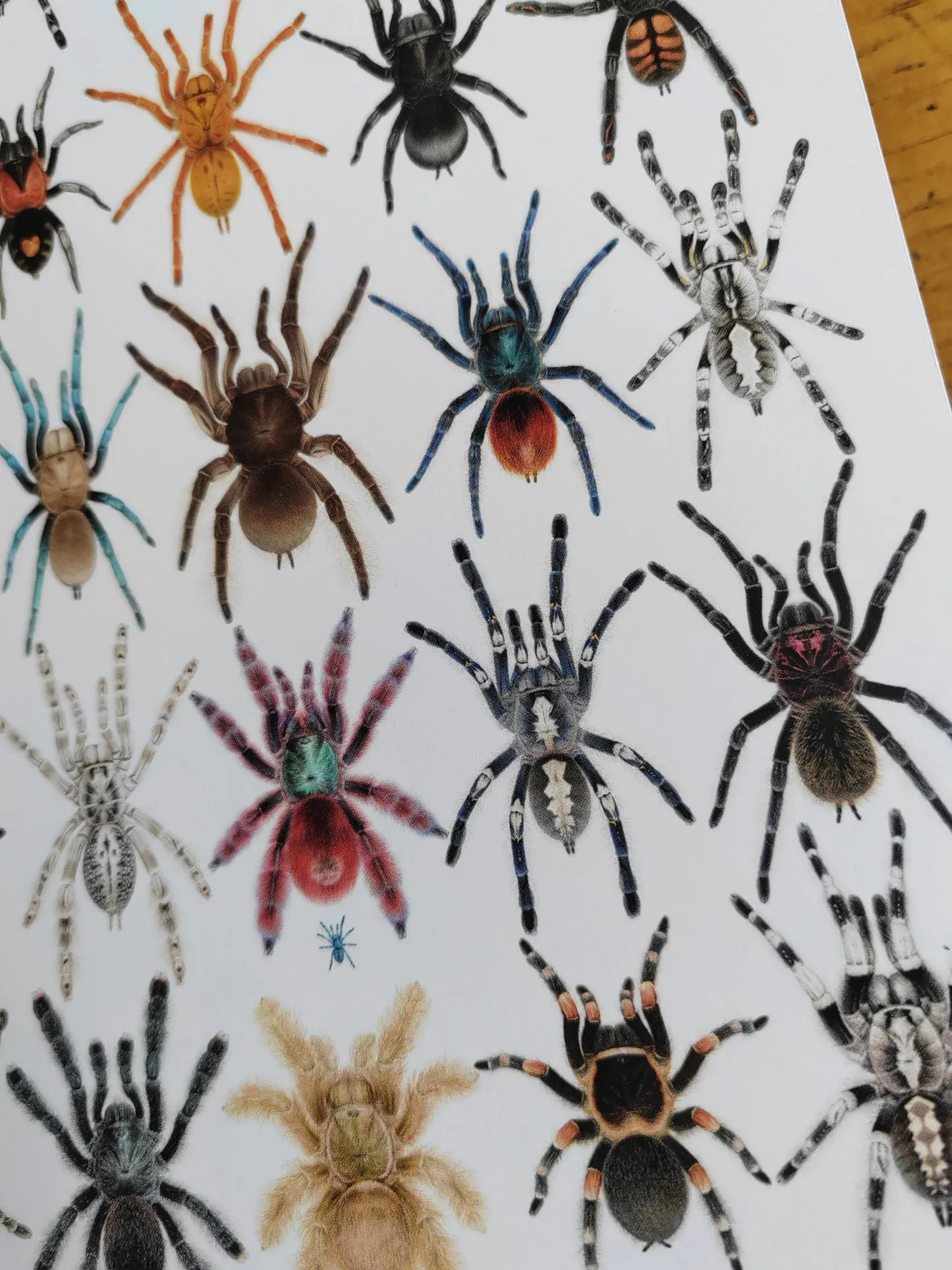
There are many tarantula species, but only a few can truly be considered the largest. The size and weight of these species are always impressive, and they make these arachnids fascinating. The list is based on a combination of leg span and weight measurements, as these are the standard metrics for defining the size of a tarantula. It’s worth noting that individual sizes can vary based on the tarantula’s environment, genetics, and overall health. The following list highlights five of the most impressive tarantula species. The Goliath Birdeater, King Baboon Tarantula, Pinkfoot Goliath Tarantula, Brazilian Giant Blonde, and Sri Lankan Ornamental Tarantula. These magnificent creatures are renowned for their substantial size and are frequently admired by both arachnid enthusiasts and scientists.
Goliath Birdeater
The Goliath Birdeater (Theraphosa blondi) is often considered the largest tarantula species by weight and leg span. Native to the rainforests of northern South America, this tarantula can have a leg span of up to 12 inches and weigh over 6 ounces. Its size and intimidating appearance make it a notable species. The Goliath Birdeater has a reddish-brown hue and is known for its defensive behavior, including rubbing its hind legs together to release urticating hairs. Although its name suggests a diet of birds, it primarily feeds on insects, other invertebrates, and occasionally small vertebrates. Their size makes them one of the most recognizable tarantulas.
King Baboon Tarantula

The King Baboon Tarantula (Citharischius crawshayi), native to East Africa, is another impressive species. Though not as heavy as the Goliath Birdeater, it can have a leg span of up to 8 inches. It is known for its robust build. Unlike many tarantulas, this species does not possess urticating hairs; instead, it relies on its powerful fangs and defensive posture for protection. Their temperament and striking appearance make them a popular choice for enthusiasts. Their ability to thrive in a terrestrial environment makes this species very unique to its own.
Pinkfoot Goliath Tarantula
The Pinkfoot Goliath Tarantula (Theraphosa apophysis), is another South American giant closely related to the Goliath Birdeater. Though slightly smaller, with a leg span of around 10 inches, it is still a very large tarantula. This species is characterized by its reddish-pink feet, hence its name. They have a similar temperament and diet to the Goliath Birdeater, feeding on insects, invertebrates, and small vertebrates. These tarantulas showcase the diversity in size and appearance found among the largest tarantula species, adding to the fascination and complexity of the tarantula world.
Brazilian Giant Blonde
The Brazilian Giant Blonde (Lasiodora parahybana), native to Brazil, is known for its impressive size and docile temperament compared to some other tarantulas. They can have a leg span of up to 10 inches. Their leg span is usually shorter than the Goliath Birdeater, but they are still a substantial species. Their striking appearance and generally docile nature make them popular as pets. These tarantulas are relatively easy to care for, adding to their appeal, and they are a great example of the range and variety within the larger tarantula species.
Sri Lankan Ornamental Tarantula

The Sri Lankan Ornamental Tarantula (Poecilotheria fasciata) is an arboreal species known for its vibrant and intricate patterns. They are not as large as the previous species but still have a leg span that can reach up to 8 inches. They are native to Sri Lanka. This species is known for its striking patterns and arboreal lifestyle. These tarantulas can be found in trees. They are an excellent example of the diversity in size and beauty found among the largest tarantula species, adding to the wonder of these creatures.
Habitat and Diet of Largest Tarantula
Understanding the habitat and diet of the largest tarantula species provides insights into their survival and the ecological roles they play. Each species has specific requirements for their habitat. These requirements influence their size and behavior. The diet of these giant spiders is as fascinating as their size, with these spiders eating a variety of prey to stay healthy.
Habitat of Largest Tarantula
The habitats of the largest tarantula species are incredibly diverse, reflecting their adaptation to various environments. Some species, such as the Goliath Birdeater, thrive in the humid rainforests of South America. The rainforest offers a constant temperature and high humidity, essential for their survival. Other species, like the King Baboon Tarantula, are found in the drier, more open grasslands of East Africa. These tarantulas live in burrows in the ground. Understanding the habitat of each species is crucial for appreciating their ability to thrive in the most diverse of environments. Furthermore, many species are well-adapted to these habitats, which allows them to flourish. The presence of these tarantulas shows the health of the ecosystem.
Diet of Largest Tarantula

The diet of the largest tarantula species is a reflection of their size and hunting capabilities. Although their name suggests otherwise, Goliath Birdeaters and other large tarantulas primarily consume insects and invertebrates. They may also eat small vertebrates like lizards, mice, and even small birds, especially when they are young. The King Baboon Tarantula primarily consumes insects, although it also hunts for larger prey when available. The diet of these tarantulas varies based on the species and what is available in their habitat. Their size and predatory nature make them formidable hunters. These tarantulas play an essential role in controlling insect populations. This role is critical to the ecosystem’s balance. The varied diet and hunting strategies contribute to their success in diverse habitats.
Conservation and Threats
The conservation of the largest tarantula species is vital, as their survival is threatened by habitat loss and the pet trade. Understanding the threats and conservation efforts is essential for protecting these unique and impressive arachnids. The conservation efforts involve several methods. They include habitat protection, sustainable practices, and public education.
Threats to Largest Tarantula
Several threats endanger the largest tarantula species, impacting their populations and long-term survival. Habitat loss is a primary concern. Deforestation, urbanization, and agricultural expansion destroy or fragment the natural habitats of these tarantulas. This habitat destruction reduces the areas available to them for hunting, breeding, and finding shelter, limiting their ability to survive. The pet trade is another significant threat. The demand for these spiders as pets can lead to over-collection from the wild, which further endangers wild populations. Other environmental impacts, such as climate change and pollution, also create challenges. These factors can affect their food sources and overall health. Addressing these threats requires a multifaceted approach, involving conservation efforts, habitat protection, and responsible pet trade practices.
Conservation Efforts
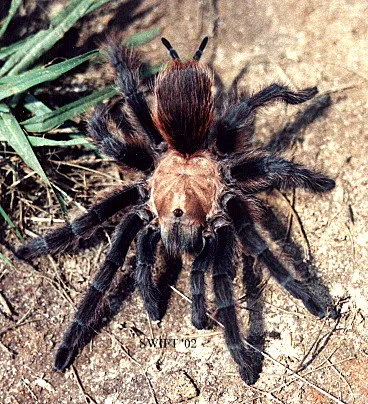
Conservation efforts are essential for safeguarding the largest tarantula species. These efforts include habitat protection, where protected areas and national parks are established to preserve the natural habitats of these spiders. Anti-poaching measures and regulations help to curb the illegal collection and trade of tarantulas. Public education is also a crucial component, raising awareness about these spiders, their importance, and the threats they face. Captive breeding programs play a critical role, too, as they help to increase populations and provide a sustainable source of tarantulas for the pet trade, reducing the pressure on wild populations. Conservation efforts are essential to the continued survival of these animals.