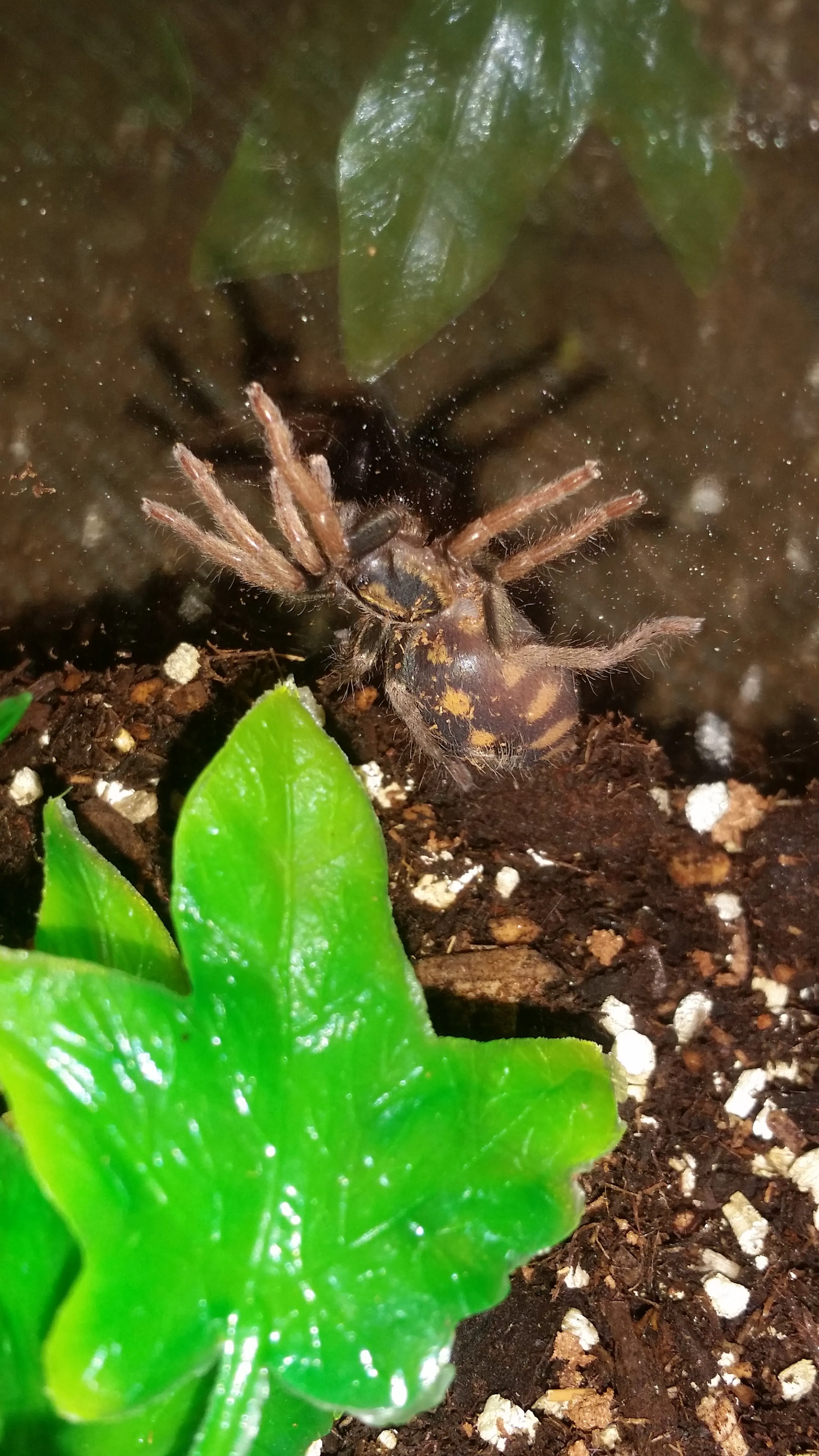
Understanding the Lemon Patch Tarantula (Overview)
The Lemon Patch Tarantula, scientifically known as Aphonopelma seemanni, is a captivating species that has gained popularity among tarantula enthusiasts. Native to the dry forests of Central America, this terrestrial spider is known for its striking appearance and relatively docile temperament, making it a rewarding pet for both novice and experienced keepers. This comprehensive guide provides essential information on Lemon Patch Tarantula care, ensuring a healthy and fulfilling life for your arachnid companion. Understanding their specific needs, from habitat setup to dietary requirements, is crucial for their well-being. Proper care not only extends their lifespan but also allows you to appreciate the unique behaviors and beauty of these fascinating creatures. This guide will help you every step of the way.
Appearance and Characteristics
The Lemon Patch Tarantula is named for the distinctive yellow patches that adorn its carapace, contrasting beautifully with its darker body. The overall coloration can vary, but the yellow markings are a defining feature. They typically have a leg span ranging from 4 to 6 inches, with females generally being larger than males. Their bodies are covered in dense, fine hairs, which provide sensory information and help with their defense mechanism of flicking urticating hairs if threatened. These spiders are robust and well-built, designed for a life of terrestrial hunting. Their appearance is not only visually appealing but also a key indicator of their overall health and well-being, so observing these features will help you assess their condition.
Behavior and Temperament
Lemon Patch Tarantulas are generally considered to be relatively docile compared to some other tarantula species. They are not prone to biting unless provoked, and their defensive behaviors often involve raising their front legs in a threat posture or flicking urticating hairs. However, it’s essential to remember that each tarantula has its unique personality. Some individuals might be more skittish, while others may be more tolerant of handling. Observing your tarantula’s behavior is crucial for understanding its temperament and respecting its boundaries. They are primarily nocturnal hunters, spending most of their day in a burrow or hide. It is very rare to see them during the day, unless they are hungry or something is wrong with their living environment.
Creating the Perfect Lemon Patch Tarantula Habitat
Creating a suitable habitat is paramount to the health and happiness of your Lemon Patch Tarantula. The enclosure should mimic their natural environment, providing appropriate space, substrate, temperature, and humidity levels. A well-designed habitat not only ensures their physical well-being but also allows them to exhibit their natural behaviors, such as burrowing and hunting. Properly setting up the habitat involves several key elements, including the right enclosure size, substrate, temperature, and humidity. A comfortable habitat makes them feel safe and healthy, allowing them to thrive. This ensures the tarantula’s overall well-being.
Choosing the Right Enclosure
The enclosure size should be appropriate for the tarantula’s size, allowing ample space for movement and burrowing. A good rule of thumb is to provide an enclosure that is at least three times the tarantula’s leg span in length and width, and at least twice the leg span in height. For juveniles, a smaller enclosure can be used initially, with an upgrade as they grow. The enclosure should have a secure lid to prevent escapes and adequate ventilation to maintain airflow and prevent the buildup of excessive humidity. Glass or acrylic enclosures are the most commonly used, offering good visibility and ease of cleaning.
Substrate Selection
The substrate should be several inches deep to allow the tarantula to burrow. A mixture of substrate can be used, but it’s important to ensure it provides the right levels of humidity. Good substrate options include a mix of coconut fiber, peat moss, and a bit of vermiculite or sphagnum moss to retain moisture. Avoid using substrates that are toxic or could potentially harm the tarantula. Clean the substrate regularly to maintain cleanliness and prevent the growth of mold or bacteria. Proper substrate conditions not only enhance the aesthetic appeal of the enclosure but also play a vital role in the tarantula’s overall well-being.
Humidity and Temperature Control
Lemon Patch Tarantulas thrive in moderate humidity levels, typically around 60-70%. You can monitor humidity using a hygrometer. To maintain humidity, mist the enclosure lightly with dechlorinated water a few times a week, or as needed. Make sure not to over-saturate the substrate. The ideal temperature range is between 75-85°F (24-29°C). You can use a heat mat on the side of the enclosure to maintain temperature. Avoid placing the heat source directly under the enclosure, as this can cause the substrate to dry out too quickly. Proper temperature and humidity levels are key to their survival. These factors are crucial for their molting process.
Essential Equipment
Besides the enclosure, substrate, and temperature/humidity controls, several other items are essential for creating a comfortable and safe habitat. Provide a shallow water dish filled with fresh, clean water at all times. This is crucial for hydration. Include a hide, such as a piece of cork bark or a half-log, to provide a secure place for the tarantula to retreat. Add a few artificial or live plants for decoration and to help maintain humidity. Ensure that all equipment is clean and non-toxic to prevent any harm to your tarantula. Regular cleaning and maintenance of your equipment and enclosure will contribute greatly to your tarantula’s well-being.
Feeding Your Lemon Patch Tarantula

Feeding your Lemon Patch Tarantula the right diet is critical for their growth, development, and overall health. They are primarily insectivores, so their diet should consist mainly of insects. The type, size, and frequency of feeding depend on the tarantula’s age and size. It is important to offer a varied diet and ensure that the food is free of pesticides or harmful chemicals. The tarantula’s appetite can be a good indicator of its health, so always observe its eating habits. A well-fed tarantula is a healthy tarantula.
What to Feed Your Tarantula
Suitable food items include crickets, mealworms, roaches, and other commercially available feeder insects. Variety is important, so try to offer a range of insect types to ensure a balanced diet. Avoid feeding wild-caught insects, as they may carry parasites or pesticides. You can also dust the insects with a calcium and vitamin supplement to ensure your tarantula gets all the necessary nutrients. Always ensure the feeder insects are no larger than the tarantula’s body, to avoid any risk of injury. Removing uneaten food within 24 hours helps to maintain a clean environment.
Feeding Frequency and Amount
Feeding frequency depends on the age and size of the tarantula. Spiderlings and juveniles should be fed more frequently, typically 2-3 times a week. Adults can be fed less often, usually once a week or every other week. Observe your tarantula’s abdomen; if it appears plump, it’s well-fed. If the abdomen is significantly shrunken, it may need more food. The amount of food should be appropriate for the tarantula’s size, but generally, one to two appropriately sized insects per feeding is sufficient. The tarantula may refuse food when it is approaching a molt, which is normal. Never force feed your tarantula.
Watering and Hydration

Clean, fresh water is essential for your Lemon Patch Tarantula’s hydration. Provide a shallow water dish that is easily accessible. Make sure the water dish is not too deep to prevent the tarantula from drowning. Replace the water regularly to prevent bacteria growth. Some tarantulas drink directly from the water dish, while others may get their moisture from the food. Lightly misting the enclosure a few times a week can also help maintain humidity and provide additional water sources. Ensure the enclosure is not constantly wet, as this can lead to health issues.
Handling and Interaction Guidelines
While Lemon Patch Tarantulas are generally docile, handling them should be approached with caution and respect. Handling is not always necessary and can be stressful for the tarantula. When handling is necessary, it’s crucial to prioritize the tarantula’s safety and well-being. Understanding their behaviors and recognizing any signs of stress is very important. Handling should be kept to a minimum, and only when necessary. Handling a tarantula is at your own risk, and you should only do so if you are comfortable with the possibility of being bitten or encountering urticating hairs.
Safe Handling Practices
If you choose to handle your tarantula, do so in a secure, enclosed space, such as a bed or a table covered with soft material, to prevent escapes and falls. Gently coax the tarantula onto your hand using a soft brush or by allowing it to walk onto your open palm. Always support the tarantula’s body, and avoid sudden movements. Wash your hands thoroughly before and after handling to remove any potential contaminants and to avoid transferring any scents that might stress the tarantula. Be gentle and patient, and never try to force the tarantula to do anything it doesn’t want to. Handle your pet spider with the utmost care and avoid any actions that may harm it.
Recognizing Stress Signals

It is important to recognize signs of stress in your Lemon Patch Tarantula. A stressed tarantula may flick urticating hairs, raise its front legs in a defensive posture, or try to escape. If your tarantula exhibits these behaviors, it is best to leave it alone and avoid handling. Other signs of stress include loss of appetite, lethargy, and a change in behavior. If you notice any of these signs, re-evaluate your tarantula’s environment and ensure that all its needs are met. Always respect the tarantula’s space and avoid handling it when it is displaying signs of stress or discomfort.
Common Health Issues and Prevention
Keeping your Lemon Patch Tarantula healthy involves preventing common health issues and promptly addressing any problems that may arise. Regular observation, a clean environment, and proper care are the keys to maintaining a healthy tarantula. Most health issues can be avoided by adhering to proper care guidelines. A well-cared-for tarantula is less likely to develop health issues. Early detection and treatment are critical for a positive outcome. It’s very important to be attentive to your tarantula and promptly address any potential problems.
Identifying and Treating Common Ailments
Some common health issues include mites, fungal infections, and injuries. Mites are tiny parasites that can infest tarantulas, often found on the legs or abdomen. They can be treated with mite treatments specifically designed for tarantulas, after removing the tarantula from its enclosure. Fungal infections can occur if the enclosure is too humid or unsanitary. To treat this, maintain proper humidity levels, ensure good ventilation, and remove any moldy substrate. Injuries can occur from falls or during molting. Provide a safe environment, and ensure the tarantula has adequate space to molt. If you notice any health problems, consult with a veterinarian who specializes in exotic pets for advice and treatment.
Maintaining a Healthy Environment
Maintaining a healthy environment involves regular cleaning, proper ventilation, and appropriate temperature and humidity levels. Remove uneaten food, old molts, and any waste products from the enclosure to prevent the buildup of bacteria and fungi. Clean the enclosure regularly, typically every few weeks, and replace the substrate as needed. Make sure that the enclosure has good ventilation to prevent the buildup of excessive humidity. Monitor temperature and humidity levels with a thermometer and hygrometer, respectively. By diligently maintaining the environment, you are actively contributing to your tarantula’s health and longevity.
Molting Process and What to Expect
Molting is a natural and essential process for Lemon Patch Tarantulas, allowing them to grow and replace old exoskeletons. Understanding the molting process and what to expect is crucial for the tarantula’s care. During molting, the tarantula sheds its outer layer, revealing a new, larger exoskeleton. The frequency of molting depends on the tarantula’s age. Spiderlings molt more frequently than adults. Molting can be a vulnerable time for the tarantula, so providing a safe and stress-free environment is critical. Recognizing the signs of an impending molt will help you provide the best possible care during this important stage.
Preparing for Molting
Signs of an impending molt include lethargy, loss of appetite, and a change in color. The tarantula may also stop eating and spend more time hiding. Before molting, the tarantula may create a web mat or turn onto its back. Ensure the enclosure is free of any hazards, such as sharp objects. Avoid disturbing the tarantula during the molting process. Provide adequate humidity, as this helps the tarantula shed its old exoskeleton. The tarantula should have a quiet, undisturbed environment during this time. It can take a few hours to a day or two for the process.
Post-Molting Care
After molting, the tarantula will have a new, soft exoskeleton. Do not feed the tarantula for at least a week after molting to allow the new exoskeleton to harden. Provide plenty of fresh water. The tarantula may appear brighter in color after molting. Avoid handling the tarantula immediately after molting, as it is very vulnerable. Observe the tarantula for any signs of stress or injury. Once the exoskeleton has hardened, the tarantula will resume its normal activities and feeding behavior. Proper care during and after molting ensures the tarantula’s safety and successful growth. After a successful molt, you can expect your tarantula to look even more vibrant and healthy.