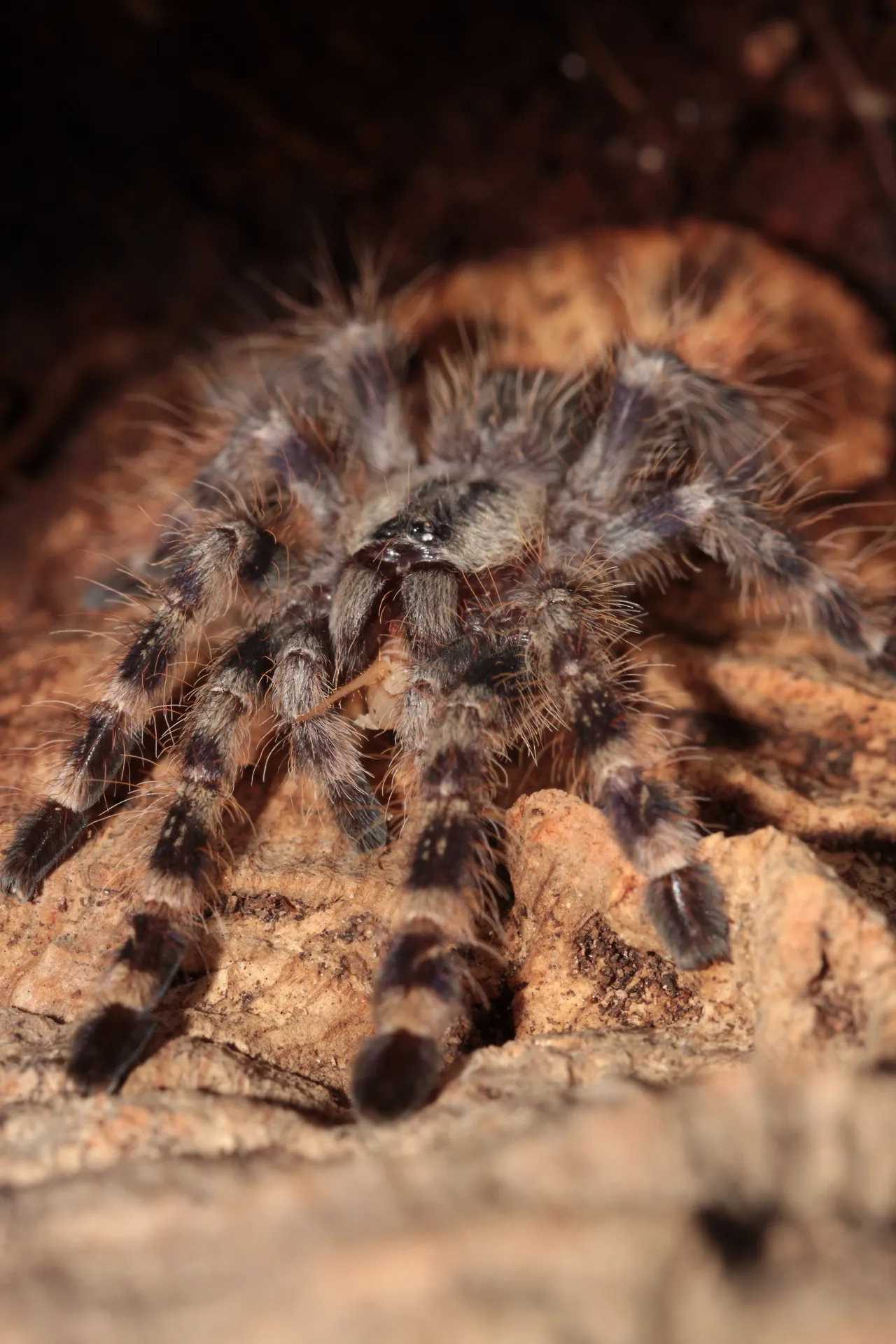
What is the Average Lifespan of a Poecilotheria Tarantula?
Poecilotheria tarantulas, also known as tiger spiders, are fascinating creatures admired for their striking patterns and impressive size. When considering bringing one of these exotic pets into your home, understanding their lifespan is crucial for responsible pet ownership. The lifespan of a Poecilotheria tarantula can vary, but generally, these spiders have a considerable life expectancy compared to many other invertebrates. Several factors influence how long they live, but understanding these will help you prepare for the long-term commitment of owning one of these beautiful arachnids.
Factors Influencing Poecilotheria Tarantula Lifespan
Several key factors significantly influence the lifespan of a Poecilotheria tarantula. These factors range from the spider’s gender to its living conditions and diet. Providing the optimal environment can dramatically increase their longevity, ensuring they live out their full potential. This section will cover some of the most important factors that influence a Poecilotheria tarantula’s lifespan.
Gender Differences in Lifespan

One of the most significant determinants of a Poecilotheria tarantula’s lifespan is its gender. Males and females have vastly different life expectancies, which is a key consideration for any prospective owner. Understanding the distinction between male and female lifespans is vital when planning for the long-term care of these spiders.
Male Poecilotheria Tarantula Lifespan
Male Poecilotheria tarantulas generally have a shorter lifespan compared to females. After reaching maturity, which can take a few years, male spiders typically live for another few months to a year. This shorter lifespan is primarily due to their mating behavior. After mating, males often lose their appetite and may become more vulnerable, leading to a shorter life.
Male Poecilotheria tarantulas, after their final molt, focus heavily on finding a mate. This intense focus leaves them with less energy for activities such as feeding and self-preservation. The average lifespan for a male Poecilotheria tarantula is usually between 6 months and 1.5 years after reaching maturity.
Female Poecilotheria Tarantula Lifespan
Female Poecilotheria tarantulas have a much longer lifespan compared to their male counterparts. Females can live for many years, often ranging from 10 to 15 years, or even longer in some cases. This extended lifespan makes female Poecilotheria tarantulas a more significant, long-term commitment for pet owners. The ability of the female to continue moulting, growing, and reproducing throughout most of their life contributes to their longevity.
The female’s longer lifespan is attributed to their biological role in reproduction, where their bodies are built to continue producing and laying eggs throughout their adult life. Maintaining optimal conditions, including proper diet, environment, and health care, can help maximize a female Poecilotheria tarantula’s lifespan.
Environmental Factors and Lifespan

The environment in which a Poecilotheria tarantula lives significantly impacts its lifespan. Replicating their natural habitat as closely as possible is essential for their health and longevity. Key environmental factors include temperature, humidity, and enclosure setup, all of which play vital roles in their well-being.
Temperature and Humidity
Poecilotheria tarantulas thrive in a specific temperature and humidity range, which is critical for their overall health. The ideal temperature for these spiders generally ranges from 75 to 85 degrees Fahrenheit (24 to 29 degrees Celsius). Maintaining a stable temperature is crucial for their metabolism, moulting, and overall activity levels. Fluctuations in temperature can stress the tarantula and potentially shorten its lifespan.
Humidity levels also play a vital role. Poecilotheria tarantulas typically require a humidity level between 60% and 70%, especially in the enclosure. Insufficient humidity can lead to moulting problems, while excessive humidity can cause mold growth and other health issues. Regular monitoring and adjustment of these environmental factors are critical to ensure the tarantula’s well-being. Use a hygrometer to monitor the humidity.
Enclosure Size and Setup
The enclosure setup is crucial for the physical and psychological well-being of a Poecilotheria tarantula. The enclosure should be appropriately sized to allow the spider to move and behave naturally. A well-designed enclosure offers adequate space and appropriate substrates and hiding places. A cramped enclosure can stress the tarantula, leading to decreased activity and potential health problems.
A good enclosure setup includes a secure lid, proper ventilation, a substrate that retains moisture, and decorations such as cork bark or artificial plants for hiding. The enclosure setup plays a vital role in providing security and minimizing stress. A proper setup mimics their natural environment and helps support their long-term health and longevity. Provide a hide, such as a piece of cork bark, as a place to retreat and feel secure.
Diet and Nutrition for Longevity

A balanced diet and proper nutrition are essential for the longevity of a Poecilotheria tarantula. Like any pet, their diet directly impacts their health, moulting frequency, and overall lifespan. Providing a diet that meets their nutritional needs is crucial to ensure they live a long and healthy life. This requires feeding them the right food, the appropriate frequency, and ensuring access to fresh water.
Feeding Frequency
The feeding frequency for Poecilotheria tarantulas depends on their age and size. Spiderlings and juveniles require more frequent feeding than adult tarantulas. Generally, spiderlings should be fed every 3 to 7 days, while adults can be fed every 7 to 14 days. Adjust the feeding frequency based on the spider’s body condition; a well-fed tarantula will have a plump abdomen.
Overfeeding can lead to excessive growth and potential health issues, so it’s essential to monitor the tarantula’s body condition. Underfeeding, on the other hand, can cause delayed growth and potential health problems. Regularly check the size of the abdomen and the overall health of your Poecilotheria tarantula to ensure it receives the right amount of food.
Types of Food
Poecilotheria tarantulas are primarily insectivores, and their diet should consist of a variety of insects to meet their nutritional needs. Suitable food items include crickets, roaches, mealworms, and other commercially available insects. The size of the prey should be appropriate for the tarantula’s size; it should not be too large or too small. Variety in the diet is also important to ensure they receive a range of nutrients.
Avoid feeding wild-caught insects, as they may carry parasites or pesticides that can be harmful to your tarantula. Always provide fresh water in a shallow dish, ensuring it’s readily available. A varied, high-quality diet is crucial for a long and healthy life, with the correct nutrition that directly affects the overall lifespan of the Poecilotheria tarantula.
Common Health Issues and Their Impact

Poecilotheria tarantulas, like all living creatures, can be susceptible to various health issues that can impact their lifespan. Recognizing the signs of common health problems and addressing them promptly is crucial for maintaining their health and well-being. Knowing the common health concerns allows you to take measures to safeguard your pet and contribute to their longevity.
Parasites and Diseases
Parasites and diseases can significantly affect a Poecilotheria tarantula’s health and lifespan. While these spiders are relatively hardy, they are still vulnerable to various ailments. Mites and other parasites can infest the spider, causing irritation, stress, and potentially secondary infections. Early detection and treatment are vital to prevent these issues from escalating.
Maintaining a clean enclosure is essential to prevent these parasites from becoming an issue. Quarantine new tarantulas before introducing them to the collection. Common diseases, while not as prevalent, can be caused by poor environmental conditions or inadequate hygiene. Regularly inspect your tarantula for any signs of illness and consult a veterinarian experienced with invertebrates when necessary.
Moulting Problems
Moulting is a natural process for tarantulas, but problems during the moult can be detrimental. Issues such as dehydration or inadequate humidity can make moulting difficult or even fatal. If a tarantula struggles to shed its exoskeleton, it can get stuck, which can lead to injuries and infections. Ensuring the correct environmental conditions is the key to promoting a successful moult.
Provide a stable environment with adequate humidity. If you notice any problems, gently assist the tarantula if necessary, but always do so carefully to avoid causing injury. Monitor your tarantula closely during moulting, as this is often a vulnerable time. Understanding and addressing moulting problems can significantly impact their health and longevity.
Tips for Maximizing Lifespan

Providing the best possible care is the key to maximizing a Poecilotheria tarantula’s lifespan. Several practices can improve their health and ensure they live as long and healthy a life as possible. Implementing these tips will contribute to the well-being of your pet and help you enjoy your companion for years.
Proper Husbandry Practices
Proper husbandry is the cornerstone of a long and healthy life for your Poecilotheria tarantula. This includes providing the correct environment, a balanced diet, and regular monitoring. Maintain the appropriate temperature and humidity levels, ensuring the enclosure is clean and well-ventilated. Provide a varied diet with appropriate prey items, and always offer fresh, clean water.
Handle your tarantula as little as possible, as stress can shorten its lifespan. Thorough research is essential before getting a Poecilotheria tarantula. Familiarize yourself with their specific needs and behaviors. Proper husbandry is critical to meet their needs and provide them with a suitable environment, which directly impacts their lifespan.
Regular Health Checks
Regular health checks are essential for identifying and addressing potential health issues early on. Regularly inspect your tarantula for any signs of illness, such as changes in behavior, appetite, or appearance. Look for parasites, abnormal swelling, or difficulty moving. Observe the spider during feeding and moulting to ensure everything is normal. If you notice any concerning signs, seek advice from a veterinarian with experience in invertebrates.
These regular check-ups can prevent small issues from becoming significant problems. By being proactive and vigilant, you can catch health issues early, leading to quicker interventions and a better chance of a long and healthy life for your pet. Early detection and treatment are often key to a positive outcome.
Understanding the Molting Process

Understanding the moulting process is essential for ensuring the well-being of your Poecilotheria tarantula. Moulting is when the tarantula sheds its exoskeleton to grow. The tarantula will often stop eating and may appear lethargic before moulting. Provide a secure and undisturbed environment during this time, as they are particularly vulnerable.
Avoid handling or disturbing the tarantula during moulting. After the moult, the tarantula’s new exoskeleton will be soft, so allow some time for it to harden before feeding them. Recognizing the signs and understanding the process will help you provide the best possible care and ensure a smooth and successful moult, which is critical for their overall health and lifespan.
Conclusion
Understanding the Poecilotheria tarantula lifespan is crucial for prospective owners. By providing optimal environmental conditions, a balanced diet, and regular health checks, you can significantly impact their longevity. Remember that males have a shorter lifespan than females, so be prepared for that difference. Providing a suitable environment, understanding their needs, and taking preventative measures ensures your tarantula lives a long and healthy life. Responsible ownership, informed care, and proactive health monitoring are all essential to maximizing your Poecilotheria tarantula’s lifespan and enjoying the unique experience of owning one of these fascinating creatures.