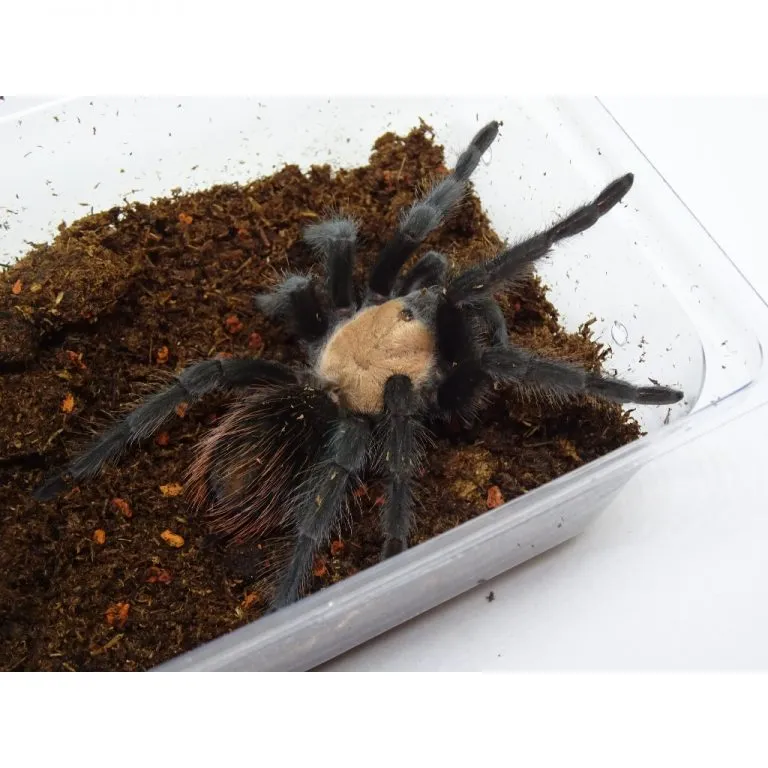
What is an M Robustum Tarantula
The M robustum tarantula, often referred to as the Texas tan tarantula, is a fascinating arachnid species native to the United States. Known for its relatively large size and striking appearance, this tarantula has captured the attention of both enthusiasts and researchers alike. Belonging to the Theraphosidae family, the M robustum is a terrestrial spider, meaning it spends most of its time on the ground. These spiders play an important role in their ecosystem, helping to control insect populations. Their presence often indicates a healthy environment, though their intimidating appearance can sometimes lead to unnecessary fear. They are popular in the pet trade, but potential owners must be well-informed to provide appropriate care. Understanding the biology and behavior of the M robustum is crucial for appreciating this captivating creature and ensuring its continued survival in the wild.
Appearance and Identification
Identifying an M robustum tarantula involves paying close attention to several key physical characteristics. These spiders can be readily distinguished from other tarantula species through careful observation of their size, coloration, and specific features. Being able to accurately identify an M robustum is important not only for scientific purposes but also for responsible pet ownership and conservation efforts. By familiarizing yourself with the distinguishing traits of this species, you can better appreciate the unique qualities that make it stand out in the vast world of tarantulas. Detailed knowledge of these characteristics contributes to a deeper understanding of the spider’s role within its ecosystem and helps avoid misconceptions.
Coloration and Size

The M robustum tarantula exhibits a range of colors, primarily shades of brown, tan, and sometimes reddish hues. The specific coloration can vary slightly depending on the individual spider and its environment, but generally, the carapace (the top of the cephalothorax) is darker than the abdomen and legs. The size of these tarantulas is also a key identifying factor. Mature females can have a leg span of up to six inches or more, making them relatively large spiders. Males are typically smaller. The overall appearance is robust, with a hairy body and powerful legs, well-suited for both walking and digging. Observing these size and color characteristics is the first step in accurately identifying the M robustum tarantula, distinguishing it from other species and confirming its presence in a particular area.
Distinguishing Features
In addition to color and size, there are several other distinguishing features that help to identify the M robustum tarantula. The presence and pattern of hairs on the legs and body are important, as well as the shape and size of the spinnerets (the structures that produce silk). Examining the chelicerae (the mouthparts) can also provide clues; these are often a darker color in the M robustum. Furthermore, the overall body shape is significant. The Texas tan tarantula is known for its relatively thick legs and robust build, setting it apart from more slender tarantula species. Careful observation of these features allows for a more precise identification, confirming whether a spider is indeed an M robustum and therefore aiding in scientific research, responsible pet ownership, and effective conservation strategies.
Habitat and Distribution
The M robustum tarantula’s habitat and distribution are crucial aspects of its life, impacting its behavior, survival, and overall role within its ecosystem. Understanding where these spiders live and the conditions they thrive in provides valuable insights into their needs and how they are affected by environmental changes. It is important for conservationists and pet owners alike to appreciate the natural environment of the M robustum, as this knowledge is the basis for ensuring their continued wellbeing.
Natural Habitat

The M robustum tarantula primarily inhabits dry, open areas such as grasslands, prairies, and scrublands. They are well-adapted to these environments, often utilizing burrows that they dig themselves or modify from existing ones. These burrows serve as protection from the elements, predators, and a place for them to ambush prey. The spiders prefer areas with well-drained soil, where they can maintain their burrows and effectively hunt. The availability of suitable habitat is critical for their survival, and any changes in the environment can have a significant impact on their population numbers. Preserving their natural habitat is, therefore, essential for conservation efforts aimed at protecting the M robustum tarantula.
Geographic Range
The geographic range of the M robustum tarantula primarily encompasses the southwestern United States, with its distribution centering in Texas. They are found in various parts of the state, with populations extending into neighboring states, such as Oklahoma, Arkansas, and Louisiana. The exact boundaries of their range can fluctuate depending on environmental conditions and the availability of suitable habitat. Mapping and monitoring the range of the M robustum are vital for understanding population trends and identifying areas where conservation efforts are most needed. Climate change and habitat destruction pose significant threats to these populations, making it essential to study their distribution and implement strategies to protect their territories.
Diet and Feeding Habits
The diet and feeding habits of the M robustum tarantula are essential to its survival and play a vital role in the food web of its ecosystem. As a predator, this spider actively hunts and consumes a variety of insects and other small invertebrates. The spider’s ability to capture and digest prey is crucial for its growth, reproduction, and overall health. Understanding these feeding behaviors provides valuable insights into the spider’s ecological niche and the factors that impact its survival.
What They Eat
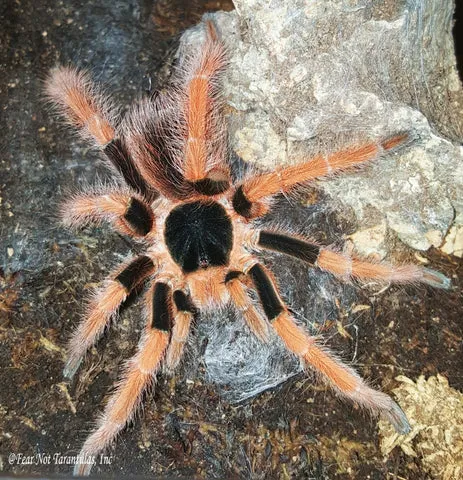
The M robustum tarantula primarily feeds on insects and other arthropods. Common prey items include crickets, grasshoppers, beetles, and other invertebrates that inhabit the same environment. Opportunistic in its hunting style, it will also consume small lizards or mice if the opportunity presents itself. The spider uses its fangs to inject venom, paralyzing the prey before using enzymes to break down the tissues for easier consumption. The size of the prey often depends on the size of the spider, with larger tarantulas capable of tackling larger meals. This varied diet ensures that the M robustum obtains the necessary nutrients for its survival and growth.
Feeding Frequency
The feeding frequency of the M robustum tarantula can vary depending on its age, size, and overall health. Young tarantulas tend to eat more frequently as they are growing rapidly, while mature adults may eat less often. Generally, these spiders are fed once or twice a week, but this may vary depending on the amount of food provided and the spider’s appetite. When kept in captivity, it is important not to overfeed them, as this can lead to health problems. The feeding frequency should be adjusted based on observation of the spider’s body condition, ensuring they remain healthy without becoming obese. Monitoring their feeding habits is crucial for pet owners and researchers alike.
Behavior and Temperament
The behavior and temperament of the M robustum tarantula is essential to understanding how they interact with their environment and other species. Observing their defensive mechanisms, typical behaviors, and general disposition can provide valuable insights into their lifestyle and their place within the ecosystem. Understanding these characteristics is especially important for those keeping them as pets, as it influences how they are handled and managed.
Defensive Mechanisms

The M robustum tarantula, like many tarantulas, employs several defensive mechanisms to protect itself from threats. One of the primary defenses is the use of urticating hairs, which are tiny barbed hairs on their abdomen. When threatened, the spider flicks these hairs towards the perceived danger, causing skin irritation and discomfort. They also possess potent venom that can cause localized pain and other symptoms in humans, although it is rarely life-threatening. Additionally, they may exhibit a threat pose, raising their front legs and displaying their fangs as a warning. Recognizing these defensive behaviors is crucial for avoiding bites and ensuring the safety of the spider and anyone handling it.
Typical Behavior
The typical behavior of the M robustum tarantula is generally characterized by its terrestrial lifestyle and nocturnal habits. They spend much of the day in their burrows, emerging at night to hunt for prey. These spiders are not typically aggressive, but they will defend themselves if they feel threatened. They are relatively slow-moving and deliberate, preferring to ambush their prey rather than actively chase it. They also exhibit behaviors associated with mating, such as drumming on the ground to attract a mate. These behaviors are important for understanding their needs, providing adequate care in captivity, and appreciating their role in the natural world.
Conservation Status and Threats
Understanding the conservation status and the threats facing the M robustum tarantula is critical for ensuring its survival. Recognizing these challenges enables the development and implementation of protective measures and preservation strategies. It’s essential to actively work to safeguard this species and its natural habitat, allowing the species to thrive for generations.
Conservation Status

The M robustum tarantula is not currently listed as endangered or threatened at a federal level. However, due to habitat loss and the impacts of the pet trade, local populations may face challenges. Monitoring populations and assessing their status is necessary to ensure that appropriate actions are taken to protect the species. Conservation efforts often involve protecting their natural habitat, educating the public, and promoting responsible practices within the pet trade. Continued research and proactive conservation strategies are vital to safeguard the long-term survival of the M robustum tarantula.
Threats to Survival
The M robustum tarantula faces several threats that can impact its survival. Habitat loss due to urbanization, agriculture, and other forms of development is a significant concern, reducing the availability of suitable environments. The pet trade can also pose a threat if wild populations are over-collected, or if responsible care practices are not followed. Climate change poses additional risks, potentially altering their habitat and impacting their prey. Promoting habitat preservation, regulating the pet trade, and mitigating the effects of climate change are key to protecting this species. Through awareness, research, and proactive conservation, we can improve the chances of M robustum tarantulas thriving in the future.