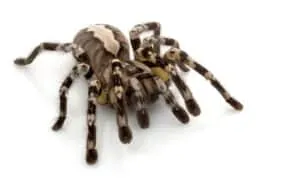
Understanding the Striped Knee Tarantula (S. calceatum)
The Striped Knee Tarantula (S. calceatum) is a popular pet tarantula, admired for its striking appearance and relatively docile temperament. Native to Central and South America, these spiders are known for their distinctive striped pattern on their knees, a feature that gives them their common name. However, when acquiring a Striped Knee Tarantula, one of the first questions is often, “How do I tell if it’s male or female?” Understanding the differences between male and female Striped Knee Tarantulas is essential for providing proper care, predicting lifespan, and potentially breeding them. This guide delves into the key distinctions, helping you identify the sex of your tarantula with greater accuracy.
Size and Body Structure
Size is often a primary indicator when sexing Striped Knee Tarantulas, although it’s not always definitive, especially in younger specimens. Generally, females tend to be larger and more robust than males. This is because females need to be able to carry eggs, leading to a different body structure over time. The difference in size is more apparent as the tarantulas mature. However, it’s crucial to remember that individual variation exists, and environmental factors like feeding can also impact size. Therefore, while size provides a clue, it should be considered alongside other characteristics for more accurate sex determination.
Male Tarantulas

Male Striped Knee Tarantulas are typically smaller than females. They have a more slender build, which is optimized for their primary task, which is to locate a mate. Mature males are also equipped with modified pedipalps, which are used for mating, that can provide an additional clue. Overall, their build contributes to their agility and mobility as they search for a female to mate with.
Female Tarantulas
Female Striped Knee Tarantulas are generally larger and have a more substantial build to accommodate egg production. Their body structure is designed for reproduction, allowing them to carry and protect egg sacs. As they mature, females can become considerably larger than males, making size a useful indicator, though it should be considered in conjunction with other factors for accurate sex determination.
Comparing Male and Female Sizes
The size difference between male and female Striped Knee Tarantulas becomes more pronounced as they mature. While it’s difficult to rely on size alone, especially in younger specimens, the disparity becomes noticeable with age. Adult females often reach a larger leg span than males. Consider the overall body proportions: males tend to have a more streamlined shape, while females present a bulkier build, especially in their abdomen.
Coloration and Markings

While the basic coloration of Striped Knee Tarantulas remains consistent between sexes, subtle differences can sometimes be observed. These differences, though, are usually not as reliable as other methods, such as examining the pedipalps or looking for the presence of a spermatheca. Factors like individual variation and environmental conditions can also impact the color. So, while coloration can provide a clue, it should not be used as the primary sexing method.
Male Tarantula Coloration
Male Striped Knee Tarantulas generally display the same striking striped pattern on their knees, which is a defining characteristic of the species. However, mature males may sometimes show a slightly less vibrant coloration than females. This is because the energy expenditure on reproduction is greater than on maintaining their coloration.
Female Tarantula Coloration
Female Striped Knee Tarantulas often maintain a more vibrant and consistent coloration throughout their lives. The stripes on their knees and the overall body coloration are typically more pronounced compared to males. However, it’s important to remember that individual variations exist. Factors like diet and environmental conditions can also influence color intensity. Despite these variations, females often exhibit the species’ typical coloration.
Comparing Coloration

When comparing coloration, focus on the overall intensity and vibrancy. Females tend to retain a more consistent and vibrant coloration than males, especially as they mature. Male coloration may sometimes fade slightly. It’s essential to compare individuals under similar lighting conditions and consider the general health and molting cycle of the tarantula. Coloration alone should never be the only determining factor.
The Process of Molting
Molting is a crucial process in a tarantula’s life, as it sheds its exoskeleton to grow. The molt provides a unique opportunity to determine the sex of the tarantula. This is because the shed exoskeleton, called the exuvia, retains the necessary features to identify the sex. Sexing tarantulas through molts is the most accurate method for determining the sex of Striped Knee Tarantulas.
Molting in Male Striped Knee Tarantulas
During a molt, a mature male Striped Knee Tarantula will shed its old exoskeleton, revealing modified pedipalps. The pedipalps will have a distinct shape that is designed to insert sperm into the female during mating. Looking closely at the exuvia after a molt can reveal these distinct features, making it easier to confirm the sex. Careful examination is required to identify these features without damaging the delicate exuvia.
Molting in Female Striped Knee Tarantulas

Female Striped Knee Tarantulas also provide valuable clues after molting. The presence of a spermatheca, a receptacle for storing sperm, is visible on the exuvia. This is an incredibly reliable indicator of the female sex. The spermatheca can vary in shape depending on the species, but its presence on the molt is a definitive sign. Observing the exuvia carefully after a molt will provide the most accurate way to identify the sex of a Striped Knee Tarantula.
Comparing Molting Patterns
The key differences in molting patterns are the modified pedipalps in males and the presence of a spermatheca in females. Examine the exuvia under good lighting conditions and consider using a magnifying glass for a closer look. Understanding the specific features to look for ensures accurate sex determination. Compare the shapes of the pedipalps and look for the spermatheca to determine the sex of your Striped Knee Tarantula.
Lifespan Differences
Lifespan is another key difference between male and female Striped Knee Tarantulas. In general, females live significantly longer than males. This is because males have a shorter life cycle due to their role in reproduction, while females invest more energy in egg production and defense, extending their lifespan.
Male Striped Knee Tarantula Lifespan

Male Striped Knee Tarantulas typically have a shorter lifespan than females. They mature faster, and their primary goal is to find a mate and reproduce. After reaching maturity, males often live for only a few months to a year. Their shorter lifespan is due to the energy expenditure during the mating season and their physical wear.
Female Striped Knee Tarantula Lifespan
Female Striped Knee Tarantulas boast a much longer lifespan. They can live for 10 to 20 years, or even longer, under optimal conditions. Their longevity is attributed to their slower maturation rate and energy allocation towards reproduction and survival. The female’s lifespan provides a significant advantage when choosing a pet, as it provides long-term companionship.
Comparing Lifespans
The difference in lifespan is considerable, with females living many times longer than males. This stark contrast is an essential factor to consider if you are planning to acquire a Striped Knee Tarantula. Female tarantulas can be a long-term commitment, and this factor affects various aspects of care and planning. Be mindful of these differences when selecting a tarantula.
Identifying Sex Through Pedipalps and Book Lungs

Examining the pedipalps and book lungs is another accurate way to determine the sex of a Striped Knee Tarantula, especially in mature specimens. These anatomical features present clear indicators of sex. This method is most effective when performed with careful observation and knowledge of tarantula anatomy.
Pedipalps in Male Tarantulas
Mature male Striped Knee Tarantulas have modified pedipalps with a bulbous structure at the tips. These bulbs are used to store and transfer sperm during mating. This structure is a clear indication of sex. The presence of pedipalps is a reliable method, though it’s easier to determine after a molt, where the modifications are most visible. Using a magnifying glass can assist in identifying these features.
Spermatheca in Female Tarantulas
Female Striped Knee Tarantulas have a spermatheca located internally. The spermatheca is a receptacle that stores sperm received during mating. While the spermatheca isn’t directly visible externally, the exuvia left after a molt reveals its presence. Examining the molt is one of the best ways to identify the presence of the spermatheca, confirming the tarantula’s sex.
Comparing Pedipalps and Book Lungs
When identifying sex, compare the features of the pedipalps and the presence of the spermatheca. Male tarantulas will have bulbous pedipalps, while females will show a spermatheca on their exuvia. Careful inspection is crucial. Use a magnifying glass and good lighting to make the features easier to see. These methods will give the most reliable indication of the tarantula’s sex.
Behavioral Characteristics
Behavioral traits can also help differentiate between male and female Striped Knee Tarantulas, especially as they reach maturity. The behaviors are related to their biological roles. While not always definitive, behavioral observations can offer additional clues to sex. It is best to consider the behavior along with other physical characteristics to make an accurate assessment.
Male Striped Knee Tarantula Behavior
Mature male Striped Knee Tarantulas often exhibit specific behaviors, particularly when they are ready to mate. They may become more active, wandering around their enclosure in search of a mate. They may also be more prone to escaping, driven by their instinct to find a female. Such behaviors are common in mature males, signaling their breeding drive.
Female Striped Knee Tarantula Behavior
Female Striped Knee Tarantulas, on the other hand, tend to exhibit more consistent behavior. They remain in their burrows or hide more frequently. Their primary focus is on building a secure environment and potentially caring for eggs. Their behavior is generally less erratic than that of males, especially during mating season.
Comparing Behavioral Traits
Observe the activity levels and overall demeanor of the tarantula. Males often display a greater level of activity as they search for a mate, while females tend to be more sedentary. Monitoring these behaviors will contribute to your overall assessment. Combine these observations with other indicators like size, coloration, and examination of the pedipalps or exuvia to identify the sex of your tarantula.