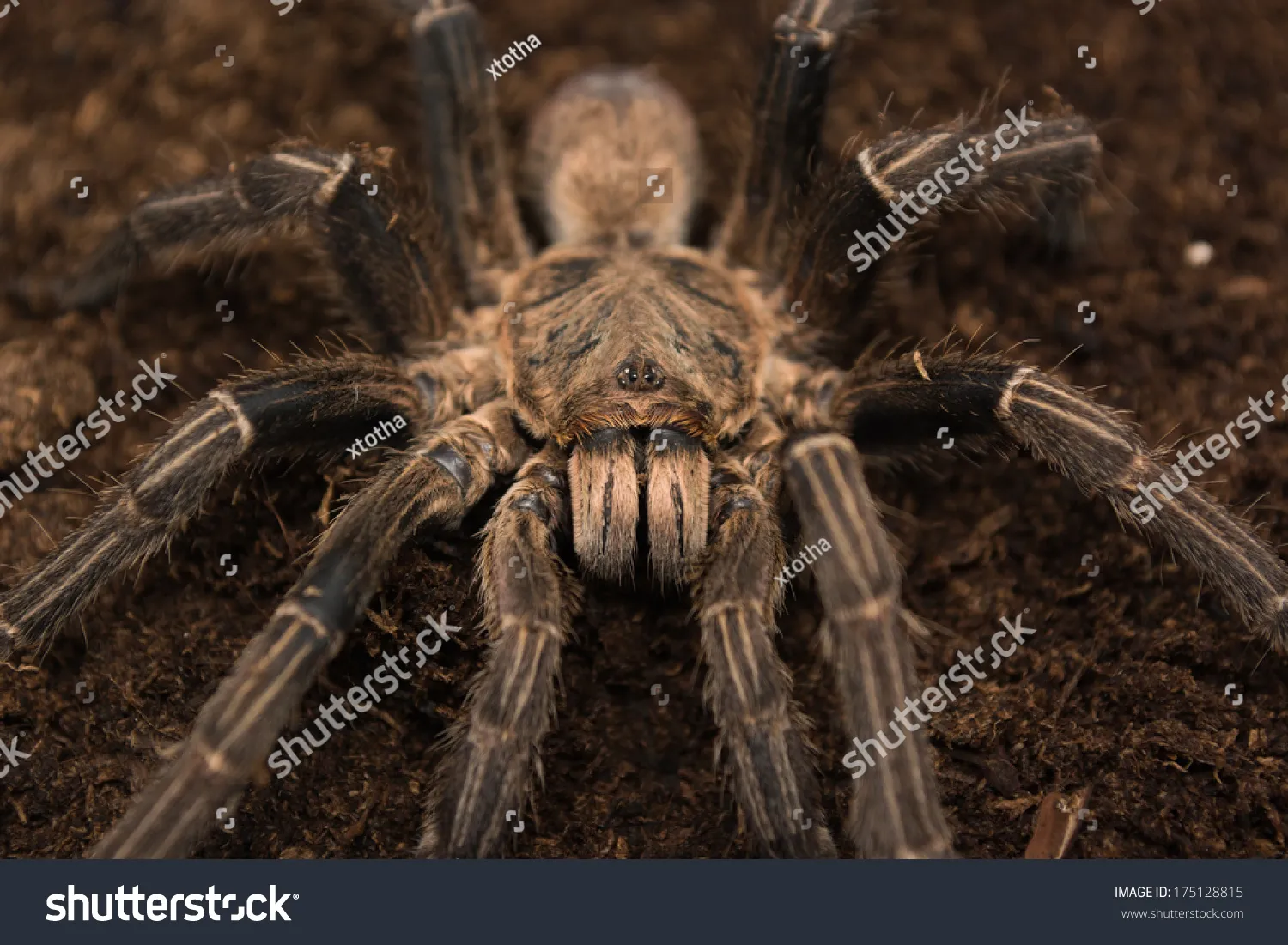
What Defines a Mature Male Tarantula?
The journey of a tarantula from a juvenile to a mature male is marked by significant physical and behavioral changes, signaling its readiness for mating. Recognizing these changes is crucial for tarantula keepers and enthusiasts. The transformation is not just about age; it’s about the biological imperative to reproduce. Mature males, unlike their female counterparts, have a limited lifespan post-maturity. They undergo a final molt, which unveils the characteristics that define their reproductive role. This stage signifies the end of their growing phase and the beginning of their search for a mate, a quest that shapes their behavior and, ultimately, their destiny. Understanding this transition is fundamental to appreciating the life cycle of these fascinating creatures.
Physical Characteristics of a Mature Male
Several telltale signs indicate a tarantula has reached maturity as a male. These physical attributes are key to differentiating a mature male from a female or a juvenile. The changes are primarily associated with reproductive capabilities and the need for mating. These features develop during the final molt and are quite distinct, providing clear indicators of the tarantula’s life stage.
Pedipalps

Perhaps the most noticeable physical change is the development of bulbous pedipalps. The pedipalps, which are small leg-like appendages near the mouth, transform into mating organs. These bulbous structures are used to store sperm and deliver it to the female during mating. Observing this change is a sure sign that the tarantula is ready to mate. The pedipalps become significantly enlarged, appearing almost like boxing gloves.
Legs and Body
Mature male tarantulas also exhibit changes in their legs. They develop tibial hooks on their front legs, which they use to hold the female’s fangs during mating, preventing her from attacking. The hooks are very noticeable, often appearing as small spurs or hooks on the first pair of legs. Additionally, the overall body shape might become slightly elongated, with the abdomen potentially appearing smaller in proportion to the rest of the body due to the energy expenditure during the mating period.
Bulbous Pedipalps
The bulbous pedipalps, a primary characteristic of mature males, are essential for reproduction. These structures are where the tarantula stores its sperm after creating a sperm web. The sperm is then transferred to the female during mating. The appearance of these bulbs is a clear visual cue that a tarantula has reached sexual maturity and is ready to mate.
Function of Bulbous Pedipalps

The bulbous pedipalps serve as the delivery mechanism for sperm. After the male constructs a sperm web, it deposits its sperm onto the web and then sucks it up into the pedipalps. During mating, the male inserts his pedipalps into the female’s epigastric furrow, delivering the sperm. These pedipalps are, therefore, vital for successful reproduction and, ultimately, the continuation of the tarantula species. Their function is singular and critical in the male’s life cycle.
Mating Behavior of Mature Males
Mature male tarantulas display a range of behaviors driven by their reproductive instincts. Their actions are primarily centered around finding a mate, attracting a female, and ensuring successful sperm transfer. These behaviors are usually triggered by the onset of maturity and the associated hormonal changes. Observing these behaviors can provide insights into the tarantula’s life cycle and the challenges it faces in the wild.
The Drumming Ritual
One of the initial courtship behaviors involves drumming. The male will tap his pedipalps or legs against the ground or the female’s burrow. This drumming produces vibrations that signal his presence and intentions to the female. The drumming is a carefully orchestrated series of rhythmic taps, which acts as a mating call, attempting to attract a female tarantula. The drumming is often species-specific, allowing females to identify potential mates.
Sperm Web Creation

Before mating, the male constructs a sperm web, a small web-like structure on which he deposits his sperm. He then collects the sperm into his bulbous pedipalps, preparing himself for mating. The creation of the sperm web is a critical step in the reproductive process, ensuring the sperm is in a suitable location for the male to gather. The sperm web’s construction is a precise process that sets the stage for reproduction.
Mating Process
The mating process involves the male approaching the female cautiously, often drumming to reassure her. If the female is receptive, the male will insert his pedipalps into her epigastric furrow, delivering the sperm. The male uses his tibial hooks to secure the female’s fangs, preventing her from attacking him during the vulnerable moment. The mating process is a delicate dance, with both spiders taking risks to ensure the continuation of their species.
Post-Mating Behavior
After mating, the male typically retreats quickly to avoid being cannibalized by the female. He may or may not attempt to mate with other females. The survival of the male after mating is not guaranteed, as the female may attack him. His focus shifts to finding a safe place to recover. The post-mating behavior is primarily about survival and finding protection.
Lifespan and Survival

The lifespan of a mature male tarantula is significantly shorter than that of a female. They are essentially programmed to mate and die. The energy expended during mating, coupled with their increased vulnerability, leads to a reduced lifespan. Understanding the factors that influence their survival is critical for those who keep tarantulas as pets.
Factors Influencing Lifespan
Several factors affect the lifespan of a mature male tarantula. These include whether they successfully mate, their ability to avoid predation, and the availability of food and shelter. The environment in which they live, whether in captivity or the wild, plays a crucial role in their longevity. Captive environments can offer some protection, potentially extending their life slightly, but their reproductive role still dictates their fate.
Post-Molt Vulnerability
After their final molt, mature males are particularly vulnerable. Their new exoskeleton is soft, making them susceptible to injury. They may also lose their appetite and become less active during this period. This vulnerability is a natural part of their life cycle. The post-molt period is a critical time for males to seek protection and avoid predators. Careful handling during this time is essential for those keeping them in captivity.
Unique Facts About Mature Males
Mature male tarantulas have several unique aspects to their lives, from the specific ways they produce sperm to their wandering behavior. These facts underscore the differences between the sexes and offer insight into the fascinating biology of these creatures. These details contribute to a deeper understanding of tarantula behavior and biology.
Spermatophore Production
Mature males produce spermatophores, which are packages of sperm. They deposit these on a small web and then collect them into their pedipalps for transfer to the female. The formation of spermatophores is a fascinating biological process. It ensures the safe transport of sperm and facilitates the mating process. The efficiency of spermatophore production is essential for the male’s reproductive success.
Male Tarantula’s Wandering
Once mature, male tarantulas often become wanderers. They leave their burrows or previous territories to search for mates. This wandering behavior makes them more vulnerable to predators and environmental hazards, further shortening their lifespan. Their determination to find a mate drives this behavior, often leading them to travel considerable distances.
What to Do With a Mature Male Tarantula?

Caring for a mature male tarantula requires understanding their specific needs and behaviors. The goal is often to either provide them with the best quality of life possible, including the opportunity to mate, or to ensure their well-being in a captive environment. Handling a mature male requires care, as they can be more nervous than females. Appropriate housing and care are vital to their survival and well-being.
Mature male tarantulas are fascinating creatures, showcasing unique physical attributes and behaviors. Their life cycle is a testament to the power of natural selection and the drive to reproduce. Understanding their needs and providing proper care allows for a deeper appreciation of these amazing arachnids. These spiders are a significant part of the ecosystem, and understanding their role is valuable.