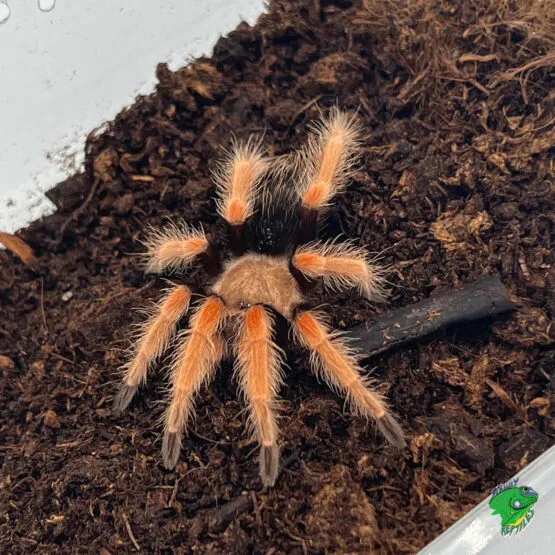
Mexican Fireleg Tarantula Overview
The Mexican Fireleg Tarantula (Brachypelma boehmei) is a striking and popular pet spider, admired for its vibrant orange and black coloration. Native to the Pacific coast of Mexico, these tarantulas are known for their relatively docile temperament, making them a good choice for beginner tarantula keepers. They are slow-growing, long-lived, and relatively easy to care for, provided their specific needs are met. This comprehensive care guide will cover all aspects of owning a Mexican Fireleg Tarantula, from habitat setup and feeding to handling and health concerns, ensuring you can provide a happy and healthy life for your eight-legged friend.
Appearance and Characteristics
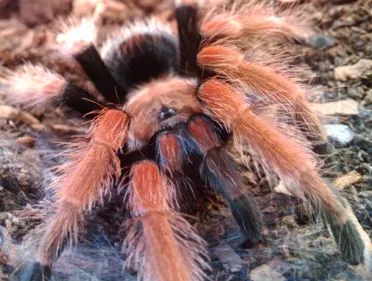
The Mexican Fireleg Tarantula is easily recognizable due to its striking appearance. The body is covered in black hairs, and the legs are adorned with vibrant orange or red markings, resembling flames, hence the name “Fireleg”. They possess a carapace that is typically dark brown or black. The abdomen is covered with urticating hairs, which the tarantula can flick off as a defense mechanism. These hairs cause skin irritation in potential predators and should be handled with care. The overall aesthetic appeal contributes significantly to their popularity in the pet trade, making them a visually stunning addition to any collection.
Size and Lifespan

Mexican Fireleg Tarantulas are a moderately sized tarantula species. Females can reach a leg span of up to 6 inches (15 cm), while males are slightly smaller. Their growth rate is slow, taking several years to reach their full size. These tarantulas are known for their longevity. Females can live for 20-25 years or even longer, while males typically have a shorter lifespan of about 5-7 years after reaching maturity. This long lifespan is a significant factor for those considering owning a Mexican Fireleg, as it represents a long-term commitment to the animal’s care and well-being.
Choosing Your Mexican Fireleg Tarantula
Where to Buy
When acquiring a Mexican Fireleg Tarantula, it’s essential to choose a reputable source. Consider buying from a specialized arachnid breeder, a reputable pet store with experience in exotic animals, or online vendors with positive reviews. Avoid purchasing tarantulas from unreliable sources, as they may be more prone to illness or may not be captive-bred, which is crucial for conservation efforts. Ensure that the seller can provide information about the tarantula’s origin, age, and any relevant care instructions. Inspect the tarantula closely for any signs of illness, such as lethargy, loss of appetite, or physical abnormalities.
Things to Consider Before Buying

Before bringing a Mexican Fireleg Tarantula home, it’s crucial to consider several factors. Firstly, research and understand the tarantula’s specific needs. Ensure you can provide a suitable habitat with appropriate temperature, humidity, and substrate. Consider the long lifespan of the tarantula and the commitment required. Make sure you have adequate space for the enclosure and can provide a consistent food supply (typically insects). Think about the potential for allergies or phobias among household members. It’s also vital to determine if tarantula ownership is legal in your area. Finally, be prepared to handle the tarantula’s care responsibilities, including regular feeding, cleaning, and monitoring for health issues.
Setting Up Your Mexican Fireleg Tarantula Habitat
Enclosure Size and Type
The enclosure is a critical aspect of your tarantula’s well-being. For a juvenile Mexican Fireleg, a 5-10 gallon terrarium is suitable. As the tarantula grows, you’ll need to upgrade the enclosure size, with an adult requiring a 10-20 gallon tank or larger. The enclosure should be made of glass or clear plastic with secure ventilation to allow air circulation while preventing escape. The enclosure should be tall enough to accommodate the tarantula’s burrowing behavior and provide adequate vertical space. Ensure the lid is secure and that the enclosure is escape-proof, as tarantulas are skilled climbers.
Substrate and Decorations

The substrate is the bedding material in the enclosure. A suitable substrate for a Mexican Fireleg Tarantula is a mixture of peat moss, coconut fiber, and a small amount of vermiculite or sphagnum moss. This mix retains moisture well and allows the tarantula to burrow, which is a natural behavior. Provide a substrate depth of at least 4-6 inches to allow for burrowing. Decorations should include a hide, such as a piece of cork bark or a hollow log, to provide a secure retreat. You can also add artificial plants or other decorations to create a more naturalistic environment. Avoid sharp objects that could injure the tarantula.
Temperature and Humidity
Maintaining the correct temperature and humidity levels is crucial for your tarantula’s health. The ideal temperature range for a Mexican Fireleg Tarantula is between 75-85°F (24-29°C). Use a heat mat or a low-wattage heat lamp to maintain this temperature, ensuring it is placed on the side of the enclosure, not directly underneath, to prevent overheating. Humidity levels should be maintained between 60-70%. You can monitor humidity using a hygrometer. Mist the enclosure with dechlorinated water once or twice a week to maintain humidity. Ensure proper ventilation to prevent mold and mildew growth.
Feeding Your Mexican Fireleg Tarantula
What to Feed

Mexican Fireleg Tarantulas are insectivores, so their diet should consist mainly of insects. Suitable food items include crickets, roaches (such as dubia roaches), mealworms, and other commercially available feeder insects. The insects should be gut-loaded with nutritious food before feeding to your tarantula. This means feeding the insects a diet rich in vitamins and minerals for at least 24 hours before offering them to your tarantula. Avoid feeding your tarantula wild-caught insects, as they may carry parasites or pesticides that could harm your pet.
Feeding Frequency
The feeding frequency depends on the tarantula’s age and size. Spiderlings and juveniles should be fed 2-3 times a week. Adults can be fed once a week or every other week. Observe your tarantula’s abdomen to determine if it is well-fed. A plump abdomen indicates a well-fed tarantula. Remove any uneaten insects within 24 hours to prevent them from stressing or potentially harming the tarantula. Always provide fresh water in a shallow dish.
Watering Your Tarantula
Fresh water is essential for your tarantula’s survival. Provide a shallow water dish that is easily accessible, ensuring the tarantula can reach the water without risk of drowning. Use dechlorinated or bottled water. Change the water in the dish every 2-3 days to prevent bacterial growth. In addition to the water dish, misting the enclosure regularly helps to maintain the required humidity levels. The combination of a water dish and misting ensures your tarantula remains hydrated and healthy.
Handling and Safety

Safe Handling Practices
Handling a Mexican Fireleg Tarantula should be done with caution and is generally not recommended unless absolutely necessary. If you choose to handle your tarantula, do so slowly and gently, avoiding sudden movements. Handle the tarantula over a soft surface, such as a bed or a carpeted floor, in case it falls. Be aware of the tarantula’s urticating hairs and avoid touching the abdomen. Always wash your hands thoroughly after handling the tarantula or any items in its enclosure. It is often safer to admire your tarantula from a distance, minimizing the risk of stress to both the animal and the owner.
Signs of Stress and Handling Avoidance
Tarantulas can exhibit signs of stress if they feel threatened or uncomfortable. These signs include raising their front legs defensively, flicking urticating hairs, or attempting to flee. If your tarantula displays these behaviors, it’s best to leave it alone. Avoid handling the tarantula during molting, as it is particularly vulnerable during this period. Always respect your tarantula’s space and allow it to retreat to its hide if it feels stressed or threatened. Observe the tarantula’s behavior and learn to recognize signs of discomfort, which will help maintain a positive relationship and minimize stress.
Common Health Issues
Mexican Fireleg Tarantulas are generally hardy creatures, but they can be susceptible to certain health issues. Dehydration is a common problem, so ensure your tarantula has access to fresh water and the correct humidity level. Parasites, such as mites, can also be an issue; inspect the tarantula and its enclosure regularly for signs of infestation. Respiratory infections can occur if the enclosure is too damp or poorly ventilated. If you notice any unusual behavior, such as loss of appetite, lethargy, or difficulty molting, consult a veterinarian experienced in exotic animals. Early detection and treatment are crucial for ensuring the health and longevity of your tarantula.
Molting and What to Expect
Molting is a natural process where tarantulas shed their exoskeletons to grow. During molting, the tarantula may become lethargic and stop eating. The abdomen may appear darker, and the tarantula may spend more time in its hide. It’s essential to avoid disturbing your tarantula during this vulnerable period. Provide a stable environment with the correct temperature and humidity. Do not feed the tarantula until after it has molted and its new exoskeleton has hardened. Once molting is complete, the tarantula’s colors will become brighter, and its size will increase. Molting frequency decreases as the tarantula ages.
Signs of Molting
Several signs indicate that your Mexican Fireleg Tarantula is about to molt. The tarantula may stop eating several weeks or months before molting. The abdomen may become noticeably darker, and the tarantula’s activity level may decrease. The tarantula may spend more time in its hide, and the area around the enclosure may be webbed more than usual. The tarantula may also become less responsive to stimuli. Once you see these signs, it is best to ensure the enclosure conditions are optimal and avoid disturbing the tarantula.
Caring for a Molting Tarantula
During molting, it’s crucial to provide a stress-free environment. Maintain the correct temperature and humidity levels, and do not feed the tarantula. Avoid disturbing the tarantula’s enclosure during the process. Provide plenty of substrate, so the tarantula has sufficient room to turn over. Once the tarantula has successfully molted, wait at least a week before feeding it, allowing the new exoskeleton to harden completely. After molting, the tarantula will often consume the old exoskeleton to replenish lost nutrients.