The Mexican Red Knee Tarantula, a captivating and docile arachnid, has become a favorite among pet enthusiasts in the UK. Its striking appearance and relatively manageable care requirements make it an ideal choice for both novice and experienced tarantula keepers. This article delves into the top 5 facts about the Mexican Red Knee Tarantula in the UK, providing a comprehensive overview of its characteristics, habitat, behavior, and care. Whether you’re considering adding one to your family or simply curious about these fascinating creatures, this guide will equip you with essential knowledge to appreciate and care for them properly. These tarantulas are known for their beautiful coloration and gentle nature, making them a rewarding pet for anyone interested in the world of invertebrates. Understanding their unique needs is essential for their well-being and your enjoyment of their presence.
Mexican Red Knee Tarantula UK Top 5 Facts
Appearance and Identification
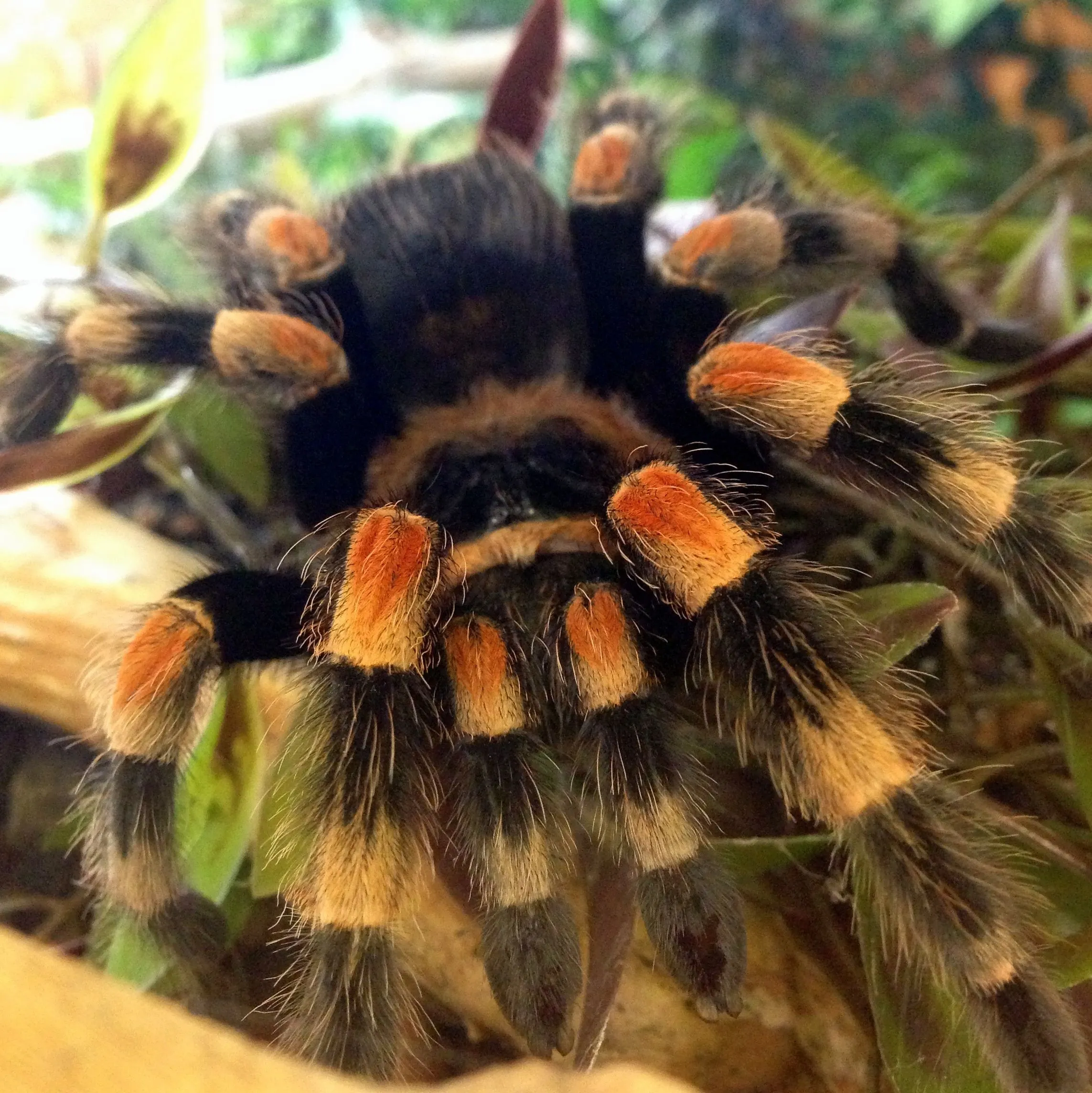
The Mexican Red Knee Tarantula (Brachypelma hamorii) is easily identifiable by its striking appearance. As their name suggests, the most distinctive feature is the vibrant red-orange markings on their knee joints. This, combined with the black body and striped legs, creates a visually stunning contrast. Adult females typically have a leg span of up to 6 inches, while males are generally smaller. The carapace is dark brown, and the abdomen is covered in urticating hairs, which the tarantula uses as a defense mechanism. The vibrant colors are a warning to potential predators. Always handle with caution, as these hairs can cause skin irritation. Accurate identification is crucial for responsible pet ownership and ensuring proper care. Their impressive size and unique coloration make them a sought-after species in the UK.
Size and Lifespan

One of the most remarkable facts about the Mexican Red Knee Tarantula is its longevity. Females can live for an impressive 20-30 years, making them a long-term commitment for any pet owner. Males, on the other hand, have a shorter lifespan, typically living for 5-10 years. The size of the tarantula varies, with females growing larger than males. They reach a leg span of approximately 5 to 6 inches, while males are slightly smaller. The size and lifespan are directly related to the care they receive. A well-maintained environment with proper nutrition and temperature is crucial for their health and longevity. Understanding their growth stages and recognizing signs of health issues will ensure your tarantula thrives for many years to come. Their ability to live for many years makes them a fascinating pet.
Origin and Habitat
Where They Come From
Mexican Red Knee Tarantulas are native to the Pacific coast of Mexico, specifically the scrublands and tropical deciduous forests. They inhabit burrows, often under rocks, logs, and among the roots of trees. Their natural habitat provides the ideal conditions for their survival, including a consistent temperature and humidity. Their wild environment is quite different from the controlled environment of a pet enclosure. This is why it is critical to replicate the conditions of their natural habitat in captivity. The wild environment is crucial for understanding their needs. These tarantulas are not found in the UK in the wild; they exist in the UK as pets, requiring a controlled environment to thrive. The need to ensure their habitat is as close as possible to their natural one is critical for their well-being.
Ideal Habitat

Replicating the tarantula’s natural habitat is essential for its well-being in captivity. A suitable enclosure for a Mexican Red Knee Tarantula in the UK should be around 10-20 gallons, depending on the size of the tarantula. The enclosure should include a substrate of coco fiber, peat moss, or a mix of both, which helps maintain humidity. Provide a water dish, a hide, such as a half-log or a piece of cork bark, and maintain a temperature between 75-85°F (24-29°C) and a humidity level of 60-70%. Proper ventilation is also essential to prevent mold growth. The enclosure design should provide a sense of security and meet their needs. Proper housing is essential for their welfare and survival. Maintaining these conditions ensures the tarantula’s comfort and promotes healthy behavior.
Temperament and Behavior
Common Characteristics
Mexican Red Knee Tarantulas are generally known for their docile temperament, making them suitable pets for beginners. They are relatively slow-moving and less likely to bite compared to other tarantula species. However, it’s essential to remember that they are still wild animals and should be handled with caution. When threatened, they may flick urticating hairs from their abdomen as a defense mechanism, which can cause skin irritation. They also tend to hide in their burrows or under cover during the day and become more active at night, which is typical of many tarantula species. Understanding their behavior and responding accordingly will make the experience with your pet more enjoyable. Careful handling and avoiding sudden movements will minimize any stress on the tarantula, leading to a calmer temperament.
Defensive Mechanisms

The primary defense mechanism of the Mexican Red Knee Tarantula is the urticating hairs. When feeling threatened, they will use their hind legs to flick these hairs towards the perceived threat. These hairs embed themselves in the skin and cause itching and irritation. In addition to this, they may also try to bite, though this is less common. While their venom is not considered medically significant to humans, a bite can still cause some pain and discomfort. Recognizing the signs of stress, such as a defensive posture, is essential to avoid triggering a defensive response. Keeping a safe distance and allowing them to retreat to their burrow can prevent any incidents. Understanding their defense mechanisms is crucial to handle them safely.
Care and Handling
Enclosure Requirements
The enclosure for a Mexican Red Knee Tarantula in the UK requires careful consideration. The enclosure should be appropriately sized, with enough space to roam and explore. It should be made of glass or a similar transparent material, allowing for easy observation. The enclosure should have a secure lid to prevent escapes. A suitable substrate, such as coco fiber or peat moss, helps maintain humidity and provides a burrowing medium. Essential additions include a water dish and a hide, such as a piece of cork bark or a half-log. The environment should be kept at a temperature between 75-85°F (24-29°C) and a humidity level of 60-70%. Regular monitoring and maintenance of the enclosure are vital to the tarantula’s health and comfort. A clean and well-maintained enclosure ensures a healthy living environment.
Feeding Your Tarantula

Feeding is a crucial part of caring for your Mexican Red Knee Tarantula. In general, they should be fed 1-2 times per week, depending on their age and size. Younger tarantulas need more frequent feedings. The main diet consists of live insects, such as crickets, mealworms, and roaches. The size of the insects should be appropriate for the size of the tarantula; as a general rule, the prey should be no larger than the tarantula’s body. Remove any uneaten insects after 24 hours to prevent stressing the tarantula. Always provide a fresh water supply in a shallow dish. Overfeeding can lead to health problems. Careful monitoring of their eating habits and adjusting the feeding schedule accordingly is essential. Maintaining the proper diet is an important aspect of their well-being.
Health and Common Issues
Recognizing Potential Problems
It is important to be able to recognize potential health problems in your Mexican Red Knee Tarantula. Signs of illness include lethargy, loss of appetite, and difficulty walking. Other indicators include a swollen abdomen or unusual behavior, such as remaining out in the open for extended periods. Improper molting is another common issue, which can be caused by low humidity or other environmental factors. Regular observation and monitoring of your tarantula is essential. Check for any changes in behavior or physical appearance. Addressing any issues quickly improves the chances of recovery. Early detection is critical to provide any required intervention. A healthy tarantula should display normal activity and behavior.
Seeking Veterinary Assistance

While tarantulas are relatively low-maintenance pets, it is important to know when to seek veterinary assistance. Unfortunately, finding a vet specializing in arachnids can be challenging in the UK. Look for a veterinarian with experience in exotic pets or reptiles, who might be able to help. If you notice any signs of illness or injury that you cannot address, consult a vet. They can provide diagnosis and treatment, or refer you to a specialist. Prevention is the best medicine. Regular check-ups and providing the best care will help to prevent most common health problems. Seeking professional medical assistance will ensure your pet gets the best care.
In conclusion, the Mexican Red Knee Tarantula makes a captivating pet for anyone in the UK. Their striking appearance, relatively docile nature, and manageable care requirements make them an appealing choice for enthusiasts of all experience levels. By understanding their needs, including appropriate housing, feeding, and recognizing potential health issues, you can provide a thriving and rewarding experience for both you and your tarantula. Their longevity also makes them a long-term commitment. Proper care and knowledge will help you to appreciate and enjoy the beauty of these fantastic creatures. Responsible ownership will ensure that your pet tarantula lives a healthy and happy life.