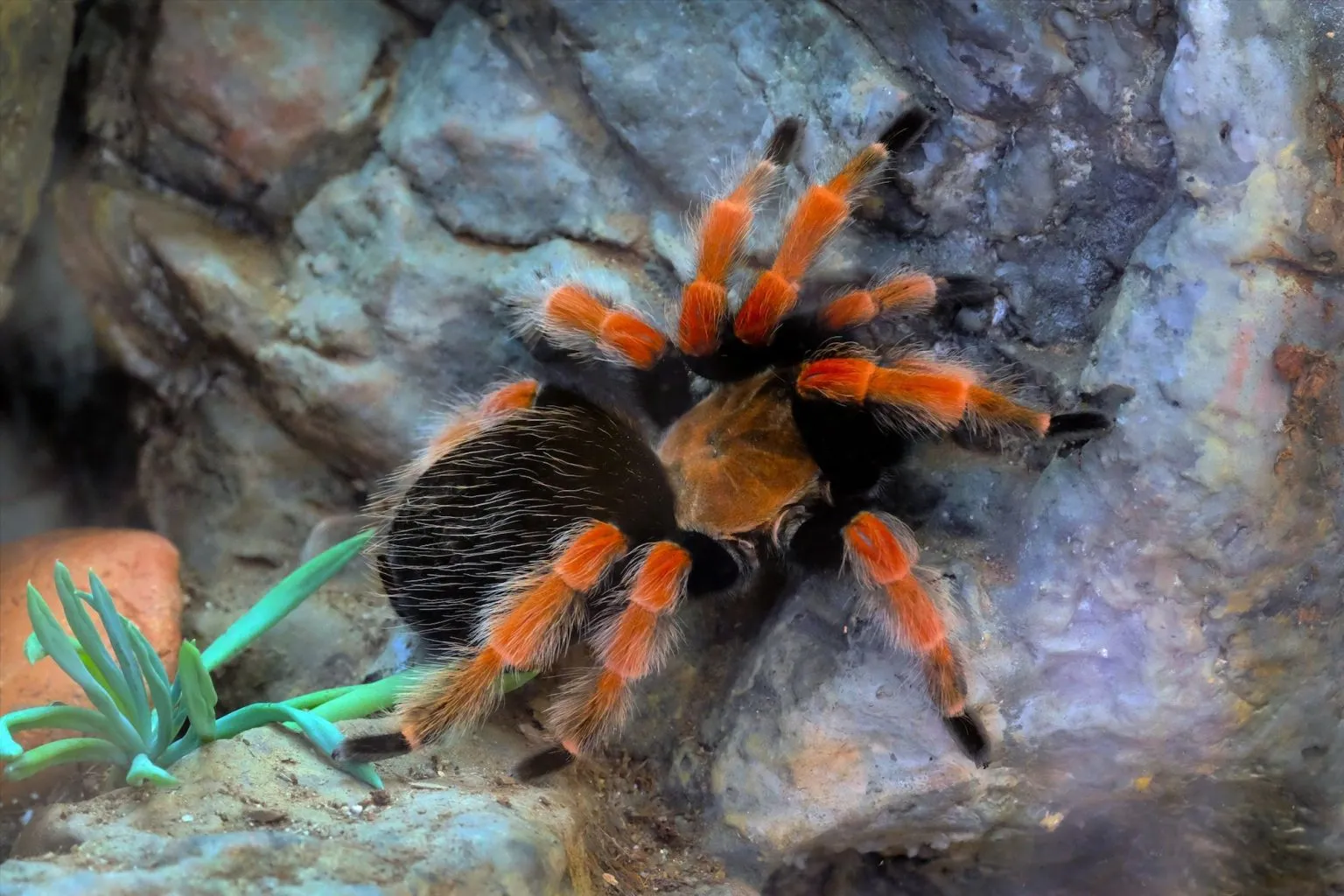
What You Need for Mexican Red Knee Tarantula Unboxing
Unboxing a Mexican Red Knee tarantula is an exciting event, but it’s crucial to be prepared. Proper preparation ensures a smooth transition for your new pet and minimizes stress for both you and the tarantula. This guide will walk you through every step of the process, from gathering the necessary supplies to providing post-unboxing care. Having the right equipment and understanding the needs of your Mexican Red Knee will set you up for success in the exciting world of tarantula ownership. Careful preparation is the cornerstone of a positive experience for your new eight-legged friend.
The Right Enclosure
The enclosure is the tarantula’s home, and its suitability is paramount. The size, ventilation, and security of the enclosure are all critical factors. A well-designed enclosure will provide a comfortable and safe environment for your Mexican Red Knee, reducing stress and allowing it to thrive. Consider the tarantula’s size and growth potential when choosing the enclosure. Furthermore, the enclosure should be made of a clear material like glass or acrylic, allowing you to observe your tarantula and admire its beauty. Always ensure the enclosure is escape-proof. This means a secure lid and the proper placement of substrate and decorations to prevent climbing.
Choosing the Correct Size

The size of the enclosure should correspond to the tarantula’s size. A juvenile Mexican Red Knee will do well in a smaller enclosure, while a larger adult will need significantly more space. An enclosure that’s too large can make it difficult for the tarantula to find food, and it can also make the tarantula feel insecure. Too small of an enclosure will restrict movement and lead to stress. A good rule of thumb is that the enclosure should be approximately 2-3 times the tarantula’s leg span in length and width. The height of the enclosure doesn’t need to be excessive, as Mexican Red Knees are terrestrial and don’t typically climb. Always make sure the enclosure has proper ventilation to prevent the build-up of mold or bacteria.
Substrate Selection
The substrate is the bedding material at the bottom of the enclosure. It serves several purposes, including providing a comfortable surface for the tarantula to walk on, helping to maintain humidity, and providing a place for the tarantula to burrow. The right substrate is crucial for your Mexican Red Knee’s well-being. Different substrates have different properties, so choosing the right one is essential. Make sure to choose a substrate that is free of pesticides and other harmful chemicals. The substrate also needs to be deep enough for the tarantula to burrow, so consider the depth when choosing the enclosure size.
Ideal Substrate Options
Several substrate options are suitable for Mexican Red Knees. A popular choice is a mix of coconut fiber, peat moss, and a bit of vermiculite. This combination holds moisture well, is easy to clean, and allows for burrowing. Sphagnum moss can also be added to increase humidity. Avoid substrates like sand or gravel, as they can be difficult for the tarantula to burrow in and can cause injury. Regardless of the chosen substrate, it should be kept clean and replaced periodically to maintain hygiene and prevent the growth of mold and bacteria. Spot cleaning the substrate is important and should be done as needed, removing any waste or uneaten food.
Essential Unboxing Tools

Before the tarantula arrives, gather the following essential tools. First, you’ll need a secure container, such as a deli cup or small plastic container, to temporarily house the tarantula during the transfer process. This is a crucial safety measure in case the tarantula escapes the shipping container. Next, have a pair of long, soft-tipped tweezers or tongs for gently handling the tarantula if necessary, although direct handling should be avoided if possible. You’ll also need a spray bottle filled with dechlorinated water to mist the enclosure and maintain humidity. Finally, have a small paintbrush or similar tool for gently nudging the tarantula if needed. Having these tools readily available will make the unboxing process smoother and safer for everyone.
Preparing Your Mexican Red Knee for Unboxing
Preparation starts before the tarantula even arrives. Research the care requirements of the Mexican Red Knee and familiarize yourself with its specific needs. This includes understanding its preferred temperature, humidity levels, and dietary requirements. Ensure that you have all necessary supplies ready, including the enclosure, substrate, water dish, and any decorations. It’s also wise to have a plan for what to do if the tarantula escapes during the unboxing process. This might include having a backup container ready, as well as knowing how to safely corral the tarantula. Taking the time to prepare will make the unboxing process less stressful for you and the tarantula.
Unboxing Location
Choose a quiet, well-lit area for unboxing. Avoid areas with high traffic or direct sunlight, which can stress the tarantula. A table or flat surface is ideal for setting up the enclosure and working with the shipping container. Make sure the area is free from potential hazards, such as pets or small children who might interfere with the process. Having a designated unboxing area allows you to focus on the task at hand, ensuring the safety of both you and the tarantula. Consider setting up the enclosure in the unboxing location before the tarantula arrives so that you are fully prepared.
Temperature and Humidity

Mexican Red Knees thrive in specific temperature and humidity ranges. Before unboxing, check the ambient temperature of the unboxing location and ensure it is within the ideal range of 75-85°F (24-29°C). If necessary, use a space heater or air conditioner to adjust the temperature. Humidity levels should be maintained between 60-70%. This can be achieved by misting the enclosure with dechlorinated water or providing a shallow water dish. Monitoring the temperature and humidity with a thermometer and hygrometer will help you ensure that the environment is comfortable for your new tarantula. Proper environmental conditions are essential for the tarantula’s health and well-being.
Safety First
Safety is the utmost priority during the unboxing process. Mexican Red Knees are generally docile but can bite if they feel threatened. Wear gloves if you are not comfortable handling the tarantula directly. Work slowly and deliberately, avoiding sudden movements or loud noises that could startle the tarantula. Keep children and other pets away from the unboxing area. Be prepared to quickly close the shipping container or the enclosure if the tarantula tries to escape. It’s also advisable to wash your hands thoroughly before and after handling anything related to the tarantula. Always be respectful of the tarantula and its potential to bite.
The Unboxing Process Step by Step
Unboxing requires a methodical approach to ensure the tarantula’s safety. Begin by carefully inspecting the shipping container for any damage. Place the shipping container on a flat surface in the designated unboxing area. Have your prepared enclosure and temporary container ready. Proceed calmly and deliberately throughout each step. Always prioritize the tarantula’s well-being and safety. Proper preparation and a step-by-step approach will minimize stress for the tarantula and ensure a successful introduction to its new home. Following these steps will increase the likelihood of a positive unboxing experience.
Opening the Shipping Container

Carefully open the shipping container, taking care not to jostle the tarantula. Inspect the tarantula through the container’s lid before opening it completely. If the tarantula appears calm, proceed slowly. Have your prepared enclosure nearby. Remove the lid slowly, being mindful of the tarantula’s location. If the tarantula is active, you may want to wait a few minutes for it to calm down before proceeding. Avoid sudden movements or loud noises that could startle the tarantula. Observe the tarantula’s behavior throughout the opening process and be prepared to react accordingly.
Inspecting the Tarantula
Once the shipping container is open, inspect the tarantula for any signs of injury or illness. Look for any missing legs, damage to the abdomen, or unusual behavior. Also, check for any mites or parasites. A healthy Mexican Red Knee should have a full body, no visible injuries, and move with a normal gait. If you observe any issues, contact the seller or breeder immediately. Take photos or videos of any concerns to document your findings. Ensure that the tarantula is in good condition before proceeding with the transfer. Proper inspection is crucial to ensure the tarantula’s health and well-being.
Transferring to the Enclosure
Gently coax the tarantula into its new enclosure. You can do this by carefully tilting the shipping container and allowing the tarantula to walk out on its own, or by gently nudging it with a soft-tipped tool if needed. Avoid forcing the tarantula, as this can cause stress. If the tarantula is reluctant to move, give it some time to acclimate. Once the tarantula is in the enclosure, close the lid securely. Avoid handling the tarantula directly at this stage. Provide water and allow the tarantula to settle in and explore its new home. The first few hours or days after unboxing is a crucial adjustment period for the tarantula, so try to keep stress levels down.
Post Unboxing Care

After the unboxing process, the tarantula will need time to acclimate to its new environment. Proper post-unboxing care is vital for ensuring your Mexican Red Knee settles in well and thrives. This includes providing water and food, monitoring its behavior, and making any necessary adjustments to the enclosure. The more comfortable the tarantula is, the sooner it will begin to thrive. Consistent care and observation are key components of responsible tarantula ownership. By following these guidelines, you’ll create a healthy, happy environment for your pet tarantula.
Providing Water and Food
Provide a shallow water dish with fresh, clean water. Ensure the water dish is accessible but not a drowning hazard. Some tarantulas prefer to drink from the sides of the enclosure after you’ve misted the enclosure. Offer food a few days after unboxing, once the tarantula has settled. A good choice is appropriately sized crickets or mealworms. Remove any uneaten food within 24 hours to prevent mold growth. Providing food and water will help the tarantula to thrive. Watch to see if the tarantula has eaten the food provided to determine if it’s comfortable in its new enclosure.
Monitoring the Tarantula
Observe your tarantula’s behavior in the days and weeks following unboxing. Look for signs of stress, such as hiding constantly, refusal to eat, or erratic movements. Monitor the temperature and humidity levels and make adjustments as needed. Observe the tarantula’s feeding habits, molting cycle, and overall activity level. If you notice any concerning behavior, consult with an experienced tarantula keeper or a veterinarian specializing in exotic animals. Regular monitoring is essential for detecting any potential health problems and ensuring that your tarantula is thriving. By monitoring regularly, you will create a long-lasting relationship with your pet tarantula.
Common Unboxing Problems

Even with the best preparation, problems can occur during the unboxing process. Understanding these potential issues will help you to respond effectively and minimize stress for your tarantula. These problems may include escape, stress, or refusal to eat. It is always better to be prepared for the possibility of problems. Being prepared for any of the common unboxing problems makes the unboxing and settling-in periods go smoother, minimizing the stress placed on your new pet tarantula.
Tarantula Escape
Tarantulas are masters of escape, so it is important to have a plan in place. If the tarantula escapes, remain calm. Close all doors and windows in the area. Try to contain the tarantula in a smaller space, such as a bathroom. Use a container to gently capture the tarantula, being careful not to harm it. Do not attempt to handle the tarantula with your bare hands. Once captured, return the tarantula to its enclosure. Prevent future escapes by ensuring the enclosure is escape-proof. Regularly inspect the enclosure for any gaps or weak points. Having a backup plan in place and working quickly and calmly can help prevent the tarantula from getting away.
Stress and Refusal to Eat
Stress is common after unboxing. If your tarantula is hiding or not eating, it might be stressed. Give the tarantula time to acclimate to its new surroundings. Provide a secure hiding place, and avoid handling it unnecessarily. Maintain the appropriate temperature and humidity levels. If the tarantula continues to refuse food for more than a week, consult with an experienced keeper or a veterinarian. This could be a sign of a more serious problem. Many factors can contribute to stress. Try to provide a stress-free environment to help your new pet tarantula acclimate quickly. Watch for any behavior that you may see as abnormal.