Amazing Mexico Blue Tarantula Facts
The Mexico Blue Tarantula (Brachypelma vagans) is a captivating arachnid, admired for its striking appearance and relatively docile temperament. This species, native to Mexico and parts of Central America, has become increasingly popular in the pet trade, attracting enthusiasts with its vibrant coloration and intriguing behavior. Understanding the Mexico Blue Tarantula involves delving into its unique characteristics, from its physical attributes and natural habitat to its life cycle and the challenges it faces in the wild. This article is going to reveal 10 amazing facts about this tarantula.
Appearance and Characteristics of the Mexico Blue Tarantula
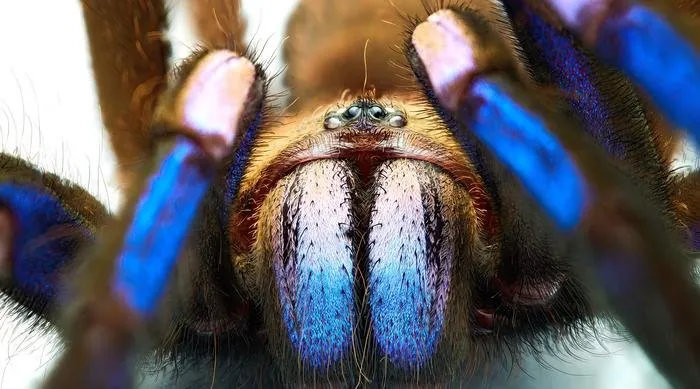
The Mexico Blue Tarantula is a visual marvel, primarily recognized for its striking coloration. The body is typically a dark, almost black hue, while the legs exhibit a gradient of blue, ranging from a deep, electric shade to a lighter, more subtle tone. This coloration is most pronounced in juvenile specimens, with the blue tones sometimes fading slightly as the tarantula matures. The carapace, or the upper part of the cephalothorax, can also display hints of blue, complementing the overall aesthetic. The spider’s size is another defining characteristic; adult females are generally larger than males, with a leg span that can reach up to six inches or more. The overall appearance is robust, with a hairy texture that adds to its appeal.
Size and Physical Traits

As mentioned, adult females of the Mexico Blue Tarantula typically grow larger than males. The leg span, which is the distance from the tip of one leg to the tip of the opposite leg, can be a significant indicator of size. Females can reach up to 6 inches or more in leg span, while males are generally slightly smaller. The body itself is compact and well-proportioned, contributing to the overall impressive presence of the spider. The hairy texture of the body and legs is not only an aesthetic feature but also plays a role in sensory perception, allowing the tarantula to detect vibrations and movement in its environment.
Coloration Variations
While the vibrant blue legs are a defining characteristic, the intensity of the coloration can vary among individuals. This variation may be influenced by factors such as age, genetics, and even the tarantula’s diet and environment. Younger tarantulas often display the most intense blue hues, which may become slightly less pronounced as they molt and mature. Some specimens may exhibit a more turquoise or grayish-blue tint, while others display a deeper, more saturated blue. Despite these variations, the Mexico Blue Tarantula consistently stands out for its unique and attractive coloration, making it a favorite among tarantula enthusiasts.
Habitat and Natural Environment of Mexico Blue Tarantulas
The Mexico Blue Tarantula thrives in specific environmental conditions within its native habitat. Understanding these conditions is crucial for both its conservation and the successful care of captive specimens. The ideal habitat consists of warm and humid environments, which are common in the tropical and subtropical regions where the tarantula is found. The availability of suitable shelter, such as burrows or hiding places under rocks and logs, is also essential for the tarantula’s survival. The presence of a diverse ecosystem with a variety of prey is also important, ensuring that the tarantula has an adequate food supply.
Geographic Distribution in Mexico

The Mexico Blue Tarantula’s range is primarily concentrated in the tropical regions of Mexico, particularly along the Pacific coast. They can be found in states like Guerrero, Oaxaca, and Michoacán. The specific locations within these states typically include areas with dense vegetation, where the tarantulas can find ample cover and access to prey. The spider’s distribution is also influenced by factors such as altitude and climate, with the species generally preferring warmer temperatures and higher humidity levels. The conservation of these habitats is critical to ensuring the survival of the Mexico Blue Tarantula in the wild.
Typical Habitats and Microclimates
Within its geographic range, the Mexico Blue Tarantula often inhabits areas with dense vegetation, such as forests, grasslands, and scrublands. They are typically found in environments that offer ample ground cover, including leaf litter, fallen logs, and rocky outcrops. These features provide the tarantulas with shelter from predators and the elements. The microclimates within these habitats are characterized by high humidity and relatively stable temperatures, which are essential for the tarantula’s survival. They often create or find burrows in the ground, which they use to regulate their body temperature and conserve moisture.
Behavior and Lifestyle of Mexico Blue Tarantulas
The Mexico Blue Tarantula exhibits a range of fascinating behaviors that contribute to its survival in the wild. Their lifestyle is largely influenced by their predatory nature and their need to avoid threats. Understanding these behaviors is important not only for appreciating the tarantula but also for providing appropriate care in a captive environment. The tarantulas are typically nocturnal hunters, spending much of the day hidden in their burrows or under cover, emerging at night to seek out prey. Their defensive mechanisms and mating rituals are also key aspects of their behavior, revealing the intricacies of their life cycle.
Diet and Feeding Habits

As carnivores, Mexico Blue Tarantulas primarily feed on insects and other small invertebrates. Their diet in the wild typically consists of crickets, grasshoppers, beetles, and other arthropods that they can overpower. They are ambush predators, lying in wait for their prey to come within striking distance. Once a suitable meal comes close, they quickly seize it with their fangs, injecting venom to immobilize and begin the digestive process. In captivity, a varied diet of appropriately sized insects, such as crickets, mealworms, and roaches, is essential to maintain their health and well-being. The frequency of feeding depends on the tarantula’s age and size, with younger tarantulas requiring more frequent meals.
Defensive Mechanisms
Like other tarantulas, the Mexico Blue Tarantula has several defense mechanisms to protect itself from predators. One of the primary defenses is its ability to flick urticating hairs, which are barbed hairs located on the abdomen. When threatened, the tarantula uses its legs to brush these hairs towards the potential threat, causing irritation to the skin and eyes. They also have the ability to bite, although this is typically a last resort. The venom is not considered to be lethal to humans, but the bite can be painful and cause localized symptoms. The tarantula’s coloration also serves as a warning, as it may deter potential predators. The most common defense is to escape and hide.
Reproduction and Life Cycle of Mexico Blue Tarantulas
The reproduction and life cycle of the Mexico Blue Tarantula are intricate processes that involve specific behaviors, environmental factors, and stages of development. Understanding these aspects provides insight into the species’ survival strategies and the complexities of their life cycle. The mating process, egg production, and the stages of growth are all critical components of the tarantula’s ability to sustain its population. These processes are often influenced by external factors, such as temperature and humidity, which can affect the timing and success of reproduction.
Mating Rituals and Egg Sacs

The mating process of the Mexico Blue Tarantula is an elaborate dance, initiated by the male tarantula. The male approaches the female cautiously, often drumming on the ground to signal his presence and intentions. If the female is receptive, they will engage in a courtship ritual, with the male using his pedipalps to deposit sperm into the female’s reproductive organs. After mating, the female will typically produce an egg sac, which she will carefully guard and protect. The egg sac contains hundreds of eggs, which will hatch into spiderlings after several weeks. The female will remain with the egg sac until the spiderlings are able to fend for themselves.
Growth Stages and Molting
The Mexico Blue Tarantula goes through several growth stages, marked by molting. Molting is the process by which the tarantula sheds its exoskeleton, allowing it to grow larger. The frequency of molting depends on the tarantula’s age and how quickly it is growing. Young tarantulas molt more frequently than adults. During molting, the tarantula becomes vulnerable, as its new exoskeleton is soft. The entire process can take several hours, and it is important to avoid disturbing the tarantula during this time. Each molt marks a new stage of development, with the tarantula increasing in size and sometimes experiencing changes in coloration. Molting is essential for the tarantula’s survival, allowing it to grow and replace damaged body parts.
Conservation Status and Threats to Mexico Blue Tarantulas
The Mexico Blue Tarantula, like many other species, faces challenges in the wild. Understanding the threats to the population is essential for developing conservation strategies and protecting the species. Factors such as habitat loss, the pet trade, and natural predators contribute to the pressures that the tarantula faces. Efforts to monitor populations, protect habitats, and implement sustainable practices are essential for ensuring the long-term survival of the Mexico Blue Tarantula.
Current Population Trends

Assessing the current population trends of the Mexico Blue Tarantula can be challenging due to its secretive nature and the limited amount of research conducted on the species. However, based on available data and expert observations, there are concerns about the decline of wild populations in some areas. Habitat destruction, caused by deforestation and agricultural expansion, is a primary driver of population decline. Illegal collection for the pet trade also poses a significant threat, as it can lead to overexploitation of wild populations. Ongoing monitoring and conservation efforts are crucial to understand the population dynamics and develop strategies to mitigate these threats.
Common Predators and Threats
The Mexico Blue Tarantula faces a variety of threats in its natural habitat. Birds, lizards, and other larger predators prey on the tarantulas. Habitat loss, primarily due to deforestation and agriculture, reduces the availability of suitable environments. The pet trade, both legal and illegal, can significantly reduce wild populations if not managed sustainably. Climate change, including changes in temperature and rainfall patterns, poses a potential threat, as it can disrupt the delicate balance of the ecosystem. To ensure the species’ survival, it is critical to implement measures that protect habitats, regulate the pet trade, and address the broader impacts of climate change.
Keeping Mexico Blue Tarantulas as Pets
Keeping the Mexico Blue Tarantula as a pet can be a rewarding experience for those who are passionate about arachnids. However, it requires a commitment to provide the proper care and environment. The tarantula’s requirements include a suitable enclosure, a balanced diet, and regular monitoring of its health. The legality of owning a Mexico Blue Tarantula, as well as the ethical sourcing of the animal, are also important considerations. Responsible pet ownership involves acquiring the knowledge necessary to meet the needs of the tarantula, which can lead to a fulfilling experience for both the owner and the pet.
Legal Considerations and Ethical Sourcing

Before acquiring a Mexico Blue Tarantula, it is crucial to understand the legal aspects involved. The possession and sale of this species may be subject to specific regulations, depending on the location. It is essential to research the local and national laws regarding the ownership of exotic animals. Ethical sourcing is also an important consideration. It is vital to ensure that the tarantula is obtained from a reputable breeder or supplier who adheres to ethical practices. Purchasing a tarantula that has been captive-bred helps support conservation efforts and reduces the demand for wild-caught specimens. It’s important to avoid supporting illegal wildlife trade.
Creating the Ideal Enclosure
The enclosure should be a terrarium that is appropriately sized for the tarantula’s size. A secure lid is essential to prevent escapes. The substrate should be a mixture of materials that retain moisture and allow the tarantula to burrow. Coconut fiber, peat moss, and vermiculite are common choices. The enclosure should also include a shallow water dish and a hide, such as a piece of cork bark or a hollow log, where the tarantula can retreat. Maintaining a suitable temperature and humidity level is crucial to ensure the tarantula’s health. Use a thermometer and hygrometer to monitor the environmental conditions, and make adjustments as needed. Good ventilation is also essential to prevent the buildup of mold and bacteria.
Feeding and Watering Your Tarantula
Feeding your Mexico Blue Tarantula is a straightforward process. The tarantula should be fed a diet of appropriately sized insects, such as crickets, mealworms, or roaches. The frequency of feeding depends on the tarantula’s age and size. Younger tarantulas should be fed more often, typically once or twice a week, while adults can be fed less frequently, usually every one to two weeks. It is important to provide a varied diet to ensure that the tarantula receives all the necessary nutrients. Fresh water should be available at all times in a shallow dish. The water should be changed regularly to prevent contamination. Avoid overfeeding your tarantula, as this can lead to health problems.
Common Health Issues and Care
Mexico Blue Tarantulas are relatively hardy animals, but they can still be susceptible to certain health issues. Maintaining proper hygiene in the enclosure is the best way to prevent many health problems. Overfeeding can lead to obesity, while dehydration can be caused by insufficient water. Watch for signs of illness, such as lethargy, loss of appetite, or unusual behavior. If you notice any of these symptoms, it is important to consult with an experienced tarantula keeper or a veterinarian who has expertise in exotic animals. Regularly cleaning the enclosure, providing a balanced diet, and ensuring proper environmental conditions are essential for keeping your tarantula healthy and happy.
Conclusion on Mexico Blue Tarantula
The Mexico Blue Tarantula is a fascinating species that offers a unique perspective on the world of arachnids. From its captivating blue coloration to its intriguing behaviors, the tarantula continues to capture the attention of enthusiasts worldwide. Understanding its habitat, lifestyle, and the challenges it faces in the wild allows us to appreciate the importance of conservation. When kept as pets, responsible care is essential, including providing a suitable environment, a balanced diet, and a commitment to their well-being. By learning about and respecting these incredible creatures, we can help ensure that the Mexico Blue Tarantula thrives for generations to come. Embrace the beauty and mystery of the Mexico Blue Tarantula, and contribute to its preservation.