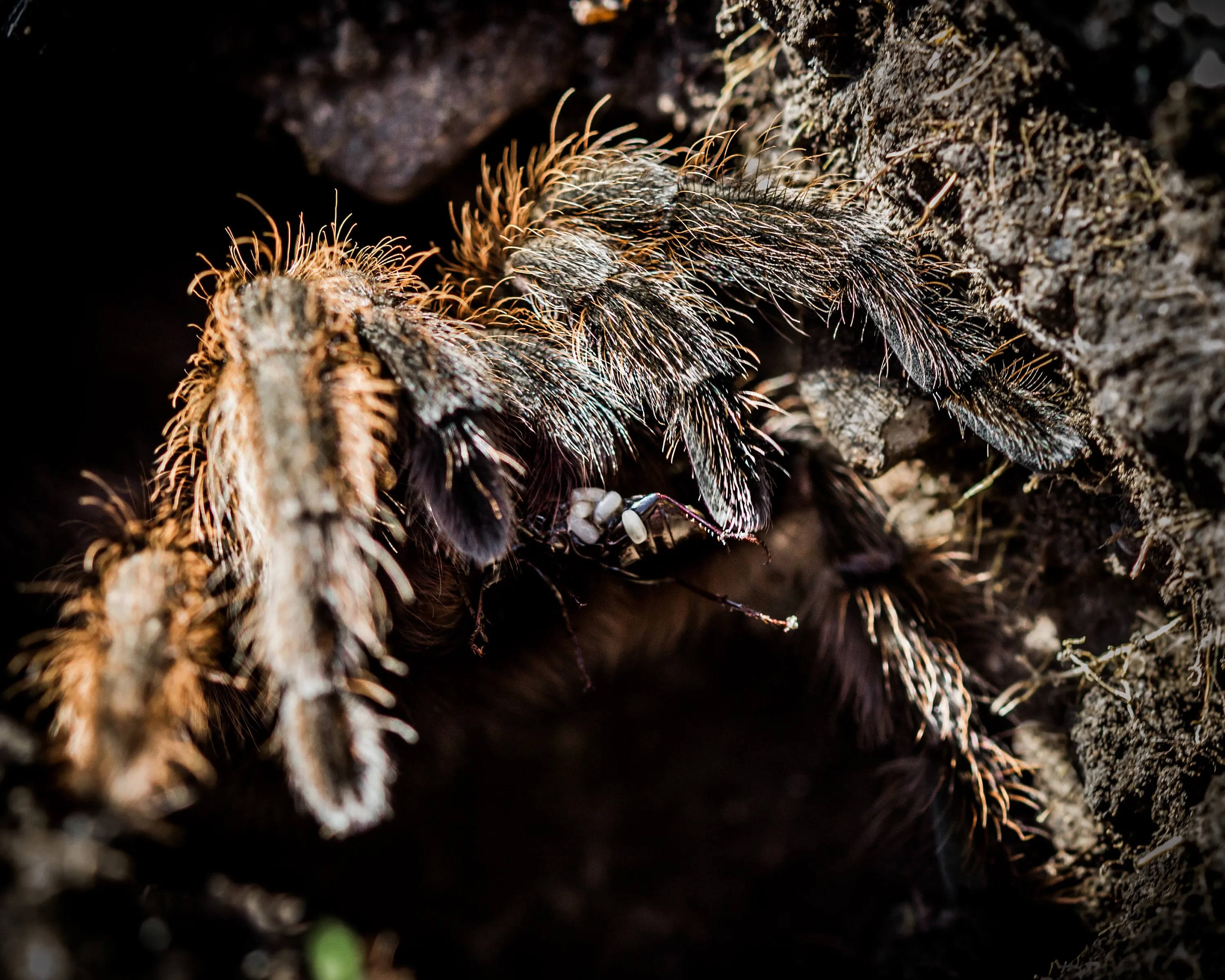
Missouri, with its diverse landscapes, provides a unique habitat for various species of spiders, including the fascinating tarantula. These large, hairy spiders are a captivating subject for nature enthusiasts. This article unveils five compelling facts about Missouri tarantulas, shedding light on their characteristics, habitats, behaviors, and the role they play in the local ecosystem. Prepare to delve into the world of these impressive arachnids and discover what makes them so unique.
Fact 1 Appearance and Identification
Identifying a Missouri tarantula begins with understanding its physical features. These spiders are significantly larger than many other spider species, often boasting a leg span that can reach several inches. They have robust bodies covered in dense hairs, which give them a fuzzy appearance. Coloration varies, but they typically exhibit shades of brown, tan, and sometimes black. The presence of these colors helps them to blend in with their surroundings, providing camouflage against predators and prey. The size and the hairy appearance are key indicators, although careful observation is always necessary to avoid misidentification.
Size and Physical Characteristics
The impressive size of Missouri tarantulas is one of their most striking features. Their leg span, which is the distance from the tip of one leg to the tip of the opposite leg, can be a significant measurement. The robust build of these spiders also contributes to their overall imposing presence. The body is usually covered with dense hairs. These hairs serve multiple purposes, including sensory functions and, in some species, defense mechanisms. The combination of size, hairy texture, and sturdy build are distinctive aspects that immediately set Missouri tarantulas apart from other spider species common to the area. (Image: missouri-tarantula-size)
Coloration and Markings
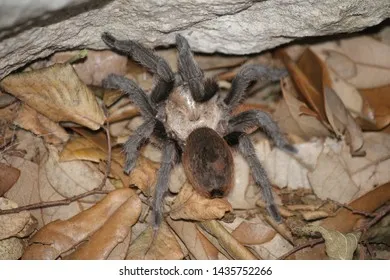
The coloration of Missouri tarantulas typically blends well with the earthy tones of their environment. Various shades of brown and tan are the most common, allowing them to camouflage effectively against the soil, rocks, and vegetation. While the base colors are similar, the precise shade can vary depending on the individual tarantula and its local environment. Subtle markings and patterns may also be present, adding to the spider’s unique appearance. Observing the coloration and markings is helpful in identifying the species and recognizing individual differences, though precise identification often requires further examination of other features. (Image: missouri-tarantula-markings)
Fact 2 Habitat and Distribution
The habitat and distribution of Missouri tarantulas provide insight into where one might encounter these spiders. They favor specific environmental conditions, such as areas with suitable shelter and a ready food supply. The geographical distribution is influenced by factors like climate, vegetation, and the availability of prey. Understanding these aspects can significantly increase the chances of spotting tarantulas in their natural surroundings. Furthermore, knowing the preferred habitats helps in appreciating the spider’s ecological role and how it adapts to its environment.
Preferred Habitats in Missouri
Missouri tarantulas are most often found in environments that offer shelter and access to prey. They typically inhabit areas like grasslands, open woodlands, and sometimes rocky terrains. The presence of burrows is a defining characteristic, as these spiders often dig their own or utilize existing ones for protection and to ambush prey. The ideal habitat provides concealment from predators and a stable microclimate. The availability of insects and other small animals is also crucial, as this forms the basis of their diet. (Image: missouri-tarantula-habitat)
Geographical Distribution of Tarantulas

The geographical distribution of Missouri tarantulas within the state is not uniform. They are more likely to be encountered in specific regions that offer the required environmental conditions. While their presence can be expected across various counties, the density of the population varies. This variance is tied to the climate and specific ecological aspects of each area. Consulting local wildlife resources or experts can provide more precise information regarding the distribution patterns and help in the responsible observation of these spiders. The knowledge of their distribution also helps in appreciating their ecological importance.
Fact 3 Behavior and Diet
The behavior and diet of Missouri tarantulas showcase their predatory nature and survival strategies. Understanding their feeding habits, the types of prey they prefer, and the hunting techniques they employ highlights their role within the ecosystem. Their behavior is dictated by the need for food and protection, and their interaction with their surroundings. These details provide a comprehensive view of the tarantula’s daily life and its significance in the natural environment.
Feeding Habits of Missouri Tarantulas
Missouri tarantulas are primarily carnivores, with a diet that consists mainly of insects, other spiders, and occasionally small vertebrates. They are ambush predators, waiting patiently inside or near their burrows for unsuspecting prey to wander close. Once a potential meal is within reach, they swiftly attack, using their fangs to inject venom that immobilizes and begins to digest the prey. The diet of a tarantula varies depending on the availability of food in its specific habitat, ensuring a dynamic interaction with the local food web. (Image: missouri-tarantula-feeding)
Typical Behaviors and Activities

The behaviors of Missouri tarantulas are closely tied to their need for survival and reproduction. They are generally solitary creatures, except during mating season. Much of their time is spent in or near their burrows, conserving energy and waiting for prey. They are most active during the night, which is when they hunt. These activities can include burrow maintenance, prey capture, and the process of molting, where they shed their exoskeleton to grow. Understanding these behaviors helps in appreciating their adaptability and the challenges they face in the wild.
Fact 4 Life Cycle and Reproduction
The life cycle and reproduction of Missouri tarantulas unveil their complex life stages and reproductive processes. From mating rituals to the development of young spiderlings, this segment explores the crucial aspects of their survival and the continuation of their species. Understanding the life cycle enables a better appreciation of the tarantula’s resilience and the challenges it faces in its environment. The reproductive process, in particular, reveals the intricate behaviors and adaptations that ensure the survival of the next generation.
Mating Rituals of Tarantulas
The mating season in Missouri often brings forth distinct behaviors among tarantulas. Male tarantulas actively seek out females, often traveling long distances in search of a mate. The mating ritual is a delicate interaction. The male approaches the female cautiously, often tapping or vibrating his legs to signal his intentions. If the female is receptive, they will mate. This is a critical time, as the female may sometimes attack the male. The mating rituals vary slightly between species, but the goal is always the same: to pass on their genes. (Image: missouri-tarantula-mating)
Egg Sacs and Spiderlings

After successful mating, the female tarantula produces an egg sac, which protects the developing eggs. The egg sac is carefully guarded and cared for by the female. Once the eggs hatch, tiny spiderlings emerge. They will go through several molting stages as they mature. These spiderlings are vulnerable and dependent on their mother for a period. However, the females will eventually disperse, and the spiderlings become independent. The life cycle from egg to adult represents a significant investment in energy and time, ensuring the species continues to thrive. (Image: missouri-tarantula-spiderlings)
Fact 5 Conservation and Human Interaction
The conservation status and human interaction with Missouri tarantulas are essential elements in understanding their long-term survival. This segment considers the threats that these spiders face and examines safe and respectful methods for interacting with them. Conservation efforts play a crucial role in protecting their habitat. By examining these areas, a better appreciation for how to conserve these remarkable creatures is gained.
Threats to Missouri Tarantulas
Missouri tarantulas face various threats, from habitat loss to the use of pesticides. Habitat destruction is a significant problem, mainly because of human development and agriculture. The reduction of their habitats leads to the decline in populations. Pesticides and other chemicals can directly affect the spiders and their prey. Climate change and the effects it has on their environment are also factors that may affect the long-term survival of these spiders. (Image: missouri-tarantula-conservation)
Safe Interaction with Tarantulas

Interacting with Missouri tarantulas requires caution and respect. It is crucial to avoid handling them, as they may bite if they feel threatened. Observing them from a distance is the best way to enjoy these creatures without causing harm. When observing them in their habitat, one should avoid disturbing their burrows or destroying their surroundings. Promoting education about tarantulas and their importance in the ecosystem is key to encouraging the public to respect and conserve these spiders. (Image: missouri-tarantula-facts)
In conclusion, Missouri tarantulas are fascinating creatures with unique characteristics, habitats, behaviors, and ecological roles. The five facts presented here offer a glimpse into their world. As we learn more about these spiders, we increase our appreciation for the natural world. By understanding their challenges and practicing respectful interaction, we can help ensure the survival of these incredible arachnids for generations to come.