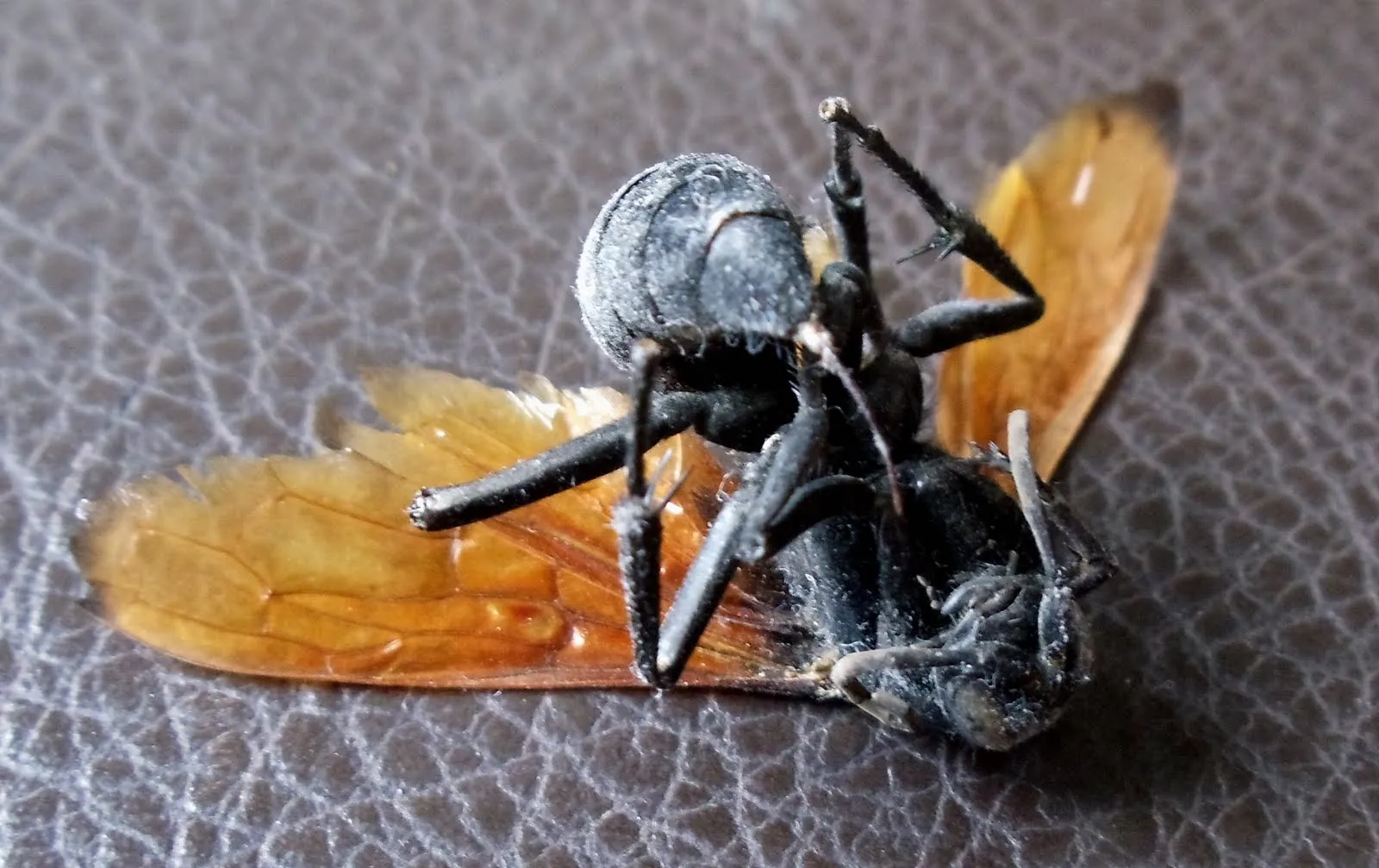
What is a Mojave Tarantula
The Mojave tarantula, scientifically known as Aphonopelma chalcodes, is a large, hairy spider native to the southwestern United States and parts of Mexico. Despite their intimidating size, these tarantulas are generally docile and are not considered highly venomous to humans. They play a crucial role in their ecosystem, primarily by preying on insects and other small invertebrates. Their life cycle, habitat, and behavior are fascinating to observe, making them a popular subject of study for arachnologists and a somewhat controversial pet in some circles. Understanding these creatures requires a deep dive into their world, revealing the beauty and complexity of these desert dwellers.
Appearance and Identification
Mojave tarantulas are typically brown to tan in color, providing excellent camouflage in their desert environment. They are sexually dimorphic, meaning males and females look different. Males are generally smaller, with a more slender build and longer legs, while females are larger and more robust. The males also have a distinct hook on their front legs, used for mating. These spiders have two body sections a cephalothorax and an abdomen, both covered in hairs. Their fangs are prominent, used for capturing prey and self-defense. Identifying a Mojave tarantula involves observing its size, color, and overall appearance, along with understanding its habitat to differentiate it from other tarantula species.
Habitat and Distribution

These tarantulas are found in the arid and semi-arid regions of the southwestern United States, including the Mojave Desert. Their range also extends into parts of Mexico. They prefer habitats with sparse vegetation, such as deserts, scrublands, and grasslands. They are burrowing spiders, constructing dens in the ground, often under rocks or in burrows they excavate themselves. The availability of suitable soil for burrowing is critical for their survival. The distribution of the Mojave tarantula is closely tied to the presence of their preferred prey and the climatic conditions of the region, particularly the temperature and humidity levels, that influence their activity patterns throughout the year. Mojave tarantulas are often active during the warmer months, typically coming out at dusk or during the night to hunt.
Diet and Feeding Habits
Mojave tarantulas are primarily insectivores, feeding on a variety of insects and other invertebrates. Their diet includes crickets, grasshoppers, beetles, and even smaller spiders. They are ambush predators, waiting patiently near the entrance of their burrows for unsuspecting prey to come within striking distance. They inject venom into their prey, paralyzing it and allowing them to consume it. The venom also helps in the initial digestion of the prey. When feeding, the tarantula uses its chelicerae (fangs) to crush the prey and consume the soft tissues. They do not need to eat frequently, and can survive for extended periods without food, depending on their size and the availability of resources. They often go for weeks or even months without eating when food is scarce.
Defensive Mechanisms
While the Mojave tarantula’s venom is not considered highly dangerous to humans, it does possess several defensive mechanisms. When threatened, a tarantula may raise its front legs and expose its fangs as a warning. They also have urticating hairs on their abdomen, which they can flick towards potential threats. These hairs are irritating and can cause skin and eye irritation. The tarantula’s primary defense is its ability to remain hidden in its burrow, avoiding confrontation when possible. They only bite if provoked, such as when handled or when they feel threatened. The bite is often compared to a bee sting, causing localized pain and discomfort but is rarely life-threatening.
Venom and Bite Safety

The venom of the Mojave tarantula is not considered medically significant for humans, although a bite can be painful. Symptoms may include localized pain, swelling, redness, and itching. In rare cases, there may be more systemic reactions, such as muscle cramps or nausea. It is important to clean the bite area thoroughly with soap and water to prevent secondary infections. If symptoms worsen or persist, seeking medical attention is advisable, although this is rarely necessary. Most bites resolve within a few days with no lasting effects. The main concern associated with tarantula bites is the possibility of allergic reactions, although these are uncommon. Proper education on handling tarantulas and understanding their behavior can significantly reduce the risk of bites.
Reproduction and Life Cycle
The reproduction of the Mojave tarantula involves a fascinating mating ritual. The male, after reaching maturity, searches for a female’s burrow. During mating, the male inserts sperm into the female’s reproductive organs using specialized structures on his pedipalps. The female lays eggs in a silken egg sac, which she guards fiercely. The eggs hatch, and the spiderlings remain with the mother for a period before dispersing to establish their own burrows. These tarantulas have a relatively long life cycle, with females living for up to 25 years, while males typically die after mating. The process of molting is also essential to their lifecycle, during which they shed their exoskeleton to grow.
Conservation Status and Threats
The Mojave tarantula is not currently listed as endangered or threatened, but their populations face various threats. Habitat loss due to urbanization and agriculture is a significant concern. Pesticide use can impact their prey base, affecting their ability to find food. The pet trade also plays a role, as collection from the wild can reduce populations in localized areas, although responsible breeding programs are becoming more common. Climate change poses another threat, with changing temperature and rainfall patterns that could affect their habitat and prey availability. Conservation efforts focus on protecting their habitat and promoting responsible practices in the pet trade to ensure their continued survival.
Mojave Tarantula Fun Facts

Unique Behaviors
Mojave tarantulas exhibit several unique behaviors, including their burrowing habits. They carefully construct and maintain their burrows, which provide shelter from the harsh desert environment and a place to ambush prey. They are primarily nocturnal, most active at night, avoiding the intense heat of the day. During mating season, males are often observed wandering in search of females, sometimes traveling considerable distances. They are also capable of a defensive posture, raising their front legs and displaying their fangs as a warning to potential predators. They can also flick urticating hairs for defense. These behaviors are key to their survival in the harsh desert environment.
Lifespan and Growth
Mojave tarantulas have a relatively long lifespan compared to many other spider species. Females can live for up to 25 years, while males typically live for only a few years, often dying shortly after mating. Their growth occurs through molting, a process where they shed their exoskeleton to grow. Young tarantulas molt more frequently than adults. The molting process is vulnerable time for the tarantula, as they are soft-bodied and defenseless during this period. The frequency of molting decreases as they mature. Factors such as temperature, humidity, and diet can influence the growth rate and molting frequency. Their long lifespan allows them to adapt to their environment and reproduce successfully over many years.
Interactions with Humans
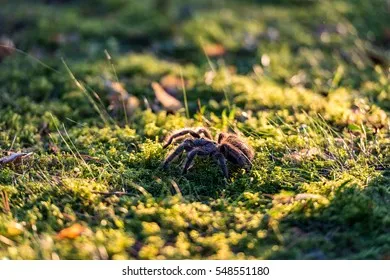
Mojave tarantulas interact with humans primarily through encounters in their natural habitat or as pets. In their natural environment, they are generally shy and avoid contact with humans. Bites are rare but can occur if a tarantula feels threatened. As pets, they are relatively docile and are popular among arachnid enthusiasts. Handling them requires caution and understanding of their behavior. They can be fascinating to observe and care for but require specific habitat and dietary needs. Educating the public about these creatures and their role in the ecosystem can promote respect and conservation of these unique animals.
Caring for a Mojave Tarantula
Creating the Right Habitat
Creating the right habitat is crucial for the health and well-being of a Mojave tarantula. The enclosure should be appropriately sized, allowing the tarantula to move around. A 10-gallon tank is usually sufficient for adults. The substrate should consist of a mix of peat moss, vermiculite, and a small amount of sand to mimic their natural burrowing environment. Providing a hide, such as a piece of cork bark or a half-log, offers the tarantula a place to retreat and feel secure. The enclosure should be well-ventilated but should maintain a moderate humidity level. A shallow water dish should always be available. Regular cleaning of the enclosure is necessary to remove waste and maintain a healthy environment.
Feeding and Watering
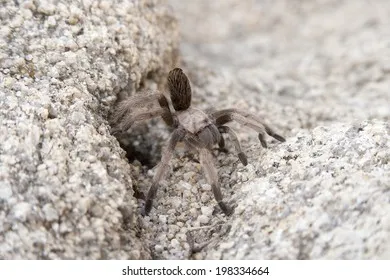
Feeding a Mojave tarantula involves providing a consistent diet of insects. Crickets, mealworms, and roaches are common food items. The size of the prey should be appropriate for the tarantula’s size, typically no larger than the tarantula’s body. Feed juvenile tarantulas 2-3 times per week and adults once every week or two, depending on their appetite. The water dish should always be filled with fresh, clean water. In addition to providing water in a dish, you can mist the enclosure lightly once a week to maintain proper humidity levels. Leftover prey should be removed from the enclosure after 24 hours to prevent stress and potential injury to the tarantula. A balanced diet is essential for their long-term health and successful molting.
Handling and Safety
Handling a Mojave tarantula should be done with care and respect for the animal. It is generally advisable to avoid handling them unless necessary, such as during enclosure maintenance. If handling is required, approach the tarantula slowly and gently, avoiding sudden movements. Use a soft brush to gently guide the tarantula onto your hand. Be mindful of the tarantula’s defensive behaviors, such as raising its front legs. Always wash your hands before and after handling a tarantula. Children should be supervised when handling tarantulas. While their venom is not highly toxic, a bite can still be painful. Understanding their behavior and proper handling techniques can minimize risks.