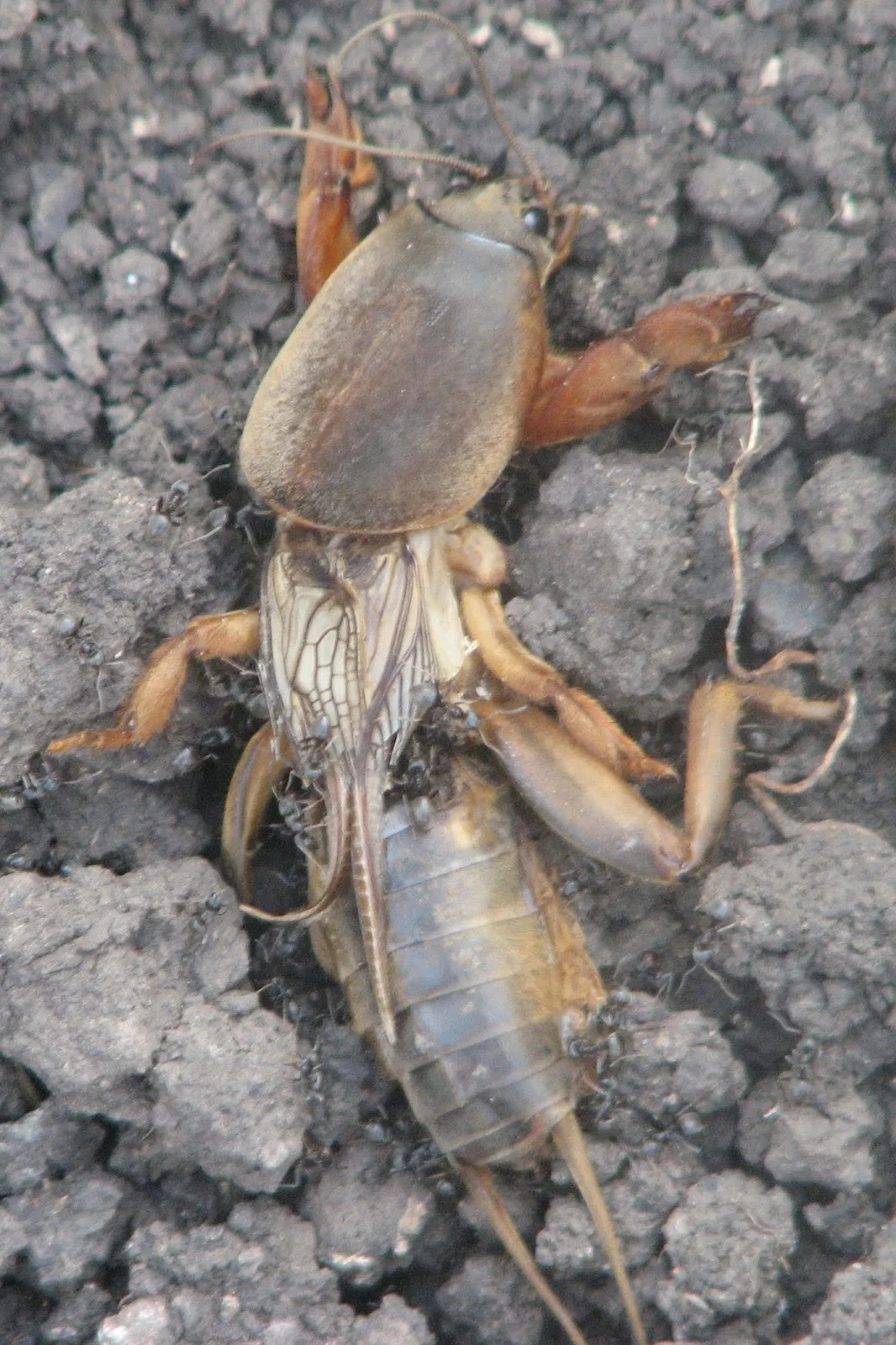
What Are Mole Crickets
Mole crickets are fascinating insects known for their unique appearance and subterranean lifestyle. These creatures get their name from their shovel-like front legs, perfectly adapted for digging through the soil. They are typically brown to dark brown in color and can range in size from about 1 to 2 inches long. Unlike many other insects, mole crickets spend a significant portion of their lives underground, creating elaborate tunnel systems just below the surface. They are found in various habitats, including grasslands, agricultural fields, and coastal areas, where the soil is moist and rich in organic matter. Their presence, although often unnoticed, plays a crucial role in soil aeration and nutrient cycling. These insects are also omnivorous, meaning they feed on a variety of food sources, contributing to their ecological impact. Understanding their basic biology is the first step to appreciating their role on Tarantula Island and other ecosystems.
Understanding the Mole Cricket’s Habitat
The habitat of mole crickets is critical to their survival and behavior. They thrive in environments with specific conditions, primarily moist, well-drained soil. This type of soil allows them to easily burrow and create their underground tunnels. They also prefer areas with abundant organic matter, such as decaying plant material and roots, which they consume. Areas with high humidity also support their survival. These insects are particularly prevalent in areas with access to sunlight. On Tarantula Island, the habitat is unique, offering an ideal environment for mole crickets because of the humid climate and the rich soil. This makes the island a hotspot for these insects, where they can build extensive tunnel systems and find plenty of food. The study of these environments, the soils, and the other insects that interact with them is vital to understand the role of mole crickets.
Mole Crickets on Tarantula Island: Fact 1

One of the most interesting facts is that the mole crickets on Tarantula Island have a diet that is slightly different from those in other locations. Because of the unique soil composition and plant life of the island, they consume a higher proportion of specific root vegetables, which impacts their size and health. This dietary adaptation has allowed them to thrive. The availability of these specific food sources is a key factor in the mole crickets’ population dynamics on the island, driving up numbers. This shows how intricately the mole crickets are connected to the island’s ecosystem.
Mole Crickets on Tarantula Island: Fact 2
Another fascinating fact is the unique burrowing behavior observed in mole crickets on Tarantula Island. The mole crickets on Tarantula Island are known for constructing exceptionally complex tunnel systems. These intricate networks serve multiple purposes, including foraging, shelter, and even communication. This specialized digging is in response to the specific soil type found on the island. These complex burrows provide them with excellent protection from predators and environmental factors, supporting the high population. The complexity of their tunnels is also attributed to the abundance of organic matter in the soil, which makes it easier for them to dig and expand their networks. This intricate system is an example of the mole crickets’ adaptation.
Mole Crickets on Tarantula Island: Fact 3
The third fact is the symbiotic relationship between mole crickets and certain plant species on Tarantula Island. The mole crickets unintentionally aerate the soil, which can significantly benefit the root systems of the plants. In return, these plants provide the mole crickets with a food source, such as decaying organic matter. This relationship highlights the critical role mole crickets play in the island’s ecosystem. This mutualism ensures that both the plants and the mole crickets contribute to the health of the ecosystem, with the mole crickets helping to keep the soil nutrient-rich.
Mole Crickets on Tarantula Island: Fact 4

Mole crickets on Tarantula Island have a different life cycle. Due to the island’s consistent climate and food supply, these mole crickets have a longer active season and a higher reproductive rate compared to populations in other regions. This impacts their behavior and population dynamics, allowing for a more stable population on the island. This extended period of activity and reproduction plays a significant role in their overall population health and ecological impact. This leads to unique behaviors and a higher population density than in other locations, as well as contributes to the island’s biological diversity.
Mole Crickets on Tarantula Island: Fact 5
The final fact to note is the role of mole crickets as a food source for other creatures on Tarantula Island. They are an important part of the island’s food web, serving as prey for various predators, which includes some spiders. The presence of mole crickets helps to support a diverse population of predators, which in turn controls the mole cricket population. This balance is essential for maintaining the overall health of the island’s ecosystem, showcasing the interconnectedness of its inhabitants.
The Impact of Mole Crickets
The impact of mole crickets on Tarantula Island extends beyond their direct interactions with plants and animals. They significantly influence soil health and contribute to nutrient cycling. As they tunnel through the soil, they aerate it, improving drainage and allowing oxygen to reach plant roots. Their feeding habits, which include consuming organic matter and roots, also contribute to nutrient breakdown and release. This activity enhances the overall fertility of the soil. This benefits the growth of other vegetation, promoting a healthy and balanced ecosystem. Their presence is a key element in maintaining the biological diversity.
The Role of Mole Crickets in the Ecosystem

Mole crickets are important to the ecosystem of Tarantula Island, playing many important roles. They are essential for soil health, contributing to aeration, nutrient cycling, and decomposition. These processes create a more fertile and healthy environment for plant life. These insects act as prey for larger animals, which helps to support biodiversity. Mole crickets also help control the population of other insects. The presence of mole crickets indicates a balanced ecosystem and highlights their importance to the island’s overall health. Their activities maintain the ecological balance of the island, ensuring its resilience and stability.