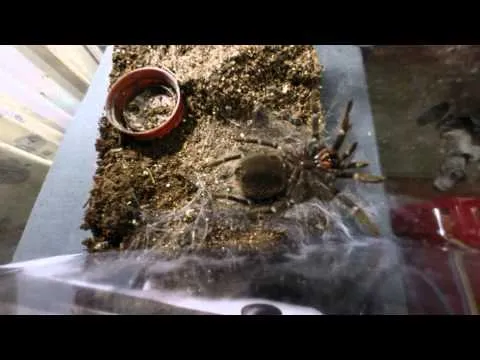
Molting is a fundamental biological process for tarantulas, crucial for their growth and survival. It’s the way these arachnids shed their old exoskeleton, allowing them to increase in size and replace damaged or worn body parts. Understanding the molting process and how to care for your tarantula during this time is essential for ensuring its health and longevity. This guide will provide you with all the information you need to recognize the signs of an impending molt, prepare your tarantula’s environment, and provide the appropriate care to help them through this important life stage.
Spotting the Signs of a Molting Tarantula
Recognizing the signs that your tarantula is about to molt is key to providing the best possible care. These signs often appear weeks or even months before the actual molting process begins. Paying close attention to your tarantula’s behavior and appearance will help you prepare appropriately. Early detection of these signs gives you ample time to adjust the enclosure and ensure a stress-free environment, which is crucial for a successful molt. By observing your tarantula closely, you can anticipate the molting event and support your pet through this vulnerable period.
Changes in Appearance
One of the first indicators of an upcoming molt is often a change in the tarantula’s appearance. The abdomen may appear darker or more translucent, and the tarantula’s overall color may seem duller. You might also notice that the skin between the segments of the abdomen becomes stretched and thin. As the molt approaches, the tarantula’s exoskeleton may also look noticeably different, sometimes with a slightly swollen appearance. These changes are because a new, softer exoskeleton is forming underneath the old one, preparing to shed. Observe these subtle changes over time to anticipate the molt accurately. Image: tarantula-appearance-change.webp
Behavioral Changes

Along with physical changes, behavioral shifts are significant indicators of an impending molt. Tarantulas typically become less active and may spend more time hiding or staying in one spot. They often stop eating, which is a clear sign that they are preparing for the molt, as they cannot eat during this vulnerable period. Some tarantulas may also seal themselves off in their burrows or web retreats. Recognizing these behavioral changes is essential for knowing that your tarantula is getting ready to molt, allowing you to make necessary adjustments to their environment and feeding schedule. Image: tarantula-behavior-change.webp
Preparing for the Molt
Preparing the enclosure is a critical step in supporting your tarantula during the molting process. A well-prepared environment minimizes stress and provides a safe space for the tarantula to molt successfully. This involves adjusting the humidity and temperature, ensuring there’s adequate substrate for burrowing (if applicable), and removing any potential hazards from the enclosure. A calm, secure environment greatly increases the chances of a smooth molt. Careful preparation reduces the risks associated with molting and promotes the tarantula’s health and well-being throughout this vulnerable period.
Creating the Right Environment
The ideal environment is crucial for a successful molt. The enclosure should be clean and free of any potential hazards, such as sharp objects or items that could injure the tarantula. Providing ample substrate, such as coconut fiber or peat moss, is important as it helps the tarantula to burrow or create a secure space. If your tarantula is a burrowing species, ensure that the substrate is deep enough for them to dig. The enclosure should be kept stable without any vibrations or disturbances, which can stress the tarantula during the molt. Image: tarantula-habitat-setup.webp
Maintaining Humidity and Temperature

Maintaining the correct humidity and temperature levels is essential. Use a hygrometer to monitor humidity, and adjust as needed. Humidity levels should be appropriate for your tarantula’s specific species. Too little humidity can lead to a failed molt, while too much can cause other health issues. The temperature should also be within the appropriate range for the tarantula’s species. Consistent and stable environmental conditions help the tarantula molt without any complications. Regularly misting the enclosure (if needed) and ensuring proper ventilation are crucial for achieving the correct humidity levels.
Providing a Safe Space
During the molt, it is important to provide a safe, undisturbed space for the tarantula. Avoid handling or disturbing the enclosure during this time. Reduce any potential stressors, such as loud noises or sudden movements near the enclosure. If your tarantula has a hide, ensure it is easily accessible and provides a sense of security. Create a calm and secure environment to help minimize stress and maximize the chances of a successful molt. A safe space can significantly improve the chances of the tarantula emerging healthy and without complications.
The Molting Process
The molting process is a fascinating and vulnerable time for tarantulas. Understanding what happens during the molt can help you to remain calm and avoid any unnecessary interventions. The molting process involves the tarantula shedding its old exoskeleton and emerging with a new, softer one. During this period, the tarantula is particularly vulnerable to injury and stress. Being aware of the stages of the molt and what to expect will help you avoid disrupting the process and support your tarantula.
The Tarantula on Its Back

One of the most dramatic stages of the molting process is when the tarantula flips onto its back. This position is essential for the tarantula to shed its old exoskeleton. Once on its back, the tarantula will begin to work its way out of its old skin. This process can take anywhere from a few minutes to several hours, depending on the size and age of the tarantula. It’s important to avoid disturbing the tarantula during this crucial period. Any unnecessary disturbance can interfere with the molt and lead to complications, so observe from a distance and let the tarantula do its work. Image: tarantula-molting-process.webp
The Actual Molt
During the actual molt, the tarantula will begin to work its way out of its old exoskeleton. This is a physically demanding process that can take a significant amount of time. The tarantula will move and wriggle, working its way out of the old skin. You may notice the old exoskeleton splitting open, revealing the new, softer exoskeleton underneath. The tarantula is very vulnerable at this stage. Once the old exoskeleton is shed, the tarantula will rest and allow its new exoskeleton to harden. It is crucial to resist the urge to help the tarantula, as any interference can be harmful.
Post-Molt Care
Once the molting process is complete, your tarantula will need proper care to recover and thrive. The newly molted tarantula has a soft exoskeleton that needs time to harden. It is essential to provide the right conditions, including a safe and undisturbed environment, proper humidity, and careful feeding. Understanding the post-molt care requirements can help ensure your tarantula fully recovers and remains healthy. Providing the right conditions during the recovery phase will ensure the tarantula’s continued well-being.
Feeding After Molting
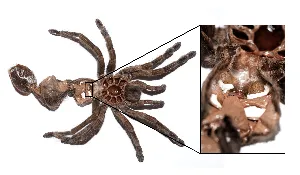
Avoid feeding your tarantula immediately after molting. The new exoskeleton is soft and vulnerable, and the tarantula may not be ready to eat. Wait until the tarantula’s fangs have hardened, usually several days to a week, depending on the tarantula’s size and age. Then, offer a small meal, such as a small cricket or mealworm. Carefully observe your tarantula to ensure it is eating without any issues. Overfeeding or providing overly large prey should be avoided. Regular feeding habits can resume after the tarantula has successfully eaten and the exoskeleton has hardened. Image: tarantula-post-molt-feeding.webp
Reintroducing the Tarantula to Its Habitat
After molting, it’s important to ensure that the tarantula re-establishes its normal behavior within its habitat. Make sure the environment is clean and that there are no potential hazards. Avoid any unnecessary handling or disturbances in the days following the molt to allow the tarantula to settle in. Monitor the tarantula’s behavior to ensure it is moving, eating, and interacting with its surroundings. It’s crucial to continue maintaining appropriate humidity, temperature, and cleanliness. If the tarantula resumes its normal behavior, it is a clear sign of its successful recovery.
Common Problems During Molting
While molting is a natural process, complications can sometimes occur. Understanding potential issues and what causes them can help you address problems promptly and effectively. The most common problems include drying out and stuck molts. Being prepared to address these issues is crucial to safeguarding your tarantula’s well-being. By understanding and preparing for these situations, you can greatly improve the outcome if your tarantula experiences these problems during a molt.
Drying Out
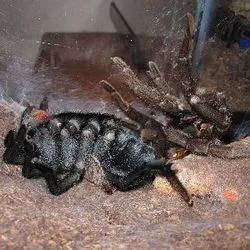
If the humidity in the enclosure is too low, a tarantula can dry out during the molting process. This can lead to a failed molt and possibly death. Signs of drying out include a shriveled appearance or difficulty shedding the old exoskeleton. To prevent this, maintain proper humidity levels. If your tarantula seems to be drying out, you can try misting the enclosure or adding more moisture-retaining substrate. Early intervention can help, but if the molt is already underway, the situation can be very difficult. Careful monitoring of humidity levels and acting promptly can significantly reduce the risk of dehydration during a molt. Image: tarantula-dry-molt.webp
Stuck Molt
A stuck molt occurs when the tarantula cannot fully shed its old exoskeleton. This can be due to a variety of factors, including low humidity, poor health, or injury. A stuck molt can be fatal, as it can restrict the tarantula’s movement and lead to infection. If you notice a stuck molt, carefully assess the situation. In some cases, you may be able to help by gently misting the tarantula or increasing the humidity. Never forcefully remove the old skin, as this could severely injure your tarantula. If the situation is severe, it is advisable to consult a veterinarian experienced in exotic animals. Image: tarantula-stuck-molt.webp
Conclusion
Molting is a vital process in the life of a tarantula, and understanding how to spot the signs, prepare for the molt, and provide proper care is crucial to your pet’s well-being. By being attentive to your tarantula’s needs and the environment you provide, you can ensure the molting process goes smoothly and successfully. Your diligence in observing, preparing, and reacting accordingly will significantly contribute to your tarantula’s long, healthy life. With knowledge and careful observation, you can help your tarantula thrive through this essential stage of its life cycle.