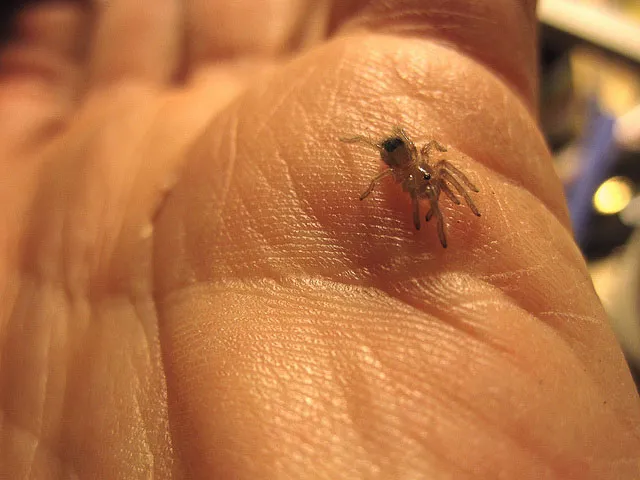
Mt Diablo State Park, a stunning natural area, becomes the stage for a remarkable event each year: the Mt Diablo Tarantula Season. This period offers a unique opportunity to witness the vibrant lives of these fascinating creatures. The tarantulas, known for their impressive size and distinctive appearance, embark on a journey that captivates visitors and wildlife enthusiasts alike. Understanding the tarantula season enhances your appreciation of this annual spectacle and its place in the local ecosystem. This blog post uncovers five amazing facts about the Mt Diablo tarantula season, providing insights into the tarantulas’ behavior, mating rituals, and the best ways to observe them safely. Prepare to be amazed by the wonders of these creatures and the environment they inhabit.
What is the Mt Diablo Tarantula Season?
The Mt Diablo tarantula season is the time of year when male tarantulas become most active, venturing out in search of mates. This typically occurs in the late summer and early fall, when the weather conditions are ideal. During this period, the park’s trails and open spaces become a focal point for the tarantulas’ movements. The phenomenon provides an exceptional opportunity to observe these normally reclusive spiders in their natural environment. It offers visitors a unique chance to witness a natural spectacle, highlighting the diverse wildlife that thrives in the Mt Diablo State Park ecosystem. During the season, the park’s trails offer a fascinating glimpse into the lives of these creatures.
Understanding the Tarantula Species
The tarantulas found in Mt Diablo are primarily the California tarantula (Aphonopelma californicum). They are among the largest spiders in North America, known for their dark, hairy appearance and impressive size. Female tarantulas can live for decades, while males typically have a shorter lifespan, often only living for a few years. These spiders are not aggressive, but they can bite if threatened. They play a vital role in the ecosystem by controlling insect populations. The male tarantulas are the most visible during this season, as they actively search for females. The California tarantula is a crucial part of the local biodiversity, and understanding their life cycle and behavior is key to appreciating this annual event. These creatures are a natural wonder, and learning about them brings understanding of their role.
When Does Tarantula Season Start?

The Mt Diablo tarantula season typically begins in late August and continues through October, peaking in September. The exact timing can vary slightly each year, depending on weather conditions such as temperature and rainfall. The season is initiated when the male tarantulas reach maturity and begin their search for mates. This period is marked by an increase in tarantula sightings on the trails and in open areas. The timing provides the best opportunity to observe their behaviors. The ideal conditions during the season provide an engaging experience. Planning your visit around this period gives you the best chance to witness the tarantulas in action.
Peak Season Viewing Times
The best times to spot tarantulas during the season are typically during the late afternoon and early evening, when they are most active. This is when the males are most likely to be on the move, searching for receptive females. Observing them during these times gives the best chance of viewing their behavior. The trails and open areas should be explored at these times. It is important to be patient and observant, as the tarantulas can be well-camouflaged. The ideal viewing conditions maximize the chance of an encounter. Being aware of the best times increases your chances of seeing these amazing creatures.
Amazing Fact 1 Tarantula Behavior
During the mating season, male tarantulas abandon their burrows and set out on a quest to find a mate. This journey can be quite extensive, with males traveling several miles in search of a female. The males are driven by instinct, seeking to pass on their genes. Their journey often involves crossing trails, roads, and other obstacles, making them more visible to humans. This behavior contrasts sharply with their normal, reclusive lifestyle. During this time, the males must brave the elements and dangers of the open environment. The males’ commitment to this mission is impressive and is a highlight of the season.
The Male Tarantula’s Journey
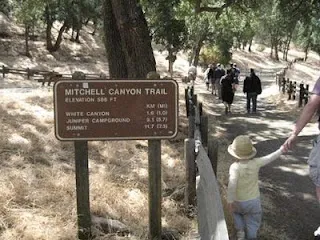
The male tarantula’s journey is a crucial part of his life cycle, driven by the biological imperative to reproduce. After reaching maturity, the male spider leaves his burrow, typically in late summer or early fall. He then sets out to find a mate, often traveling considerable distances. During this search, the male spider uses silk to create a trail. These trails enable him to navigate and find his way back if needed. During the journey, the male spider must brave potential predators, such as birds or larger spiders. The journey highlights the male’s drive to contribute to the next generation, making it a fascinating part of their biology.
Why Do Males Venture Out?
Male tarantulas venture out to find a mate due to biological instincts. Once they reach maturity, males initiate the search for a female to reproduce. This quest is the core of their life’s purpose. The males actively seek out females who are ready to mate. This quest involves the risk of being exposed to dangers. The journey is essential for tarantula population growth. This drive underscores the natural processes that drive this spectacular event. It’s an essential component of their lifecycle and the continuation of the species.
Amazing Fact 2 Mating Rituals
The mating rituals of tarantulas are complex and intriguing. When a male tarantula finds a female, he approaches cautiously, performing a courtship dance to signal his intentions and assess her receptiveness. This dance involves vibrating his legs and tapping on the ground, actions which serve to communicate with the female. If she is receptive, the male inserts his pedipalps (specialized appendages) to transfer sperm. These rituals ensure the survival of the species. The mating rituals highlight the intricate balance of the animal kingdom. The process is a vital part of their life cycle, showcasing the elegance of nature.
The Courtship Dance
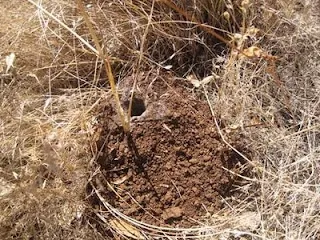
The courtship dance is the male tarantula’s way of communicating with a potential mate. The male approaches the female slowly, using his pedipalps and legs to send vibrations to the female. The dance is a critical part of the mating process. It allows the male to assess the female’s willingness to mate, avoiding aggression. This dance is usually accompanied by tapping and leg movements, sending signals to the female. The courtship dance is a testament to the sophistication of these creatures. The courtship ritual is a fascinating behavior.
Post-Mating Challenges
After mating, the male tarantula faces considerable challenges. He must quickly escape the female to avoid being eaten, as females are known to cannibalize males. The male’s survival depends on swift departure. The males often die shortly after mating due to exhaustion or predation. The post-mating phase highlights the harsh reality of nature. The challenges underscore the risks that male tarantulas face. This stage of the process illustrates the delicate balance of the tarantula’s life cycle. The male’s life expectancy is generally shorter after reproduction.
Amazing Fact 3 Spotting Tarantulas
Spotting tarantulas during the season requires patience and a keen eye. The best places to look are trails, open areas, and around rock formations, where they may be moving or resting. Observe the ground carefully, as tarantulas can blend in with their surroundings. The best viewing times are during late afternoon and early evening. Walking slowly and quietly increases your chances of spotting them. Bringing binoculars can help with identifying them from a distance. Seeing these impressive creatures in their natural environment is a rewarding experience. Proper observation will increase your chance of a sighting.
Best Locations for Viewing

Several locations within Mt Diablo State Park are ideal for viewing tarantulas. The trails in the lower elevations of the park are particularly good, as tarantulas are often found crossing these paths. Open areas, such as meadows and grasslands, are also prime viewing locations. The best spots include areas around rock formations, where they may be resting or seeking shelter. Exploring these areas increases your chance of encountering these amazing spiders. Visitors should explore the areas carefully. Focusing on these locations will improve the chances of spotting a tarantula. The park offers numerous vantage points for this experience.
What to Bring for Viewing
To maximize your viewing experience and ensure your safety, you should bring several essential items. Sturdy shoes or hiking boots are recommended. Binoculars are also useful for observing tarantulas from a distance. Bringing a flashlight is helpful, especially if you are out during the evening or early morning. Remember to bring water and snacks, especially if you plan on a longer hike. A camera is a great tool to document your observations. Being prepared ensures you have a safe and enjoyable experience. Proper preparation contributes significantly to a memorable visit.
Amazing Fact 4 Safety Guidelines
While tarantulas are generally not aggressive, it is important to follow safety guidelines during the Mt Diablo tarantula season. Maintain a safe distance from the tarantulas. Avoid handling or provoking them. Tarantulas can bite if they feel threatened. If you encounter a tarantula, observe it from a distance and avoid sudden movements. Be aware of your surroundings and watch for potential hazards, such as uneven terrain. These precautions ensure a safe and respectful experience. Following safety guidelines is essential for all visitors. Ensuring your safety guarantees a pleasant encounter with these amazing creatures.
Avoiding Hazards

When observing tarantulas, be aware of potential hazards. Watch where you are walking to avoid tripping or stepping on a tarantula. Be careful when walking on trails, as tarantulas may be crossing. Stay away from the edges of trails, as they may be nesting areas for the tarantulas. Children should be supervised at all times. Awareness of these hazards contributes to a safer experience. Staying aware allows visitors to experience the season safely. Being cautious contributes to a pleasant visit.
Respecting the Tarantulas
Respecting the tarantulas and their habitat is crucial during the viewing season. Avoid disturbing them or their natural behavior. Refrain from touching or handling the tarantulas. Avoid making loud noises or sudden movements. Leave no trace behind, and pack out everything you bring in. This respect ensures that the natural balance of the ecosystem is maintained. Respecting the tarantulas guarantees their safety and allows visitors to continue enjoying this natural wonder. Respecting these creatures is an important aspect of responsible viewing.
Amazing Fact 5 The Ecosystem Impact
Tarantulas play an essential role in the Mt Diablo ecosystem. They are both predators and prey, influencing the balance of the food web. Their presence helps control the populations of various insects. They are also a food source for other animals, such as birds and lizards. Understanding their role contributes to a deeper appreciation of the natural world. Protecting their habitat is a key factor in ecosystem health. Appreciating their role is important for environmental preservation. The tarantulas’ impact highlights the delicate balance within the environment.
Role in the Food Chain

Tarantulas are a vital part of the food chain in Mt Diablo State Park. As predators, they control the population of insects. They are prey for larger animals, such as birds and reptiles. Their position in the food chain helps maintain the balance of the ecosystem. Understanding their role highlights the interconnectedness of life. Their role underscores the importance of biodiversity. Their contributions ensure the health of the environment.
Contribution to the Environment
The tarantulas contribute to the environment by regulating insect populations. They help to maintain the health of the local ecosystem. Their burrows provide shelter for other animals. They are also a source of nutrients. The tarantulas’ contribution is essential for maintaining a healthy environment. Their impact highlights the importance of biodiversity. Their presence ensures the well-being of the entire ecosystem. The tarantulas play an important role in the local environment.
In conclusion, the Mt Diablo tarantula season is a remarkable natural phenomenon that offers a unique glimpse into the lives of these fascinating creatures. The five amazing facts highlighted in this post provide a deeper understanding of their behavior, mating rituals, and the importance of their role in the ecosystem. By following safety guidelines and respecting their habitat, visitors can enjoy this extraordinary event while contributing to the preservation of this natural wonder. Make plans to experience the Mt Diablo tarantula season for yourself. The season presents a fantastic opportunity for exploration and appreciation of nature. This spectacle offers an engaging learning experience for all.