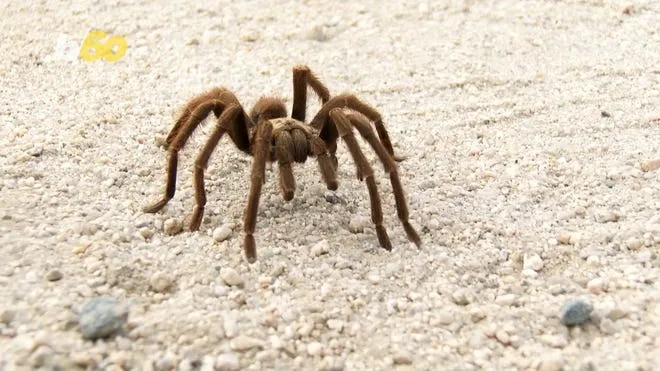
Oklahoma Tarantula Mating Season: An Overview
Oklahoma’s diverse ecosystems provide a fascinating backdrop for observing nature’s wonders, and the tarantula mating season is no exception. This annual event is a captivating spectacle, drawing the attention of wildlife enthusiasts and nature lovers alike. During this period, usually occurring in the late summer and early fall, the normally solitary tarantulas become active, driven by the primal urge to reproduce. Understanding this phenomenon offers a unique glimpse into the lives of these often-misunderstood creatures. The mating season is a crucial part of the tarantulas’ life cycle, ensuring the continuation of their species in the state. It is also a time when these usually elusive spiders are more visible, offering a rare opportunity to observe their behaviors in their natural habitat.
When Does Tarantula Mating Season Occur in Oklahoma
The tarantula mating season in Oklahoma typically takes place from late summer through early fall, usually spanning from August to October. During this time, the weather conditions are ideal for the spiders’ increased activity. This is the period when male tarantulas, in particular, become highly mobile, actively seeking out females to mate with. The timing of the mating season is heavily influenced by environmental factors, primarily the weather and availability of food. Understanding the seasonal patterns helps observers plan their outings to witness this natural event, offering a deeper appreciation for Oklahoma’s diverse wildlife and the intricate balance of its ecosystems. The specific dates can vary slightly depending on the year’s climatic conditions, with warmer temperatures potentially advancing the season and cooler temperatures delaying it.
Factors Triggering Mating Behavior

Several key factors trigger the mating behavior in Oklahoma tarantulas, with both weather and environmental conditions playing crucial roles. These factors create the optimal circumstances for these spiders to begin their mating rituals, influencing when the season begins and how long it lasts. The convergence of these conditions is essential for successful mating and the survival of the species. Understanding these triggers helps in predicting and observing the mating season, making the experience even more rewarding for wildlife enthusiasts. The delicate balance of these environmental signals demonstrates nature’s complexity and the importance of preserving these natural habitats.
Weather Conditions
Weather conditions are a primary trigger for the tarantula mating season in Oklahoma. Specifically, the shift from the hot, dry summer months to the cooler, more humid conditions of late summer and early fall acts as a signal. The reduced daytime temperatures and the increased moisture in the air create a favorable environment for tarantulas to become active. Moderate rainfall can also stimulate activity, as it softens the ground and makes it easier for the spiders to move around. These weather patterns influence the tarantulas’ internal biological clocks, prompting them to begin their mating behaviors. The spiders are most active in the evenings and early mornings when the weather is most conducive to their activities. Temperature is also a key element; cooler nights encourage tarantulas to venture out and search for mates.
Environmental Factors
Environmental factors, beyond weather, also play a significant role in initiating the tarantula mating season. The availability of food and the overall habitat conditions influence the tarantulas’ readiness to mate. A plentiful food supply ensures that the spiders are in good physical condition, which is essential for the demanding mating rituals. The presence of suitable habitats, such as burrows or areas with adequate cover, provides the spiders with places to establish themselves and mate safely. The absence of harsh conditions or disturbances, such as wildfires or human interference, also contributes to a successful mating season. Environmental health is therefore essential for the well-being of the tarantula population. This interaction between food availability, habitat quality, and the absence of disturbances creates a setting where the mating season is most likely to be productive and successful.
Identifying Oklahoma Tarantulas

Identifying the tarantulas of Oklahoma is a key part of observing their mating season, as it enables a deeper understanding and appreciation of these creatures. The state is home to several species of tarantulas, with the Oklahoma brown tarantula (Aphonopelma hentzi) being the most commonly observed. Learning to distinguish between males and females is particularly important during the mating season, as their behaviors and appearances differ significantly. Proper identification is essential for anyone interested in observing and documenting tarantula behavior, contributing to a better understanding of their lives. This knowledge enhances the observation experience and helps in appreciating the beauty and complexity of Oklahoma’s biodiversity.
Male Tarantulas
Male tarantulas in Oklahoma are typically smaller and more slender than females. During the mating season, males develop distinctive features to attract females. They become highly mobile, often wandering far from their burrows in search of mates. These males have noticeably longer legs, which they use to locate and approach females. Another defining characteristic is the presence of mating hooks on their pedipalps, which they use to hold the female’s fangs during mating. Their overall appearance changes significantly when they reach maturity, becoming more vibrant in color. The primary goal of the male is to mate and pass on their genes, and their behavior is completely geared toward this objective. They are more readily spotted during the mating season, making them a common sight for those exploring the state’s natural areas.
Female Tarantulas
Female tarantulas in Oklahoma are generally larger and more robust than males. They typically remain within their burrows, where they wait for potential mates to find them. Their primary role is to lay eggs and raise their offspring. Unlike the males, females do not undergo drastic physical changes during the mating season, though they will exhibit behaviors that signal their readiness to mate. These females often have a darker, more subdued coloration, which helps them to camouflage themselves in their environment. The female’s lifespan can be considerably longer than the males, providing the opportunity to produce multiple clutches of eggs. They are the foundation of the tarantula population, and their health and well-being are crucial to the species’ survival. Observing females during the mating season often involves carefully looking near their burrows.
The Mating Ritual of Oklahoma Tarantulas

The mating ritual of Oklahoma tarantulas is a complex, fascinating process that showcases the remarkable behaviors of these creatures. This event is a crucial part of their life cycle, with the courtship dance and mating process involving specific actions and interactions between the male and female. Understanding this ritual provides insight into the tarantulas’ social structure and the intricate behaviors they employ to ensure successful reproduction. Observing the mating ritual is a rare and rewarding experience, allowing for a deeper appreciation of these often-misunderstood spiders.
The Courtship Dance
The courtship dance is the first phase of the tarantula mating ritual. A male tarantula approaches the female’s burrow and begins a series of movements to entice her to mate. This dance involves specific tactile and visual displays. The male will often tap or drum his pedipalps and legs on the ground or the entrance of the female’s burrow, producing vibrations that communicate his presence and intentions. These vibrations are essential to the courtship. The male tarantula will sometimes wave his legs or perform other visual displays to attract the female’s attention. This courtship is a critical stage of the mating process, as the male needs to convince the female to accept him. The success of the courtship greatly influences the potential for successful mating. The entire dance is a display of instinct and survival, driven by the need to propagate the species.
The Mating Process
If the female is receptive, the mating process begins. The male approaches the female, and they engage in a careful interaction, where he uses his mating hooks to secure the female’s fangs and prevent being eaten. The male deposits sperm onto the female’s epigastric furrow (the underside of her abdomen). The duration of the mating process varies, but it is usually a brief encounter. After mating, the male must quickly retreat to avoid being attacked and potentially eaten by the female. The female then retreats to her burrow to lay her eggs. The entire process showcases the complex interplay of behaviors and instincts necessary for reproduction in this species. After the mating process, the male’s life is often short, while the female will go on to protect her eggs and raise her young. This careful interaction between male and female ensures the continuation of the tarantula population.
Mating Challenges and Threats

The mating season presents numerous challenges and threats for Oklahoma tarantulas, particularly for the males. These challenges can significantly impact the survival rates of both the males and the species as a whole. Understanding these challenges is essential for appreciating the risks these spiders face during this vital period. From predators to the actions of humans, the dangers are many, influencing the success of the mating season and the ongoing sustainability of the tarantula population. These challenges highlight the delicate balance that the tarantulas must navigate to survive and reproduce, thus ensuring the continuation of their lineage.
Predators and Dangers
During the mating season, tarantulas face several predators and other dangers. Males, in particular, are vulnerable as they wander in search of females. Predators such as birds, coyotes, and other larger animals may prey upon them. Additionally, during the mating process, the males risk being attacked and eaten by the females if the mating goes wrong. Environmental factors also pose threats, including harsh weather conditions, which can make it difficult for tarantulas to find food and shelter. The very act of mating can be a perilous undertaking, demonstrating the challenges these spiders face. These dangers highlight the harsh realities of their environment and the constant struggle for survival that these creatures experience.
Human Impact
Human activities can also have a considerable impact on the tarantula mating season. Habitat destruction, due to urbanization or agriculture, reduces the space where tarantulas can live and reproduce. The use of pesticides can also harm the spiders or their food sources, disrupting the ecosystem. Furthermore, collecting tarantulas for the pet trade, or from curiosity, reduces the population and interferes with the mating process. It is important to minimize human impact on the habitats and activities of the tarantulas. Conservation efforts, such as preserving their habitats and educating the public, are essential for the long-term survival of the tarantula population in Oklahoma. Responsible interaction with wildlife ensures that future generations can enjoy and appreciate these fascinating creatures.
Where to Observe Tarantulas in Oklahoma

Observing the tarantula mating season in Oklahoma can be a rewarding experience, but it requires some knowledge about the best locations. Certain areas in the state are known to have higher concentrations of tarantulas and are ideal for spotting them. These areas often provide the right habitat conditions for the spiders to thrive. Planning a trip to these areas can significantly increase the chances of witnessing tarantula activity. Understanding the right locations makes the observation experience more rewarding. It also allows for a better understanding of the natural distribution and behavior of the species in the state.
Best Locations
Several locations in Oklahoma are known for their tarantula populations. These areas include specific state parks, wildlife refuges, and natural areas. The open grasslands and wooded areas of the western and central parts of Oklahoma are often the best spots. The Wichita Mountains Wildlife Refuge is known for its tarantula population. Other good places include areas with native prairie or areas with rocky terrain, as these environments provide the ideal habitat for tarantulas to build burrows. When planning a visit, it is important to research the area. The best time to visit these areas is in the late evening or early morning when tarantulas are most active. Always check local park guidelines and conditions before planning your trip.
Safety Precautions
When observing tarantulas in Oklahoma, it’s important to take safety precautions to ensure a safe and enjoyable experience. Keep a safe distance from the spiders; while tarantulas are generally not aggressive, they can bite if they feel threatened. Wear appropriate clothing, including long pants and closed-toe shoes, to protect yourself from potential bites or contact with other hazards. Avoid handling the tarantulas. Also, be aware of your surroundings. Watch out for other wildlife, such as snakes. It is also advisable to let someone know your location and expected return time. By following these precautions, you can safely observe tarantulas during their mating season. Remember to respect their habitat and leave the area as you found it. This ensures a sustainable and safe observation experience for everyone.
Conclusion

The Oklahoma tarantula mating season is a remarkable natural phenomenon that highlights the state’s rich biodiversity. Understanding the factors, behaviors, and challenges associated with this event offers a deeper appreciation for these fascinating creatures. From the triggers that initiate the mating season to the rituals they engage in, the tarantula life cycle is a testament to the intricate balance of nature. Whether you are a seasoned wildlife enthusiast or a curious observer, the tarantula mating season provides a rare opportunity to witness the wonders of the natural world. Observing these events while respecting their habitats is vital for ensuring the long-term survival of the tarantula population and preserving Oklahoma’s unique ecosystems for generations to come. The more we learn about these creatures, the greater our appreciation for the wild.