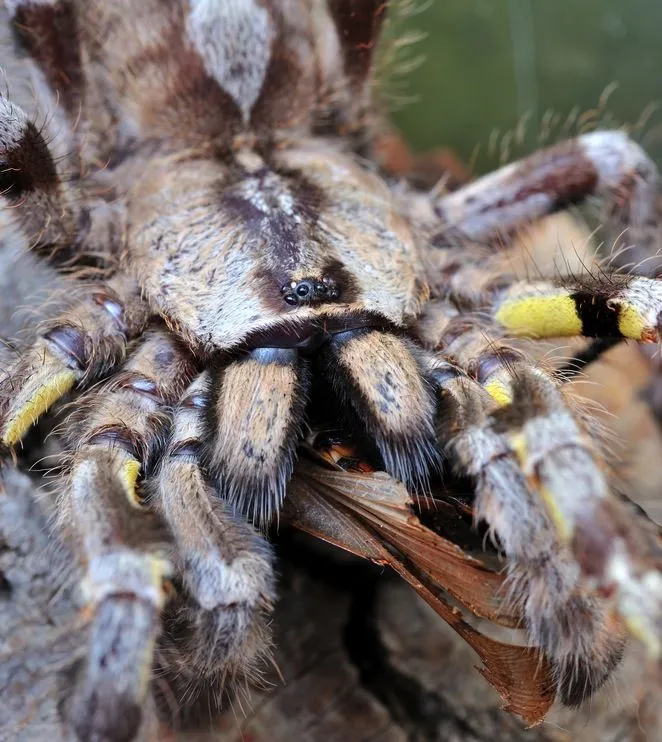
What Causes Tarantula Bites Pain
Understanding the mechanisms behind tarantula bites pain is crucial for effective management and prevention. The pain experienced after a tarantula bite is a complex result of various factors, including the composition of the venom, the physical trauma of the bite itself, and the body’s inflammatory response. Tarantula venom, while not typically lethal to humans, contains a cocktail of substances that contribute to the discomfort. This section will delve into the specific components and processes that cause pain when a tarantula bites a human, offering a comprehensive understanding of the biological factors at play.
Venom Composition
The venom of a tarantula is not a single substance but a complex mixture of proteins, enzymes, and other compounds designed to subdue prey. These components work synergistically to cause pain, inflammation, and sometimes localized tissue damage. Understanding the basic composition of the venom is essential to understanding why tarantula bites lead to pain.
Toxins Present

Tarantula venom contains various toxins, including neurotoxins and other compounds that disrupt cellular function. Neurotoxins are particularly relevant because they directly affect the nervous system, causing pain signals to be transmitted to the brain. These toxins can bind to specific receptors in the nerves, causing them to fire inappropriately and leading to sensations of pain, burning, or itching. Other toxins present can cause inflammation and localized tissue damage, which contributes to the overall pain experience. The precise mix of toxins varies between different tarantula species, which is one reason why the intensity and nature of the pain can differ.
Enzymes Involved
Enzymes in tarantula venom play a significant role in facilitating the spread of the venom and causing tissue damage. These enzymes can break down proteins and other cellular components, causing local tissue destruction. This breakdown of tissue can cause pain, swelling, and redness at the bite site. The presence and activity of various enzymes, such as hyaluronidase, contribute to the rapid spread of venom through tissues. Understanding the function of these enzymes helps in recognizing how tarantula bites lead to the inflammatory processes and localized pain often experienced.
How the Bite Causes Pain
The pain from a tarantula bite is multifaceted, arising from the physical act of the bite, the injected venom, and the body’s reaction. This process involves both mechanical and chemical aspects, including the immediate effects of the bite and the subsequent biological cascades that result in the sensation of pain.
Mechanical Injury

The physical act of a tarantula bite itself causes some degree of mechanical injury. The tarantula’s fangs pierce the skin, creating a puncture wound. The size and depth of the wound can vary based on the tarantula species and the size of the individual, and the force behind the bite. This initial physical trauma triggers nerve endings, leading to immediate pain and discomfort. The severity of the mechanical injury, although usually minor, plays a role in the overall experience of the bite, with potential for subsequent inflammation.
Neurotoxin Effects
Neurotoxins in the venom target the nervous system, interfering with nerve signal transmission. These toxins can bind to sodium channels and other receptors in nerve cells, causing them to fire inappropriately or become hypersensitive. This disruption of nerve function leads to the perception of pain. The effects can vary from localized burning or stinging to a more widespread sensation depending on the specific neurotoxins present and the amount injected. Neurotoxins are a major contributor to the sharp, often intense, pain associated with tarantula bites.
Inflammatory Response
The body’s immune system immediately responds to the venom as a foreign substance, triggering an inflammatory response. This involves the release of various chemicals, such as histamines and prostaglandins, which cause swelling, redness, and increased sensitivity to pain. Inflammation helps to isolate the venom and facilitate healing, but it also contributes to the painful experience. The inflammatory response can extend beyond the immediate bite site, potentially causing broader discomfort and prolonged pain, making it a key component of the pain cascade.
5 Shocking Facts About Tarantula Bites Pain

Here are some shocking facts about the pain caused by tarantula bites, offering insights beyond the basic understanding.
Fact 1 Pain Intensity
The pain intensity can vary widely depending on the species of tarantula. Some bites might feel like a bee sting, while others can cause sharp, burning pain. The difference in venom composition, fang size, and individual sensitivity contributes to this variance. For instance, a bite from a larger tarantula with potent venom might be considerably more painful compared to a bite from a smaller species. This highlights the importance of recognizing that not all tarantula bites cause the same level of discomfort, making individual experiences highly variable.
Fact 2 Duration of Pain
The duration of pain can range from a few minutes to several days. Factors like the amount of venom injected, the person’s sensitivity, and the effectiveness of any treatment can affect how long the pain lasts. Typically, the initial sharp pain subsides within a few hours, but a dull ache or tenderness can persist for days. Some individuals may experience lingering symptoms like muscle cramps or joint pain for an extended period after the initial bite, illustrating the range of possible experiences.
Fact 3 Variation Between Species

The type of tarantula significantly influences the pain and symptoms. Some species have bites that primarily cause localized pain and swelling, while others might produce more systemic effects, such as nausea, muscle cramps, or headaches. The venom’s composition, including the presence of specific toxins, determines the symptoms. Knowledge of the tarantula species is essential in predicting the potential severity of a bite and determining the appropriate response.
Fact 4 Allergic Reactions
Although rare, allergic reactions can occur. In some cases, individuals may develop an allergic reaction to the venom. This can manifest as hives, itching, swelling, or, in severe cases, anaphylaxis. If a person shows signs of a severe allergic reaction after a tarantula bite, immediate medical attention is crucial. This emphasizes the need to be alert for systemic reactions and to seek prompt medical care if needed.
Fact 5 Potential for Secondary Infections
Tarantula bites can introduce bacteria into the wound, increasing the risk of secondary infections. The puncture wound from the fangs can be a pathway for bacteria. Proper wound care, including cleaning the area and monitoring for signs of infection, is essential. Infections can lead to more severe health complications, making prompt medical attention and good hygiene practices critical.
Immediate Actions for Tarantula Bite Pain

When a person is bitten by a tarantula, taking immediate action is important to manage the pain and reduce potential complications. The right initial steps can minimize discomfort and aid in a faster recovery. It’s important to approach this situation with calm and a clear understanding of the steps to take.
First Aid Steps
The primary goal of first aid is to minimize the effects of the bite. Start by gently cleaning the wound. Then, apply a cold compress to help reduce swelling and pain. Keeping the bitten area at rest is also advisable to prevent further spread of the venom. Any jewelry or tight clothing near the bite area should be removed to prevent constriction due to swelling. These steps are basic but important in the immediate aftermath of a tarantula bite.
Cleaning the Wound
Gently wash the bite area with soap and water. This helps to remove any venom residue and reduce the risk of secondary infection. Avoid using harsh chemicals or scrubbing the wound. Thorough but gentle cleaning sets the foundation for proper wound care and helps prevent potential complications like infections.
Applying Cold Compress

Applying a cold compress, such as an ice pack wrapped in a cloth, can reduce swelling and numb the area. Cold can help to constrict blood vessels, slowing down the spread of venom and reducing inflammation. Apply the cold compress for 10-20 minutes at a time, several times a day. This simple method provides immediate pain relief and can minimize the impact of the bite.
Seeking Medical Attention
While most tarantula bites are not life-threatening, it’s important to know when to seek medical attention. Any symptoms of an allergic reaction, such as difficulty breathing, swelling of the face or throat, or widespread hives, require immediate medical care. If the pain is severe, the swelling is excessive, or signs of infection develop, it is also advisable to consult a healthcare professional. Seeking medical attention ensures that any complications are managed effectively and the recovery process is smooth.
When to Seek Professional Help
Consult a doctor if you experience severe symptoms, such as difficulty breathing, dizziness, or excessive swelling. Monitor the bite site for signs of infection, such as increasing redness, warmth, pus, or fever. If these signs are present, medical treatment is essential. Prompt medical evaluation will provide appropriate treatment and help prevent complications.
Possible Treatments
Treatment for tarantula bites focuses on relieving symptoms and preventing complications. The right treatment plan will depend on the severity of the bite and the specific symptoms the person is experiencing. The goal is to manage the pain, reduce inflammation, and ensure that any secondary infections are treated promptly.
Pain Relievers
Over-the-counter pain relievers, such as ibuprofen or acetaminophen, can help manage the pain. For more severe pain, a doctor might prescribe stronger pain medication. Following the correct dosage instructions and using these medications cautiously is important. Proper pain management allows the person to maintain a level of comfort and allows the body to focus on healing.
Antihistamines
Antihistamines can help to reduce itching and swelling, especially if an allergic reaction is present. These medications block the effects of histamine, a chemical released by the body during an allergic response. This can significantly improve comfort and reduce the inflammatory response. Antihistamines can be an effective addition to treatment plans for tarantula bites, decreasing the body’s reaction.
Antibiotics
If a secondary infection develops, a doctor may prescribe antibiotics. These medications help to combat bacterial infections that might arise from the bite. Complete the full course of antibiotics as prescribed to make sure the infection is entirely cleared. This is an important step in preventing further complications.
Prevention Measures
The best way to deal with tarantula bites is to prevent them altogether. This involves safe handling practices and creating a safe environment to minimize the risk of bites. Taking these measures can greatly reduce the likelihood of an encounter with a painful tarantula bite.
Handling Tarantulas Safely
Always handle tarantulas with extreme care and awareness. Avoid sudden movements that might startle the spider, and never try to grab or surprise a tarantula. Use long tongs or a similar tool when moving or interacting with the tarantula, to maintain a safe distance. Educate yourself about the species’ behavior, as some tarantulas are more defensive than others. By using careful handling techniques, one can significantly reduce the chances of getting bitten.
Creating a Safe Environment
When keeping tarantulas, design the enclosure to be secure and escape-proof. Proper enclosure design minimizes the risk of tarantulas escaping and potentially biting someone. Always keep the enclosure in a secure location where children and pets cannot access it. Ensure the enclosure is well-maintained and cleaned to prevent any risk of attracting other pests or bacteria. A controlled environment minimizes the chance of accidental bites.
Conclusion
Tarantula bites, while rarely life-threatening, can cause significant pain and discomfort. The pain is a multifaceted experience shaped by venom composition, mechanical injury, and the body’s inflammatory response. Knowing what causes the pain, the shocking facts surrounding these bites, and how to provide immediate care is crucial for those at risk. Focusing on prevention, practicing safe handling, and providing prompt medical attention, if needed, can ensure the best possible outcome. With knowledge and preparation, the impact of a tarantula bite can be minimized, leading to a swift and complete recovery.