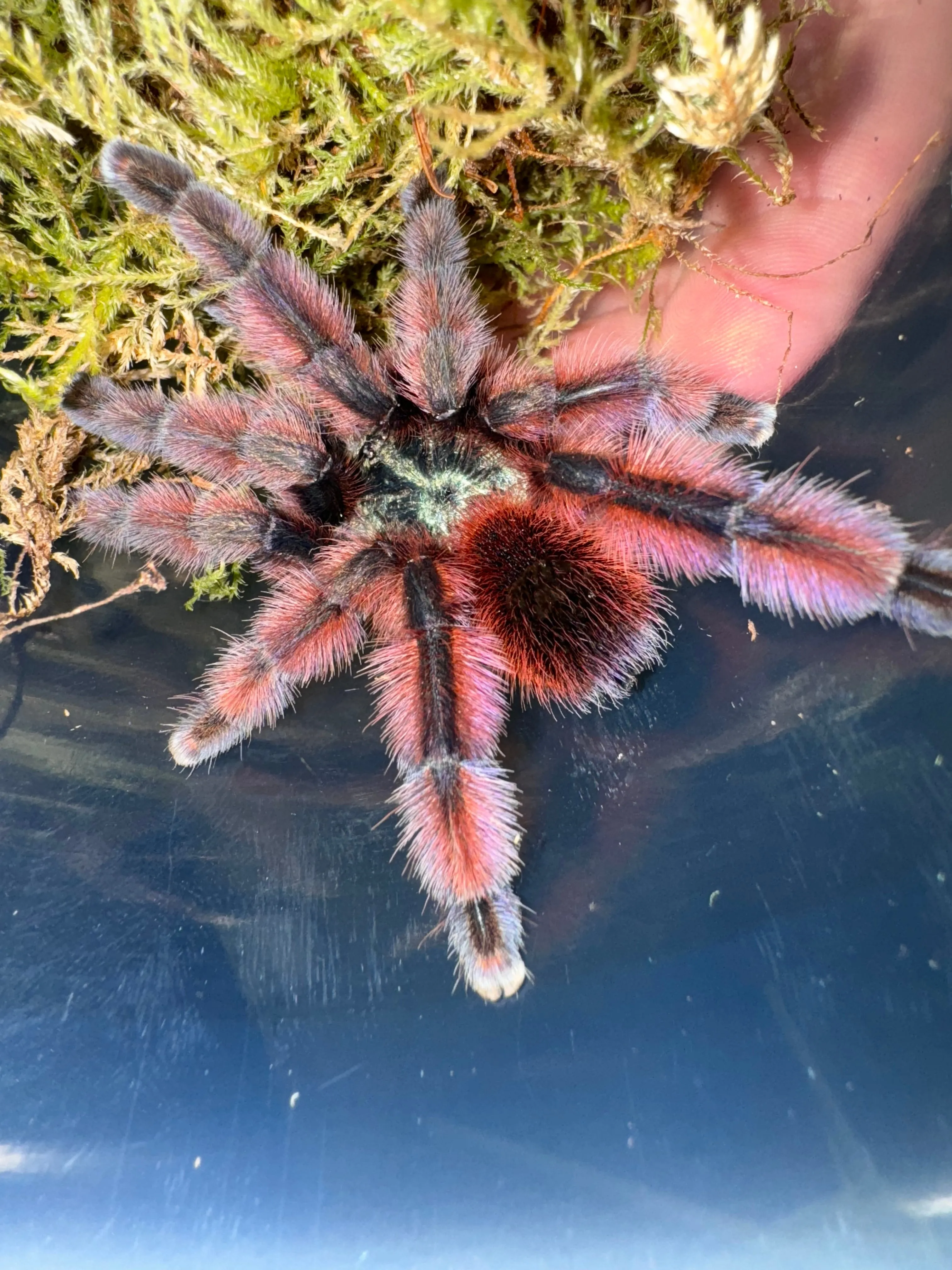
What is a Pink Toe Tarantula?
The Pink Toe Tarantula, scientifically known as Avicularia avicularia, is a captivating arboreal tarantula species that has become a popular choice among reptile and arachnid enthusiasts. Native to the rainforests of South America and the Caribbean, these spiders are prized for their striking appearance and relatively docile temperament, making them a good choice for beginner tarantula keepers. Their unique coloration, which includes a dark body and vibrant pink-tipped toes, adds to their allure. Understanding the characteristics of the Pink Toe Tarantula is crucial to assessing the cost and responsibilities associated with owning one. These tarantulas are known for their arboreal lifestyle, spending most of their time in trees, and they require specific care to thrive in captivity. Before diving into the costs, it’s important to know what makes these spiders so unique.
Appearance and Characteristics of Pink Toe Tarantulas
Pink Toe Tarantulas are immediately recognizable due to their distinctive appearance. They typically have a dark, velvety body, often black or dark gray, and the namesake pink coloration on the tips of their legs, which can range from a light pink to a vibrant magenta. As juveniles, the body coloration may be less defined, but the pink toe tips are usually visible. These tarantulas are relatively small compared to other species, with a leg span that can reach up to 5-6 inches for females, while males tend to be slightly smaller. The Pink Toe Tarantula also features prominent eyes and chelicerae, which are the mouthparts used for grasping and injecting venom. The appearance of these spiders is a significant factor in their popularity, making them visually appealing pets that can add an exotic touch to any home. Healthy specimens will display vibrant colors and exhibit an active and alert behavior, which are vital for assessing their overall well-being.
Identifying a Healthy Pink Toe Tarantula

When considering the cost of a Pink Toe Tarantula, it’s essential to assess the spider’s health. A healthy tarantula will exhibit specific characteristics that indicate its well-being. Look for a plump abdomen, which suggests it’s well-fed and hydrated. The spider should be active and alert, showing an interest in its surroundings, though they do tend to hide. The body should be free from any noticeable injuries or parasites, and the legs should be intact and fully functional. Moreover, the tarantula should have a good appetite, readily accepting food when offered. Avoid tarantulas that appear lethargic, have a shrunken abdomen, or show signs of molting problems. Observing these signs can help ensure you are getting a healthy tarantula, which will reduce the risk of unexpected veterinary costs and ensure a longer lifespan for your pet. Inspecting these details carefully is an essential part of the buying process, directly impacting the value for money.
Factors Affecting Pink Toe Tarantula Cost
The cost of a Pink Toe Tarantula can vary widely depending on several factors. Understanding these elements will help you make an informed decision and budget accordingly. From the spider’s age and size to its origin and health, each component plays a role in determining the price. Being aware of these influences will ensure that you not only purchase a healthy spider but also one that aligns with your budget and care capabilities. Some factors may also influence the long-term care costs, like the need for specific enclosures or specialized diets. Therefore, consider all aspects to plan ahead and avoid surprises.
Age of the Tarantula
The age of a Pink Toe Tarantula significantly affects its cost. Juvenile tarantulas are generally less expensive than adults. This is because they are smaller and require less food, and their overall care is less demanding. However, they are also more fragile and require a more controlled environment to ensure their survival. Adult tarantulas, on the other hand, are typically more costly. They have already passed through the more vulnerable stages of their lives and are fully developed, exhibiting their full size and coloration. While the initial investment might be higher, adult tarantulas provide immediate visual appeal and have a more predictable temperament. The price difference often reflects the increased care and time invested by the breeder. Selecting the right age depends on your experience and the level of responsibility you’re prepared to undertake. Young tarantulas may require more attention, while adults offer a more established pet experience.
Size of the Tarantula

Size and age go hand in hand when determining the cost of a Pink Toe Tarantula. The size of the tarantula, measured by its leg span, is closely related to its age, with larger tarantulas generally costing more. This price difference reflects the increased resources required to raise the spider to a larger size. Bigger tarantulas will consume more food and may necessitate larger enclosures. Breeders often price their tarantulas based on size, with larger specimens commanding higher prices. When comparing the cost of different tarantulas, consider the size and the associated costs of their care. A larger tarantula may provide a more impressive display, but it will also require a more significant commitment to maintain its health and well-being. Evaluating the size in relation to your available space and budget is essential.
Morph or Color Variations
Some Pink Toe Tarantulas may exhibit variations in their coloration, known as morphs, which can influence their cost. While the standard coloration is dark with pink toe tips, some spiders may have subtle variations in the intensity of their pink or the shade of their body. These variations are often the result of genetic traits and are highly sought after by collectors and enthusiasts. Tarantulas with unique morphs can command higher prices due to their rarity and aesthetic appeal. The demand for specific color variations will affect their cost. If you’re interested in owning a tarantula with a unique morph, be prepared to pay a premium. Always ensure that the morph is naturally occurring and not the result of artificial manipulation. Researching different morphs and understanding their characteristics will help you make an informed purchase and enjoy your pet.
Source of the Tarantula
The source from which you purchase your Pink Toe Tarantula can significantly impact its cost and health. Purchasing from reputable breeders or pet stores typically ensures a higher quality and healthier specimen, although these sources might charge more. Reputable breeders often invest more time and resources into breeding and caring for their tarantulas. They are also knowledgeable about the species and can provide valuable information on care and handling. Purchasing from online marketplaces can sometimes offer lower prices, but it’s essential to thoroughly research the seller and review their feedback. Be cautious of unverified sources, as they may not prioritize the health and well-being of their tarantulas. Consider the source’s reputation and guarantees, if any, when comparing prices. A reliable source will also offer support and guidance, which is especially beneficial for new tarantula owners.
Overall Health of the Tarantula

The overall health of the Pink Toe Tarantula is the most critical factor influencing its cost. A healthy tarantula will typically command a higher price because it is less likely to require expensive veterinary care and has a better chance of a long, healthy life. When assessing a tarantula’s health, look for signs of vitality, such as an active demeanor, a plump abdomen, and a good appetite. Avoid tarantulas that appear lethargic, have a shrunken abdomen, or show signs of parasites or injuries. The price of a tarantula should reflect its condition. Always ask the seller about the tarantula’s health history, including its molting frequency, feeding habits, and any previous health issues. Investing in a healthy tarantula initially is cost-effective in the long run. A healthy spider is not only more enjoyable to own but also less likely to incur unexpected veterinary costs.
Where to Buy a Pink Toe Tarantula
Finding a reliable source for your Pink Toe Tarantula is essential to ensure you get a healthy specimen. Several options are available, each with its pros and cons. The best place to buy will depend on your preferences, experience, and budget. Researching your options and comparing prices can help you make an informed decision and ensure you are getting a good value. Whether you are a beginner or an experienced keeper, choosing the right source is fundamental to a positive ownership experience. Factors like the seller’s reputation, the health of the tarantula, and the level of support offered can affect your satisfaction with the purchase.
Reputable Breeders and Pet Stores
Reputable breeders and pet stores are often the best places to purchase Pink Toe Tarantulas. These sources typically specialize in the care and breeding of tarantulas, offering a higher level of expertise and a greater guarantee of quality. Breeders usually have extensive knowledge about the species and can provide valuable advice on care, handling, and potential health issues. Pet stores specializing in exotic animals also often have knowledgeable staff who can help you select a healthy tarantula and provide information on its care. While the cost may be slightly higher compared to other sources, the added assurance of a healthy tarantula and the support provided can be invaluable. Look for breeders with a solid reputation, positive reviews, and a willingness to answer your questions. Visit the store or breeding facility in person to assess the conditions in which the tarantulas are kept. Ensure the seller offers health guarantees and provides support after the sale.
Online Marketplaces

Online marketplaces offer a wide selection of Pink Toe Tarantulas from various sellers. Platforms such as specialized reptile forums, social media groups, and dedicated online pet stores are common places to find tarantulas. The prices on these marketplaces can vary greatly, often lower than those offered by breeders or pet stores. However, it’s crucial to exercise caution when purchasing a tarantula online. Research the seller thoroughly by checking their reviews and ratings. Inquire about the tarantula’s health history, including its feeding habits and any previous issues. Ask for clear photos and videos of the tarantula. Ensure the seller provides a guarantee of safe arrival, especially if shipping is required. Carefully consider the shipping costs and the potential risks involved. While online marketplaces can offer competitive prices, the risks associated with purchasing from an unverified seller are considerably higher. It’s vital to prioritize the health and well-being of the tarantula and choose a seller you trust.
What to Expect When Purchasing
Purchasing a Pink Toe Tarantula involves more than just selecting a spider and paying a price. Understanding what to expect during and after the purchase is essential to ensure you are well-prepared to care for your new pet. This includes knowing the costs associated with initial setup and ongoing care. Consider the seller’s return policy, health guarantees, and the support they offer after the sale. Asking questions and gathering as much information as possible will help you make an informed decision and provide the best possible environment for your new tarantula. Taking the time to prepare will help you avoid unexpected costs and difficulties later.
Cost of Initial Setup
The initial setup costs for a Pink Toe Tarantula can vary depending on the size of the enclosure and the accessories you choose. Preparing the appropriate habitat is an important part of the overall expense. These costs include the enclosure itself, the substrate for the tarantula to live on, decorations to provide a comfortable and stimulating environment, and essential supplies like water dishes and a hide. Purchasing these items can add up, so it’s best to budget accordingly. Researching the needs of Pink Toe Tarantulas will help you create an ideal environment. Prioritizing the basic needs of the tarantula, such as a suitable enclosure and appropriate substrate, will also help minimize any potential costs related to poor health. Remember that setting up the habitat correctly from the start will contribute to the health and longevity of your tarantula.
Enclosure and Habitat

The enclosure is the most significant initial cost. Pink Toe Tarantulas are arboreal, so a vertical enclosure is necessary. A clear, well-ventilated enclosure that is tall enough to accommodate the spider is essential. The size of the enclosure depends on the size of the tarantula. For juveniles, a smaller enclosure is acceptable, while adults will require a larger one. Choose an enclosure made of glass or acrylic, with secure ventilation to prevent escape and ensure adequate airflow. The cost of an enclosure can vary significantly depending on its size and the materials used. Glass enclosures are often more expensive but may offer better visibility and durability. Acrylic enclosures are lighter and less prone to breakage. Always ensure the enclosure has a secure lid to prevent the tarantula from escaping. Before buying, research appropriate sizes for the tarantula’s age, and consider the long-term needs as your tarantula grows. Proper habitat design is crucial for the tarantula’s well-being. (pink-toe-tarantula-enclosure.webp)
Substrate and Decor
The substrate and decor are essential for creating a comfortable and stimulating environment for your Pink Toe Tarantula. The substrate is the bedding material at the bottom of the enclosure, which provides a surface for the spider to walk on, helps maintain humidity levels, and offers a place to burrow. Appropriate substrate choices include coconut fiber, peat moss, or a mix of both. These materials are absorbent, retain moisture, and are safe for tarantulas. The cost of substrate is relatively low, but it needs to be replaced regularly. Decor adds visual interest and provides hiding places for your tarantula. You can use cork bark, branches, artificial plants, and other safe materials. These items are typically inexpensive, and you can find them at most pet stores or online. Ensure the decor is non-toxic and does not have sharp edges that could injure the tarantula. Incorporating a water dish is also important to provide a source of fresh water. The substrate and decor are not only important for the tarantula’s health and well-being but also enhance the overall aesthetics of the enclosure. (pink-toe-tarantula-substrate.webp)
Food and Supplies
The initial cost of food and supplies includes the essential items needed to care for your Pink Toe Tarantula. This primarily involves live insects, such as crickets, roaches, or mealworms, which serve as the spider’s primary food source. The price of live insects can vary depending on the quantity, source, and size. Start with a small supply of insects, as tarantulas do not eat large quantities at once. You will also need feeding tongs to safely handle and offer food. Additionally, you may need a small container or dish to hold the insects, and a water dish for your tarantula to drink from. Some keepers also choose to purchase a small spray bottle to mist the enclosure, especially during molting. Budget for these items, as they are essential for the care of your tarantula. Purchasing food and supplies in bulk can sometimes help reduce the overall cost. The cost of food and supplies is ongoing, but the initial investment is relatively low. (pink-toe-tarantula-feeding.webp)
Ongoing Costs of Ownership

Beyond the initial purchase and setup, the ongoing costs of owning a Pink Toe Tarantula include the expenses associated with feeding, maintenance, and potential health care. Understanding these costs is crucial for budgeting and ensuring you can provide the best possible care for your pet. These are recurring expenses that need to be factored into your budget. Regular maintenance, such as cleaning the enclosure and replacing the substrate, contributes to your overall expenses. The health of your tarantula is also a key concern, and you must prepare for the unexpected cost of veterinary care. Being aware of these ongoing expenses will help you plan for the long-term care of your Pink Toe Tarantula.
Feeding
Feeding is a recurring cost and a vital aspect of caring for your Pink Toe Tarantula. The amount and frequency of feeding depend on the spider’s age, size, and activity level. Juvenile tarantulas require more frequent feedings than adults. Typically, Pink Toe Tarantulas eat live insects, such as crickets, roaches, or mealworms. The cost of these insects will vary depending on the source and the quantity purchased. Buying insects in bulk can sometimes reduce the cost per insect. Monitor your tarantula’s eating habits to adjust the feeding schedule accordingly. Uneaten insects should be removed from the enclosure to prevent stress for the tarantula and to avoid any potential health issues. The cost of feeding can be a significant ongoing expense, but proper nutrition is essential for the spider’s health and well-being. (pink-toe-tarantula-feeding.webp)
Maintenance and Upkeep
Maintenance and upkeep involve the regular tasks necessary to maintain a clean and healthy environment for your Pink Toe Tarantula. This includes regularly cleaning the enclosure, replacing the substrate, and providing fresh water. The frequency of cleaning will depend on the size of the enclosure, the substrate used, and the activity level of the tarantula. Cleaning the enclosure involves removing any uneaten food, molted exoskeletons, and waste. You should replace the substrate periodically, usually every few months, to maintain humidity and prevent the buildup of bacteria. Provide fresh, clean water in a shallow dish. The cost of maintenance and upkeep is relatively low, but it requires consistency and attention to detail. Having the right tools and supplies, such as a spray bottle for misting and cleaning supplies, will make the tasks easier. Performing maintenance regularly will help you ensure that your tarantula lives in a healthy environment, reducing any potential problems related to poor hygiene.
Health and Veterinary Care

While Pink Toe Tarantulas are generally hardy, occasional health issues may arise, necessitating veterinary care. These costs are unpredictable and can vary significantly depending on the nature of the problem and the type of treatment required. Look for an exotic animal veterinarian with experience in treating tarantulas. The cost of a vet visit can range from routine checkups to more specialized treatments. You should prepare a budget for potential health care costs. Preventing health problems is crucial. Maintaining a clean and appropriate environment, providing a balanced diet, and avoiding unnecessary handling will reduce the risks. Being prepared for potential health care expenses will ensure you can provide the best care for your tarantula, and it can minimize stress should a health issue occur. (pink-toe-tarantula-vet.webp)
Tips for Saving Money on Pink Toe Tarantula Care
Owning a Pink Toe Tarantula can be a rewarding experience, and there are several ways to save money without compromising the health and well-being of your pet. From smart purchasing decisions to efficient maintenance practices, the following tips can help you reduce the overall cost of ownership. Planning and being proactive about your pet’s care will help you maintain a healthy environment and reduce potential long-term costs. By being mindful of these strategies, you can enjoy the benefits of owning a Pink Toe Tarantula while managing your expenses effectively.
- Buy in bulk to reduce the cost of food and substrate
- Research and compare prices from various sources before making a purchase
- Opt for DIY options, such as making your own decorations or using readily available materials
- Maintain a clean and well-maintained enclosure to minimize the need for frequent replacements
- Prevent health problems by providing proper care and a suitable environment
- Choose a tarantula from a reputable breeder or seller to minimize the risk of future veterinary costs