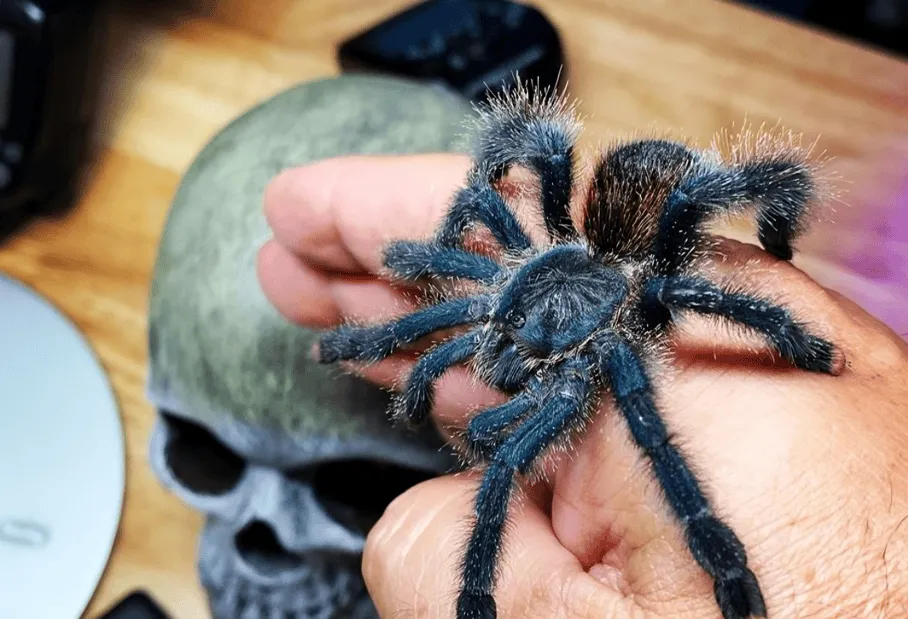
What is the Pink Toe Tarantula (Avicularia avicularia)?
The Pink Toe Tarantula, scientifically known as Avicularia avicularia, is a captivating species of arboreal tarantula, highly sought after by both novice and experienced arachnid enthusiasts. Native to the rainforests of South America, this tarantula is renowned for its docile temperament and striking appearance. Their name is derived from the distinctive pink coloration on the tips of their legs, which contrasts beautifully with their dark bodies. This species is relatively easy to care for, making them a popular choice for those new to keeping tarantulas. Understanding the Pink Toe Tarantula involves appreciating its unique characteristics, from its arboreal lifestyle to its specific environmental needs. They are not only visually appealing, but also offer an engaging pet experience, providing an interesting glimpse into the world of arachnids.
Appearance and Characteristics
Size and Physical Features

Pink Toe Tarantulas are medium-sized tarantulas, with females typically growing larger than males. Mature females can reach a leg span of up to 5-6 inches, while males are usually slightly smaller. Their bodies are covered in fine hairs, adding to their velvety texture. They have eight eyes, which they use to detect movement and light. Their bodies are divided into two main parts the cephalothorax, which houses the head and thorax, and the abdomen, which contains the internal organs. The overall appearance of this tarantula is quite striking, especially when viewed up close, due to its contrasting colors and unique physical features. Proper care and understanding of these features are essential for ensuring the well-being of the tarantula.
Distinctive Pink Toe Coloration
One of the most appealing features of the Pink Toe Tarantula is the vibrant pink coloration on the tips of their feet, from which they get their common name. This coloration can vary slightly depending on the individual tarantula and its stage of life. The pink color provides a striking contrast against the darker shades of their body, usually black or dark grey, making them visually appealing. The bright pink tips are not just an aesthetic feature; they may also play a role in their camouflage within their natural arboreal habitats. Understanding the beauty of this species is fundamental to appreciating their unique qualities, and makes them a very popular pet among tarantula enthusiasts. The pink toes are what gives this species its allure.
Lifespan and Growth
Pink Toe Tarantulas have a moderate lifespan compared to other tarantula species. Females generally live significantly longer than males. A female Pink Toe Tarantula can live for 10 to 12 years or even longer in some cases, if provided with optimal care. Males, on the other hand, tend to have a shorter lifespan, typically around 3 to 5 years. Growth in Pink Toe Tarantulas is achieved through molting, a process where they shed their exoskeletons. The frequency of molting decreases as they mature, and is more frequent in younger tarantulas. This process is crucial for their growth, but also a vulnerable time for the tarantula. Knowing the lifespan and the molting cycles can provide insights into how to care for this species.
Natural Habitat and Distribution

Where They Come From
The Pink Toe Tarantula is native to the tropical rainforests of South America. Specifically, they are found in countries such as Brazil, French Guiana, Guyana, Suriname, and parts of Venezuela. These tarantulas thrive in warm, humid environments, which are characteristic of rainforest habitats. Understanding their natural geographic distribution helps provide insights into their specific environmental needs in captivity. Their natural range highlights their adaptability to the tropical climate, including the high humidity and temperature, as well as the presence of vegetation and arboreal conditions. This species is uniquely adapted to these surroundings, and that is why replicating such an environment is essential when keeping them as pets.
Preferred Living Environments
In the wild, Pink Toe Tarantulas are arboreal, meaning they spend most of their lives in trees. They create silken retreats in tree hollows, under loose bark, or among the dense foliage. Their natural habitats are characterized by high humidity, which is crucial for their survival. They prefer to be near water sources, like streams or rivers. This tarantula species is adapted to climb, and they do not burrow. Recreating these conditions, as closely as possible, in a captive environment is essential for their well-being. This includes providing a vertical enclosure with plenty of climbing opportunities, maintaining high humidity levels, and providing hiding spots. Understanding the natural needs is crucial for providing proper care and ensuring a healthy pet.
Pink Toe Tarantula Behavior and Temperament

General Temperament
Pink Toe Tarantulas are generally considered to be docile and relatively calm tarantulas, making them a suitable option for beginners. They are not prone to biting unless provoked or threatened. They are generally more likely to run away or flick urticating hairs from their abdomen as a defense mechanism. They are most active during the evening and nighttime hours. This arboreal species spends much of their time resting and observing their surroundings. It is important to always handle them gently. With patience and care, the Pink Toe Tarantula can become a rewarding pet. This species is a great choice for those looking for an interesting and interactive pet, and the calm demeanor of this tarantula makes them even more attractive.
Defensive Mechanisms
Pink Toe Tarantulas have several defensive mechanisms they use when they feel threatened. One of their primary defense mechanisms involves flicking urticating hairs from their abdomen. These hairs are irritating to skin and eyes. They can be a deterrent to potential predators, or threats. Another defensive strategy is the threat pose, where the tarantula raises its front legs and fangs to appear larger and more intimidating. They can also quickly retreat or try to escape by running away. Understanding these behaviors is essential to handling and caring for them. The Pink Toe Tarantula is a safe and docile species, with only minor defensive behaviors.
Pink Toe Tarantula Care Guide

Housing Requirements
Proper housing is critical for the health and well-being of a Pink Toe Tarantula. A suitable enclosure should be a tall, well-ventilated terrarium, as these tarantulas are arboreal. The enclosure size should be appropriate for the size of the tarantula. A juvenile can be kept in a smaller container. As the tarantula grows, it will need a larger enclosure to accommodate its size. The enclosure should have a secure lid to prevent escapes. It should also provide climbing opportunities. The ideal housing environment replicates the tarantula’s natural habitat. This includes maintaining the right temperature and humidity. The right enclosure will ensure that the tarantula has a comfortable home.
Substrate and Decor
The substrate, or bedding, for a Pink Toe Tarantula should be a mixture that retains humidity while allowing for some air circulation. Suitable options include a mixture of coconut fiber, peat moss, or sphagnum moss. This will help to maintain the appropriate humidity levels that the tarantula needs. Decorating the enclosure is also important, to provide the tarantula with enrichment and opportunities to retreat and hide. Include cork bark, branches, and artificial plants. These additions give the tarantula climbing areas and places to hide. It can also enhance the aesthetic appeal of the enclosure. Avoid using sharp objects or materials that could harm the tarantula. The right substrate and decor provides a safe, enriching environment.
Feeding and Diet

Pink Toe Tarantulas are carnivores and primarily feed on insects. The diet should consist of a variety of insects, such as crickets, roaches, and mealworms. Feed juveniles every 2-3 days. Adults can be fed less frequently, perhaps once a week. Always remove uneaten food to prevent mold growth. Provide a shallow water dish with fresh, clean water at all times. Adjust the diet to the size of the tarantula. Never give the tarantula insects larger than the size of their body. This will ensure the tarantula is eating the right amount of food. This will keep the tarantula healthy and well fed. A well-balanced diet is essential.
Humidity and Temperature
Maintaining the correct humidity and temperature is critical for the health of a Pink Toe Tarantula. The ideal temperature range is between 75-85°F (24-29°C). This can be achieved using a heat lamp or a heat pad. The humidity level should be kept between 70-80%. This can be achieved by misting the enclosure every few days. Make sure to avoid over-misting, which can lead to mold growth. Monitor temperature and humidity with a thermometer and hygrometer. Proper temperature and humidity levels will mimic their natural habitat. This will help the tarantula thrive in captivity. Consistent monitoring and adjustments are key to a healthy environment.
Pink Toe Tarantula Health Common Issues
Moulting Process

Moulting is a natural process for tarantulas where they shed their exoskeleton to grow. During the moulting process, the tarantula becomes very vulnerable. Prior to moulting, the tarantula may stop eating and become less active. It may also lie on its back. Never disturb the tarantula during this process. After moulting, the tarantula will need time to harden. Do not feed it for a few days. The moulting process is important. It is how the tarantula sheds its old exoskeleton. It is also how it grows. Understanding this process can help ensure that your tarantula has a safe and healthy moulting period. This ensures the tarantula can live a long and healthy life.
Potential Health Problems
Pink Toe Tarantulas, like other tarantulas, can experience health issues. Dehydration can be a common problem, so always ensure a clean water source is available. Parasites and mites are other concerns. These can be introduced through feeder insects. Always source insects from a reputable supplier. Infections may occur if the tarantula sustains an injury. Providing proper care and maintaining a clean enclosure can help prevent many health issues. Regularly observe the tarantula for any signs of illness, like lethargy, loss of appetite, or unusual behavior. If you notice any health issues, consult with a veterinarian experienced in exotic pets. A healthy tarantula is a happy tarantula.
Breeding Pink Toe Tarantulas
Sexing the Tarantula

Determining the sex of a Pink Toe Tarantula is necessary for breeding. This can be done by examining the tarantula’s underside. In adult tarantulas, males possess a pair of modified pedipalps, which are used for mating. They also have a small spur on their first pair of legs. The females have a spermatheca, which can be seen during moulting. Sexing juveniles can be challenging, but it is usually possible by examining their moulted exoskeletons under a microscope. Identifying the sex is crucial when considering breeding. This will help you determine the gender, and make sure the species can breed successfully.
Mating and Egg Sacs
Breeding Pink Toe Tarantulas can be a rewarding experience. It requires careful planning. Before breeding, it is important to make sure the female is well-fed and healthy. The male is introduced to the female’s enclosure. The male will then approach the female and start to mate. If the female is receptive, she will allow the male to mate with her. After mating, the female will lay an egg sac. The egg sac contains hundreds of eggs. The female will protect the egg sac until the spiderlings hatch. Raising the spiderlings can be a time-consuming process. It will require a lot of care and attention. Breeding this species requires advanced knowledge of tarantula care. It is also a great way to contribute to conservation efforts.
Conservation Status
Why Care About the Pink Toe Tarantula?
The Pink Toe Tarantula, while not currently listed as endangered, faces threats from habitat loss and the pet trade. These tarantulas play a role in their ecosystem. They also offer humans an educational and engaging pet experience. Their conservation status can change due to factors, such as deforestation and over-collection. Conservation efforts, such as habitat preservation and responsible pet ownership, are important for maintaining this species. Supporting conservation initiatives, and promoting responsible pet ownership are steps toward protecting the species. Awareness and education can help ensure that these fascinating creatures continue to thrive. The Pink Toe Tarantula offers an important lesson in responsibility. By understanding and appreciating these tarantulas, we can ensure that future generations can appreciate them.