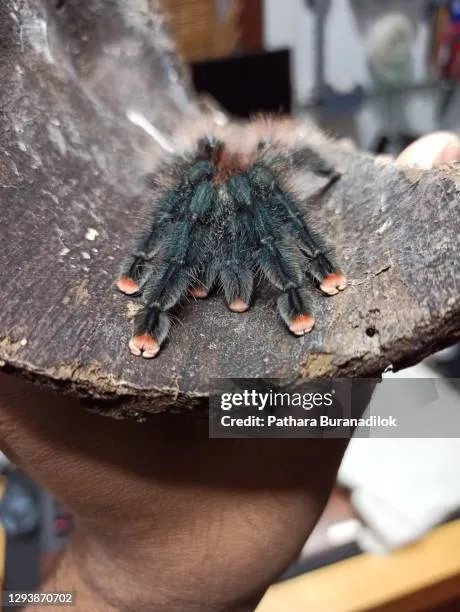
Pink Toe Tarantula Gender Guide
Determining the gender of your Pink Toe Tarantula (Avicularia avicularia) is an essential part of responsible tarantula ownership. Whether you’re a seasoned enthusiast or a curious beginner, understanding the sex of your tarantula can significantly impact its care and your overall experience. This guide will walk you through the most effective methods for identifying the gender of your Pink Toe Tarantula, providing you with the knowledge to make informed decisions about its care. This information is useful for breeding purposes, or simply to provide the best possible care for your spider. Accurate gender identification allows you to tailor your tarantula’s environment, anticipate its needs, and understand its potential lifespan. By the end of this guide, you will have a clear understanding of the techniques and considerations needed to correctly sex your Pink Toe Tarantula.
Understanding Pink Toe Tarantulas
Before diving into gender identification, it’s crucial to have a basic understanding of Pink Toe Tarantulas. These arboreal spiders are known for their striking appearance, with vibrant pink toe pads and a docile temperament, making them popular pets. They typically thrive in a humid environment with plenty of vertical space to climb. Understanding their natural habitat and behavior is key to providing the best care. Pink Toe Tarantulas are native to the rainforests of South America and the Caribbean. In the wild, they build webs among the leaves and branches of trees, where they ambush prey. This behavior dictates their enclosure needs, which should mimic their natural environment as closely as possible. Their diet consists primarily of insects, and they require regular feeding to stay healthy. These tarantulas are generally not aggressive, but it’s important to handle them with care. Observing their behavior can give you insight into their well-being and needs.
Why Knowing the Gender Matters

Knowing the gender of your Pink Toe Tarantula is important for several reasons. The most significant is the difference in lifespan. Female Pink Toe Tarantulas can live for 10-12 years or longer, while males typically live for only 2-3 years after reaching maturity. This difference significantly impacts your long-term commitment and care planning. Gender also plays a role in behavior. Mature male tarantulas often become more restless and may exhibit erratic behavior as they search for a mate. They may also lose their appetite. Females, on the other hand, tend to be more settled. If you plan to breed your tarantula, accurate gender identification is, of course, essential. Breeding Pink Toe Tarantulas requires careful planning and understanding of their mating behavior and needs. Even if you aren’t planning on breeding, knowing your tarantula’s gender allows you to appreciate its unique characteristics and care for it more effectively.
Methods for Determining Gender
Several methods can be used to determine the gender of a Pink Toe Tarantula. These methods vary in accuracy and ease of use. The most common and reliable methods involve examining the tarantula’s molt or directly inspecting its physical characteristics. These techniques require patience and a keen eye, but they are the most effective ways to accurately sex your tarantula. While visual inspection is possible, it’s often less reliable, particularly for juvenile specimens. Learning and understanding these methods is essential for any tarantula keeper seeking to understand their pet better. Careful observation and attention to detail are the keys to success in gender identification. With practice, you will become more confident in your ability to accurately determine the gender of your Pink Toe Tarantula.
Examining Molt
Examining the molt is one of the most accurate methods for determining the gender of a Pink Toe Tarantula. When a tarantula molts, it sheds its exoskeleton, providing a perfect opportunity to inspect its reproductive organs. The molt can be examined under magnification to identify specific features that differentiate between males and females. It’s a non-invasive method that is both reliable and provides valuable insights. The molt gives you a clear picture of the tarantula’s anatomy. It’s important to note that this method is only effective after the tarantula has reached a certain size and has molted at least once. This method can be the most reliable for experienced keepers and the most accessible for the average owner.
How to Collect and Examine a Molt

Collecting a molt is a simple process. After your tarantula molts, carefully remove the shed exoskeleton from its enclosure. Handle the molt gently to avoid damaging it. Place the molt on a clean, flat surface under good lighting. Using a magnifying glass or a low-power microscope, examine the underside of the molt. Look for the presence of the spermathecae (a pair of sperm storage organs) in females. These appear as small, raised structures. In males, you will not find these structures. The presence or absence of these structures is a clear indicator of the tarantula’s sex. Take your time and be patient, as the structures can be small and hard to see. With practice and careful observation, you will become adept at identifying the gender of your Pink Toe Tarantula using its molt.
Visual Inspection of the Tarantula
Visual inspection can be used to determine gender, though it’s less reliable than molt examination, particularly for juveniles. This method involves observing specific physical characteristics of the tarantula, such as the presence of bulbs on the pedipalps in males and the features of the epigastric furrow in females. This method is less reliable than examining a molt but can still offer clues. Patience and a keen eye are essential when performing a visual inspection. It’s helpful to compare your tarantula to images of known males and females to better understand the differences. This method is best used in conjunction with other methods, such as molt examination, to confirm your observations.
Identifying Bulbs on Pedipalps
Mature male Pink Toe Tarantulas have modified pedipalps, the small leg-like appendages near the mouth. These pedipalps develop into bulbous structures, which are used to store sperm. These bulbs are usually visible under magnification. To identify these, carefully examine the pedipalps under a bright light. The presence of bulbs indicates that the tarantula is a male. The bulbous structures will be most apparent in mature males. Juveniles and females will not have these modified pedipalps. The bulbs may not be fully developed in young males, so the reliability of this method increases with age. This is a relatively easy method, but it requires close observation.
Checking the Epigastric Furrow

The epigastric furrow is a groove located on the underside of the abdomen, between the book lungs. In mature female Pink Toe Tarantulas, the epigastric furrow may have a distinct shape. This groove contains the openings to the spermathecae, which are used for sperm storage. To identify the gender using this method, gently turn the tarantula over (if comfortable and experienced) and examine the epigastric furrow using a magnifying glass. Females typically have a more pronounced furrow, with two distinct sperm storage receptacles. The absence of this feature does not always indicate a male. The shape and appearance of this feature can vary, so it’s important to compare it with images of known females. This method can be challenging to perform, and requires a steady hand and a cooperative tarantula.
Using a Microscope for Sexing
A microscope can significantly enhance your ability to determine the gender of a Pink Toe Tarantula. This is especially useful for examining the molt. The higher magnification offered by a microscope allows you to see the fine details of the reproductive structures, such as the spermathecae, with greater clarity. You can also use a microscope to examine the pedipalps and epigastric furrow more closely. Before you start, prepare the molt or tarantula for viewing by placing it under the microscope. Start with a low magnification to get an overview, and gradually increase the magnification to examine the details. Using a microscope provides a more precise and reliable method for gender determination. It is a valuable tool for tarantula keepers. Familiarizing yourself with microscopic anatomy will increase your skills and confidence in accurately determining gender.
Pros and Cons of Each Method
Each method for determining the gender of a Pink Toe Tarantula has its advantages and disadvantages. Understanding these pros and cons will help you choose the method that best suits your needs and expertise. Different factors, such as the age of the tarantula and the availability of equipment, can influence the suitability of a particular method. Considering the pros and cons ensures that you can make an informed decision about how to determine your tarantula’s gender, increasing the accuracy and success of the sexing process.
Advantages of Molt Examination

Molt examination is the most accurate method, especially for experienced keepers. It offers a clear view of the tarantula’s reproductive structures. It is a non-invasive method, which means it does not involve handling or stressing the tarantula. Once you have a molt, it can be examined easily. This method is especially reliable if you have access to a magnifying glass or a microscope. The primary advantage of this method is its high accuracy rate and reliability. It is a great method for verifying gender. The availability of the molt makes this method convenient and accessible.
Disadvantages of Molt Examination
Molt examination has a few drawbacks. It requires the tarantula to have molted, which means it can’t be used on juveniles or tarantulas that haven’t molted recently. It also requires the collection and preservation of the molt, which can be challenging for some keepers. It relies on the tarantula’s molting cycle, which can be unpredictable and infrequent. While the method is highly accurate, its success depends on the availability of the molt. Some keepers may find the process of collecting and examining the molt difficult or unpleasant. It takes time and patience to examine a molt. The need for a magnifying glass or a microscope can be a barrier for keepers without the necessary equipment.
Advantages of Visual Inspection
Visual inspection offers immediate results. It does not require waiting for a molt. It can be done quickly and easily, making it a convenient option for keepers. It doesn’t require any special equipment, except perhaps a magnifying glass. You can assess your tarantula at any time. This method is convenient and accessible. If you are comfortable with handling your tarantula, visual inspection can be a quick way to make an initial assessment of gender. This method can provide a quick preliminary idea. Visual inspection can be the only option.
Disadvantages of Visual Inspection

Visual inspection is less accurate than molt examination, particularly for juvenile tarantulas. Determining gender by visual inspection can be challenging. It requires a good understanding of the tarantula’s anatomy. It is often less reliable than other methods. This method may not be effective for all tarantulas. It requires a high level of experience. It is difficult for beginners, because the distinguishing features may be subtle or difficult to see. Relying solely on visual inspection can sometimes lead to misidentification. It is most reliable when combined with other methods to confirm the gender.
Caring for Male vs Female Pink Toe Tarantulas
While the basic care for male and female Pink Toe Tarantulas is similar, there are some differences to consider. These differences mainly relate to their lifespans and behavioral patterns, which can influence housing and care. Providing the correct environment will help your tarantula live a healthy and fulfilling life. Understanding the specific needs of males and females ensures that you can provide the best possible care. Knowing the gender of your Pink Toe Tarantula allows you to tailor your care and ensure your tarantula thrives.
Housing and Enclosure Needs
Both male and female Pink Toe Tarantulas require similar housing. A vertical enclosure is ideal, as they are arboreal. Provide plenty of space to climb and build webs. The enclosure should be well-ventilated. Maintain a consistent humidity level, using a hygrometer. Add a shallow water dish. The enclosure size should be appropriate. Provide suitable substrate. Decorate the enclosure with artificial or live plants. Ensure the enclosure is secure. The primary difference is in enclosure size, especially for males, who may become restless. The ideal setup will provide a safe and stimulating environment. The setup must match the behavior of the tarantula.
Dietary Requirements and Feeding

The dietary needs of male and female Pink Toe Tarantulas are generally the same, consisting primarily of insects. Feed your tarantula appropriately-sized prey, such as crickets, roaches, or mealworms, every few days. The frequency of feeding will depend on the tarantula’s size and age. Adjust the diet and feeding schedule as the tarantula grows and molts. Remove any uneaten prey to prevent stress and health issues. Ensure your tarantula has access to fresh water at all times. Monitor your tarantula’s feeding response. A healthy tarantula will readily eat when offered food. If the tarantula stops eating, it could be a sign of molting or illness. Maintain good feeding habits. Feeding is critical for both health and growth.
Lifespan and Temperament Differences
The most significant difference between male and female Pink Toe Tarantulas is their lifespan. Females can live for many years, making them a long-term pet. Males typically have a much shorter lifespan. They live only a few years after reaching maturity. This difference impacts the long-term commitment. Observe the behavior of your tarantula. Males, especially mature males, may become more restless. Females tend to be calmer. Understanding these differences helps you to understand your tarantula. Consider these factors when planning for your tarantula’s care. Knowing the lifespan and temperament helps you to prepare accordingly. These factors can influence how you interact with and care for your pet.
Conclusion
Determining the gender of your Pink Toe Tarantula is an important part of responsible ownership, and this guide has provided you with the knowledge and tools to do so effectively. By understanding the different methods, such as examining the molt or visually inspecting the tarantula, you can accurately identify your tarantula’s sex and tailor its care accordingly. Remember that the most accurate method is often examining the molt, but visual inspection can provide a good starting point. Always handle your tarantula with care and observe its behavior. With a bit of patience and practice, you’ll become proficient at sexing your Pink Toe Tarantula. Knowing the gender is only the start; understanding the needs of your Pink Toe Tarantula and providing the right care will ensure that your pet thrives. Enjoy the journey of caring for your beautiful and fascinating Pink Toe Tarantula!