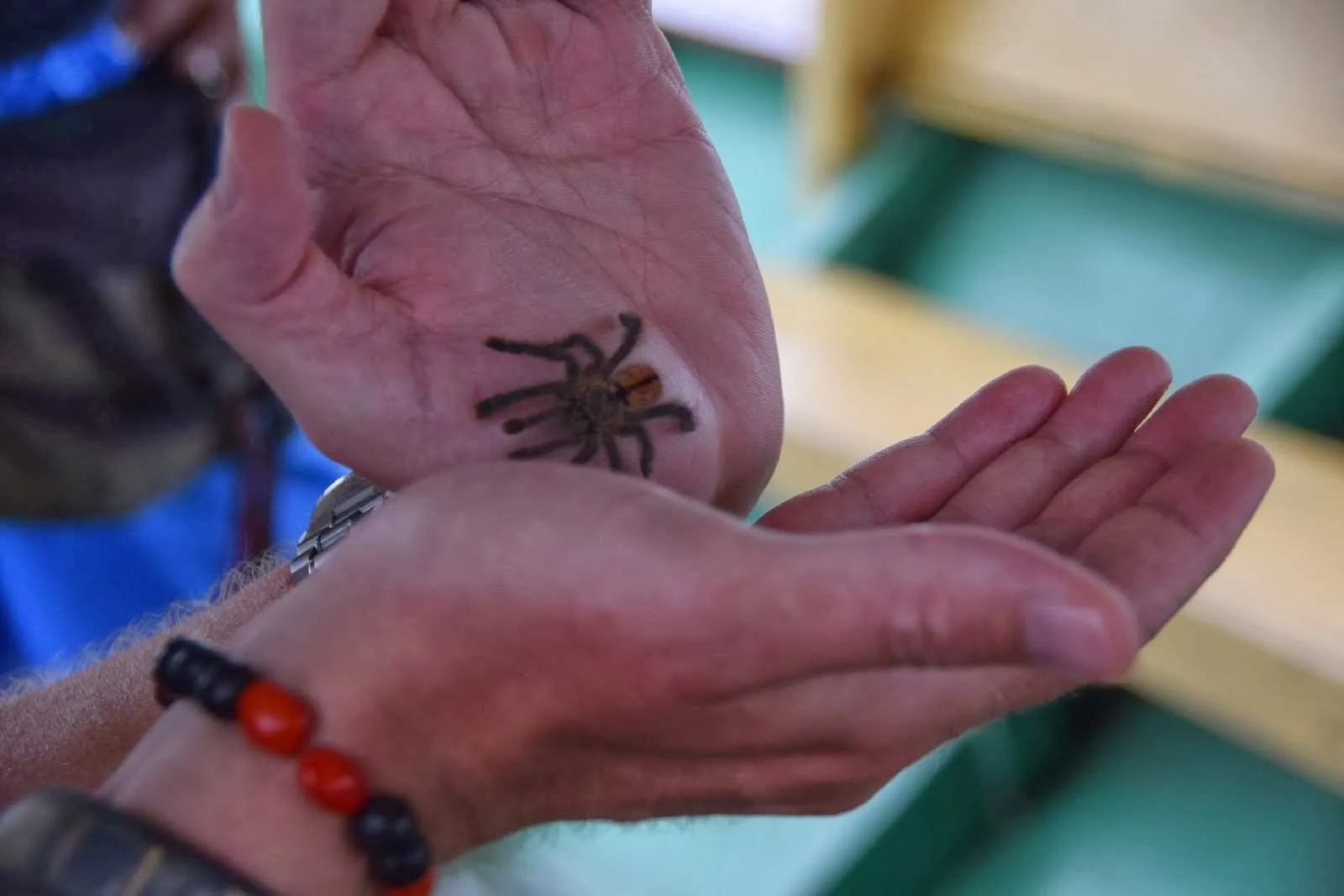
Understanding Pink Toe Tarantulas
Pink toe tarantulas, scientifically known as Avicularia avicularia, are captivating arachnids, beloved by both novice and experienced tarantula keepers. Originating from the tropical rainforests of South America, these arboreal creatures are known for their vibrant coloration and docile nature, making them a popular choice for a pet. Their distinct appearance, highlighted by pink or reddish tips on their legs, adds to their appeal. Understanding their natural habitat is critical to providing a thriving environment in captivity. This guide delves into the specifics of their habitat needs, from enclosure setup to essential care practices, ensuring your pink toe tarantula lives a long and fulfilling life. This information aims to help you recreate their natural environment as closely as possible.
Natural Habitat of Pink Toe Tarantulas
Pink toe tarantulas are native to the lush, humid environments of the South American rainforests. In the wild, they are primarily arboreal, meaning they live in trees, constructing silken retreats among the foliage. Understanding their natural environment is key to replicating it in captivity. Their habitat is defined by specific environmental factors, including consistent humidity levels, moderate temperatures, and the availability of a secure, vertical space for climbing and shelter. Replicating these conditions is crucial to the well-being of your pet.
Tropical Rainforest Environment

The tropical rainforest environment provides the pink toe tarantula with everything it needs to survive. High humidity is a constant, with rainfall occurring frequently, saturating the air and the surroundings. Temperatures are consistently warm, rarely fluctuating drastically. Abundant foliage provides cover and protection from predators, while the trees offer the perfect structure for webbing and shelter. These tarantulas choose to live among the leaves and branches. The canopy provides them with a secure environment away from potential ground-dwelling predators.
Importance of Humidity
Humidity is of utmost importance for pink toe tarantulas. They thrive in a humid environment, which helps them to molt successfully. Low humidity can lead to molting problems and other health issues. In their natural habitat, they benefit from high levels of humidity, which are readily available in the rainforest. Maintaining a consistent humidity level of 70-80% is essential in captivity. Monitoring and adjusting humidity levels is a critical aspect of tarantula care.
Temperature Requirements
Pink toe tarantulas prefer warm temperatures. The ideal temperature range is between 75-85°F (24-29°C). Avoid drastic temperature fluctuations, as these can stress your tarantula. Keeping the enclosure in a stable, warm environment is important for their overall health and activity levels. While supplemental heating is not usually necessary in a home, it might be required in colder climates to ensure that their environment stays within the appropriate range.
Creating the Ideal Habitat

Creating the perfect habitat for your pink toe tarantula involves careful consideration of several factors, including the size and type of enclosure, substrate selection, and the inclusion of essential decorations. The goal is to replicate their natural environment as closely as possible, providing a comfortable and secure space where your tarantula can thrive. The setup should prioritize the tarantula’s well-being, taking into account its arboreal nature. This will also support its natural behaviors such as climbing and webbing.
Enclosure Size and Type
Choose a tall enclosure, as pink toe tarantulas are arboreal. A good size for an adult tarantula is a terrarium that’s at least 12x12x18 inches, but a larger enclosure can be beneficial. The enclosure should have good ventilation to prevent the buildup of excessive moisture. The material of the enclosure can be glass or acrylic; however, glass is easier to clean. Make sure the enclosure has a secure lid to prevent escape.
Substrate Selection
The substrate should retain moisture to maintain humidity, while still allowing for adequate ventilation. Suitable options include a mixture of coco fiber, peat moss, and a small amount of vermiculite. The substrate should be several inches deep to allow the tarantula to burrow if it chooses to. Be sure to replace the substrate every few months to prevent the buildup of bacteria and mold. The substrate also provides a surface for webbing and climbing.
Essential Decorations and Hiding Places
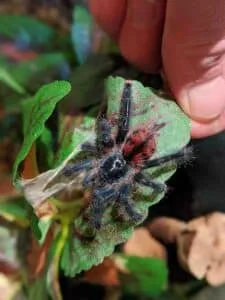
Provide plenty of decorations to mimic the tarantula’s natural habitat. Cork bark, branches, and artificial plants offer climbing surfaces and places to hide. These decorations provide the tarantula with security and encourage natural behaviors. Make sure all decorations are securely placed to prevent them from falling and potentially harming the tarantula. Including a water dish is also essential, ensuring a constant supply of fresh water. Provide several options for hiding to make your tarantula feel secure.
Maintaining the Habitat
Maintaining your pink toe tarantula’s habitat is crucial for its health and well-being. This includes regular checks and adjustments to ensure optimal conditions. Consistent monitoring of humidity and temperature, regular cleaning, and providing fresh food and water are all part of the maintenance routine. A well-maintained habitat will keep your tarantula happy and thriving.
Humidity Control
Monitor humidity levels with a hygrometer. Mist the enclosure regularly to maintain the desired humidity level, usually 70-80%. Avoid over-misting, which can lead to mold and mildew. Good ventilation helps to prevent excessive moisture buildup. Adjust the frequency of misting based on the enclosure’s ventilation and the ambient humidity levels in your home.
Temperature Regulation
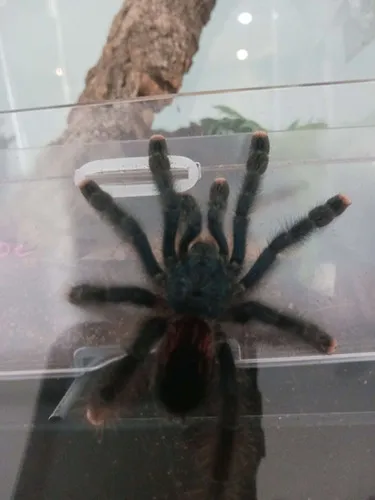
Keep the enclosure at a stable temperature of 75-85°F (24-29°C). Use a thermometer to monitor the temperature. Supplemental heating may be necessary in cooler climates. Ensure any heat sources are used safely and do not pose a risk to the tarantula. Avoid placing the enclosure in direct sunlight, as this can cause overheating.
Feeding and Water
Provide a clean water dish with fresh water at all times. Feed your tarantula a diet of appropriately sized insects, such as crickets, roaches, and mealworms. The feeding frequency depends on the tarantula’s age and size, typically once or twice a week for adults. Remove uneaten food within 24 hours to prevent mold and mites. Always provide a varied diet for a balanced nutrient intake. Ensure the insects you feed are healthy and free from pesticides.
Common Habitat Mistakes and Solutions
Even experienced keepers can make mistakes. Knowing the common pitfalls can help you avoid them and ensure a healthy environment for your tarantula. Regularly review your setup and care practices to identify and rectify any issues. This proactive approach will promote your tarantula’s well-being.
Incorrect Humidity Levels

Both too high and too low humidity can be detrimental. Use a hygrometer to monitor humidity levels. If humidity is too low, increase misting frequency or add more water to the substrate. If humidity is too high, improve ventilation or reduce the amount of water added. Proper ventilation also helps to avoid mold growth.
Poor Ventilation
Poor ventilation can lead to mold growth and respiratory problems. Ensure the enclosure has adequate ventilation, such as cross-ventilation. If your enclosure does not have sufficient ventilation, you may need to modify it or choose a different enclosure type. Improve the air circulation to prevent the buildup of stale air and excessive humidity.
Lack of Hiding Places
Pink toe tarantulas are shy creatures and need places to hide. Provide plenty of cork bark, branches, or artificial plants to create hiding spots. This will make your tarantula feel more secure and reduce stress. A secure tarantula is a healthy tarantula. Always ensure that hiding places are stable and won’t fall and injure the tarantula.