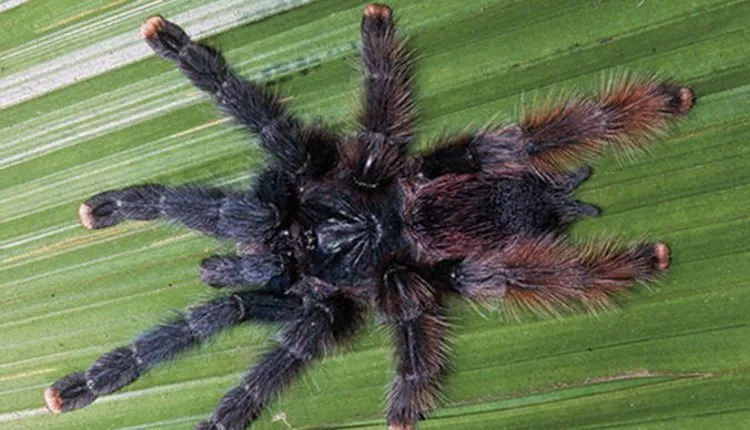
What is a Pink Toe Tarantula?
The Pink Toe Tarantula (Caribena versicolor), a stunning arboreal species, is a popular choice among tarantula enthusiasts. Known for its vibrant colors – a mix of greens, pinks, and purples – and docile nature, the Pink Toe Tarantula is relatively easy to care for, making it a great option for both beginners and experienced keepers. Native to the Caribbean islands, these spiders thrive in a humid, arboreal environment. Understanding their natural habitat and needs is crucial for providing a suitable and enriching enclosure. Proper housing not only ensures their survival but also allows them to display their natural behaviors, contributing to their overall well-being. This guide will walk you through everything you need to know about creating the perfect home for your Pink Toe Tarantula.
Understanding the Pink Toe Tarantula’s Natural Habitat
To successfully house a Pink Toe Tarantula, you must first understand its natural environment. These spiders are native to the rainforests of the Caribbean, where they spend most of their time in trees. They build silken retreats in the branches, taking advantage of the humidity and the shelter provided by the leaves. The temperature in these regions is consistently warm, and the humidity levels are high. Understanding these conditions will help you replicate them in your tarantula’s enclosure. They are primarily arboreal, meaning they live in trees, so their enclosure should reflect this. They are not ground-dwelling spiders and do not burrow. Therefore, the setup should focus on vertical space and climbing opportunities, such as branches, cork bark, and other vertical structures. Replicating the natural environment will provide a stress-free habitat for the tarantula.
Essential Elements for Pink Toe Tarantula Housing

Creating the perfect habitat involves several key elements. These elements work in tandem to provide a healthy and enriching environment for your Pink Toe Tarantula. The size and type of enclosure is very important. The substrate, humidity, temperature, and ventilation are all critical for their well-being. Providing appropriate decorations will enable them to feel safe and stimulate their natural behaviors. Regular maintenance and monitoring will help maintain the optimal environment, supporting the Pink Toe Tarantula’s health and longevity. Neglecting any of these elements can lead to health problems and a shortened lifespan, which is why they are all essential. Creating the right environment can be an exciting endeavor, as you can see your pet thriving.
Choosing the Right Enclosure
The enclosure is the foundation of your Pink Toe Tarantula’s home. As arboreal spiders, they require a vertically oriented enclosure. A good rule of thumb is to choose an enclosure that is at least three times the tarantula’s leg span in height, and about twice its leg span in width. For a juvenile, a small acrylic terrarium is ideal, while an adult can thrive in a larger enclosure. Ensure the enclosure has secure ventilation – small holes or a mesh top are essential for airflow but must be small enough to prevent escape. The enclosure should also be escape-proof, with a tight-fitting lid or secure door. Acrylic or glass enclosures are both suitable, but glass can be heavier and more prone to breakage. Ensure the enclosure you select is easy to clean and maintain. Regularly inspect the enclosure for cracks or damage.
Selecting the Proper Substrate
The substrate serves multiple purposes, including maintaining humidity, providing a comfortable surface for the tarantula, and allowing it to construct its web. For Pink Toe Tarantulas, a substrate that retains humidity is crucial. A mixture of coconut fiber (coco coir) and sphagnum moss is an excellent choice. These materials retain moisture well and help maintain the high humidity levels required. Avoid substrates like sand or gravel, which do not hold moisture effectively. The depth of the substrate should be about 2-3 inches, providing enough space for the tarantula to anchor its web and move comfortably. Ensure the substrate is clean and free of any potential contaminants. It is important to spot-clean the substrate regularly to remove any waste and prevent mold or bacterial growth. Replace the substrate entirely every few months to maintain a healthy environment.
Maintaining Humidity and Temperature

Pink Toe Tarantulas thrive in a humid environment, typically between 70% and 80%. You can monitor humidity levels using a hygrometer, which you should place inside the enclosure. To increase humidity, mist the enclosure with dechlorinated water several times a week, or as needed. Avoid over-misting, which can lead to mold growth. Proper ventilation is also key to maintaining humidity. Temperature should be maintained between 75°F and 85°F (24°C and 29°C). You can use a thermometer to monitor the temperature. If your home is too cold, you may need to use a heat lamp or a small space heater. Avoid placing the enclosure in direct sunlight or near heat sources. Proper temperature and humidity control are key to the tarantula’s molting process, and its overall health and well-being.
Providing Adequate Ventilation
Adequate ventilation is vital for preventing mold and bacterial growth and ensuring the health of your tarantula. The enclosure should have cross-ventilation, meaning air can flow in and out easily. This can be achieved with a combination of ventilation holes along the sides of the enclosure and a mesh top. Avoid enclosures with limited airflow, as this can create stagnant, humid conditions that promote mold. Inspect the ventilation holes regularly to ensure they are not blocked by substrate or debris. Proper ventilation also helps regulate humidity. Too much ventilation can lead to the enclosure drying out, so balance is key. If you notice condensation building up excessively, increase the ventilation slightly. Healthy ventilation is essential for a healthy tarantula.
Decorating the Enclosure for Enrichment
Decorating the enclosure is crucial for providing enrichment and simulating the tarantula’s natural habitat. Pink Toe Tarantulas appreciate vertical space, so include branches, cork bark, and artificial plants. These additions provide climbing opportunities, a place to build their web, and hiding spots. Avoid using decorations with sharp edges or potential hazards. Ensure any decorations are securely placed and do not pose a risk of the tarantula getting trapped. Artificial plants and decorations are easy to clean and maintain. The decorations should be positioned to allow the tarantula to move around freely and create its silken retreat. The enclosure should feel natural to the tarantula.
Feeding and Watering Your Pink Toe Tarantula

Feeding your Pink Toe Tarantula a nutritious diet is crucial for its health and longevity. These tarantulas are insectivores, and their diet should primarily consist of insects. Crickets, mealworms, and roaches are all suitable options. The size of the prey should be appropriate for the size of the tarantula – a good rule is to feed insects that are no larger than the tarantula’s abdomen. Feed juveniles 2-3 times per week, and adults once or twice per week. Always remove any uneaten prey within 24 hours to prevent them from stressing the tarantula. Provide fresh, clean water at all times. A shallow water dish is essential. Change the water dish regularly, and ensure it is clean and free of debris. Misting the enclosure can also provide additional moisture, but a water dish is essential.
Daily and Weekly Enclosure Maintenance
Regular maintenance is essential for maintaining a healthy and clean environment. Daily tasks include spot-cleaning the enclosure to remove any uneaten prey, shed exoskeletons, and waste. Check the water dish and refill if necessary. Weekly tasks include a more thorough cleaning of the enclosure. You can gently wipe down the sides of the enclosure with a damp cloth. Inspect the substrate for any signs of mold or excessive moisture. Monitor the humidity and temperature levels, and adjust as needed. Regular maintenance prevents build-up of bacteria and fungus that can cause harm to your pet. Proper maintenance can help the tarantula be healthy for many years.
Recognizing and Addressing Common Housing Problems
It’s important to be aware of common housing problems and how to address them. Overly dry enclosures can lead to dehydration and difficulty molting. To fix this, increase the frequency of misting or add a larger water dish. Mold growth is often a sign of excessive humidity or poor ventilation. If you see mold, improve ventilation, replace the substrate, and thoroughly clean the enclosure. Infrequent feeding can lead to a malnourished tarantula. Always make sure that your pet has fresh water and enough food. If the tarantula stops eating, look for any sign of illness or molting. The tarantula is not a pet that should be left alone for long periods. Addressing these problems promptly can prevent serious health issues and ensure the well-being of your Pink Toe Tarantula.
Conclusion

Providing proper housing for your Pink Toe Tarantula is essential for its health and well-being. By following this 101 guide, you can create a thriving environment that mimics its natural habitat. From selecting the right enclosure and substrate to maintaining appropriate humidity and temperature, every aspect of the setup contributes to the tarantula’s happiness and longevity. Remember to prioritize enrichment through decorations, provide a balanced diet, and maintain regular cleaning and maintenance. With a little effort and attention, you can enjoy the beauty and fascinating behavior of your Pink Toe Tarantula for years to come. Creating a suitable home is not just about providing shelter; it’s about providing a space where your Pink Toe Tarantula can thrive and showcase its remarkable qualities.