
Why Is My Pink Toe Tarantula Not Moving
Discovering your pink toe tarantula isn’t moving can be a concerning experience for any pet owner. These beautiful arboreal spiders are known for their graceful movements and active behavior. A tarantula that remains still for an extended period could indicate several underlying issues, ranging from environmental factors to health problems. Understanding the potential causes behind this behavior is crucial for ensuring the well-being of your pet. This article will delve into five common reasons why your pink toe tarantula might not be moving, offering insights and actionable steps to address each one.
Dehydration
Dehydration is a frequent issue for tarantulas, often stemming from inadequate access to water or excessively dry conditions within their enclosure. Tarantulas require a humid environment to thrive, and dehydration can quickly lead to lethargy and immobility. This is because spiders absorb water through their food and environment. Proper hydration is essential for their physiological functions, including the molting process. Dehydration can make it difficult for them to shed their exoskeleton, leading to serious health complications. Ensuring that your tarantula has access to fresh water and maintaining appropriate humidity levels are vital to prevent dehydration. A dehydrated tarantula may appear sluggish, with a shriveled abdomen, and lack of movement.
Symptoms of Dehydration
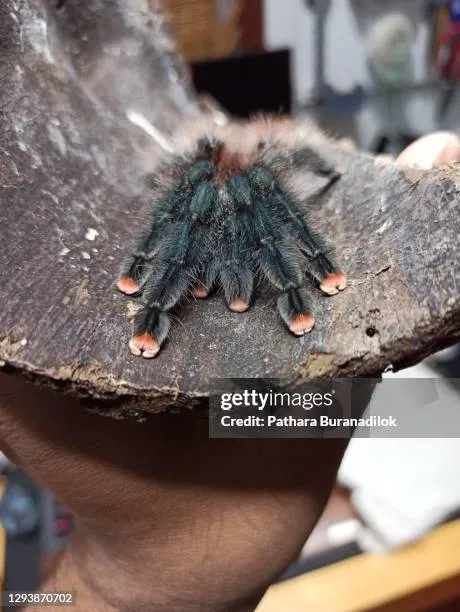
Identifying dehydration in your pink toe tarantula involves looking out for specific symptoms. A clear sign is a shrunken or wrinkled abdomen, which normally should be plump. The spider might also appear sluggish and have difficulty moving its legs. Another telltale sign is a lack of interest in food; a dehydrated tarantula might refuse to eat. Also, observe the enclosure to see if the water dish is empty or the humidity levels are low. By closely monitoring your tarantula and its environment, you can promptly detect and address dehydration issues, ensuring your pet’s health and well-being. Early detection and intervention are crucial for a positive outcome.
Addressing Dehydration
If you suspect your pink toe tarantula is dehydrated, the first step is to provide fresh water. Ensure the water dish is clean and easily accessible. You can also mist the enclosure with dechlorinated water, taking care not to oversaturate it, which can lead to other problems like mold. Improving humidity levels is also crucial. Use a hygrometer to monitor the humidity inside the enclosure and adjust as needed. This might involve using a larger water dish, adding damp sphagnum moss, or adjusting the ventilation. Regularly observe your tarantula for improvement, and consult an experienced tarantula keeper or a veterinarian if the condition doesn’t improve within a few days. Remember that providing the correct environmental conditions is crucial for your tarantula’s health.
Temperature and Humidity Issues
Pink toe tarantulas thrive in specific environmental conditions, and deviations from these can lead to stress and immobility. Temperature and humidity play a critical role in their health and behavior. If the enclosure is too cold or too dry, the tarantula’s metabolism can slow down, causing it to become less active. In contrast, excessively high temperatures or humidity can create an environment conducive to fungal or bacterial growth, posing serious health risks. Therefore, monitoring and maintaining the correct temperature and humidity levels are essential for the tarantula’s overall well-being, preventing lethargy and other potential problems.
Ideal Environmental Conditions

For pink toe tarantulas, the ideal temperature range is typically between 75 to 80 degrees Fahrenheit (24 to 27 degrees Celsius), and the humidity should be maintained between 70% to 80%. You can achieve these conditions by using a heat source, such as a low-wattage incandescent bulb or a ceramic heat emitter, and by misting the enclosure with dechlorinated water regularly. Proper ventilation is also necessary to prevent the buildup of excess humidity and mold growth. Using a reliable hygrometer and thermometer to monitor the enclosure’s environment is crucial for ensuring your tarantula’s comfort and health. Providing the correct environment is key to keeping your tarantula active and healthy.
Impact of Incorrect Setup
An improperly set up enclosure can have a significant impact on your pink toe tarantula’s behavior. If the temperature is too low, the tarantula’s metabolism slows down, making it lethargic and less likely to move. Low humidity can lead to dehydration, as discussed earlier, causing the spider to become inactive. Insufficient ventilation can also contribute to the problem, as it can lead to a buildup of harmful gases and mold. Make sure the enclosure is well-ventilated with adequate air exchange. Over time, these conditions can weaken the tarantula’s immune system, making it more susceptible to illness. Regularly check the enclosure setup to ensure the comfort and well-being of your pet.
Pre-Molting Behavior
Pink toe tarantulas, like all tarantulas, periodically molt, shedding their exoskeleton to grow. During the pre-molting phase, the spider often becomes less active and may stop eating altogether. This is a natural process where they prepare for the demanding process of shedding their old skin. The tarantula may retreat to a secluded spot and may spend a considerable amount of time resting in place. It is essential to understand this behavior and provide a stress-free environment during this vulnerable time. Providing the right support can help your tarantula successfully molt and continue to thrive.
Signs of Pre-Molting

Several telltale signs indicate that your pink toe tarantula is preparing to molt. The tarantula’s abdomen might appear darker or duller than usual, and you may notice a change in its overall appearance. It might also refuse food for several weeks leading up to the molt. The spider may also spend more time on the ground than usual, creating a web mat or silk bed, and may become noticeably less active. It is very important not to disturb your tarantula when it is going through this process. Being aware of these signs will help you understand the cause of the inactivity and provide appropriate care.
Supporting a Tarantula Through Molting
Supporting your tarantula through the molting process involves several key considerations. The most crucial step is to avoid disturbing the spider during this time. Provide a humid environment, but do not mist the spider directly. Ensure the enclosure is free of potential hazards, such as sharp objects. Keep the temperature within the ideal range and maintain adequate ventilation. It’s also essential to avoid handling the tarantula until its new exoskeleton has fully hardened, which may take several days or weeks after the molt. Once the tarantula has molted, you can reintroduce food and continue regular care practices.
Stress and Handling
Stress and improper handling can significantly affect a pink toe tarantula’s behavior, including causing it to become motionless. These spiders are sensitive to changes in their environment and can be easily stressed by loud noises, sudden movements, or frequent handling. Stress can weaken their immune system and make them more susceptible to illness. Furthermore, improper handling can lead to injury, which can also affect their activity levels. Reducing stress and adopting safe handling practices are key for your tarantula’s health and well-being. A calm and stable environment allows your spider to thrive.
Sources of Stress

Several factors can contribute to stress in pink toe tarantulas. Loud noises, vibrations, or sudden movements near the enclosure can startle them. Overhandling is another major source of stress; frequent or improper handling can frighten the spider and cause it to retreat and become still. Changes in the enclosure, such as moving it to a new location or changing the substrate, can also cause stress. Other potential stressors include overcrowding or the presence of other pets. By understanding these sources of stress, you can take steps to minimize them and create a peaceful environment for your tarantula.
Minimizing Stress
To minimize stress in your pink toe tarantula, create a calm and stable environment. Place the enclosure in a quiet location away from loud noises and vibrations. Avoid frequent handling; if you need to handle your tarantula, do so gently and only when necessary. Make sure the enclosure provides appropriate hiding places, such as cork bark or artificial plants, where the spider can retreat when feeling threatened. Maintain consistent temperature and humidity levels, and avoid sudden changes in the environment. Regular observation and attention to your tarantula’s behavior are crucial for detecting signs of stress early on.
Illness or Parasites
Although less common than other causes, illness or the presence of parasites can also lead to immobility in pink toe tarantulas. Several diseases can affect tarantulas, including fungal infections, bacterial infections, and viral infections. Parasites can also infest tarantulas, causing them to become lethargic and less active. Recognizing signs of illness and seeking appropriate veterinary care are critical to ensuring your pet’s health and well-being. Prompt action and a correct diagnosis can help your tarantula recover and return to its normal behavior.
Identifying Illness

Identifying illness in your pink toe tarantula requires careful observation. Look out for a range of symptoms. Aside from being immobile, you might notice loss of appetite or a change in eating habits. Also, look for unusual physical changes, such as discoloration of the abdomen or legs, or the presence of lesions or sores. Check for any unusual behavior, like tremors, or the tarantula lying on its back. If you observe any of these symptoms, or if the tarantula’s condition worsens, consult an experienced tarantula keeper or, ideally, a veterinarian specializing in exotic pets. Early detection is key to successful treatment.
Seeking Veterinary Care
If you suspect your pink toe tarantula is ill, it is essential to seek professional veterinary care. Not all veterinarians have experience with tarantulas, so it’s important to find one who specializes in exotic animals. When consulting a veterinarian, provide a detailed history of your tarantula’s care, including its enclosure setup, diet, and any observed symptoms. Your veterinarian may conduct tests, such as a physical examination, to determine the cause of the illness. They can then recommend appropriate treatment, which may include medication or changes in husbandry practices. Following your veterinarian’s instructions is essential for ensuring your tarantula’s recovery.
Conclusion
If your pink toe tarantula is not moving, it is important not to panic. By carefully assessing the situation and considering the potential causes discussed in this article, you can take appropriate steps to ensure your pet’s well-being. Always prioritize your tarantula’s needs and create a stable and healthy environment. By addressing factors like dehydration, incorrect temperature and humidity, stress, and potential health issues, you can often resolve the problem and help your tarantula return to its normal, active behavior. Remember, patience and diligent care are key to providing a long and happy life for your pink toe tarantula.