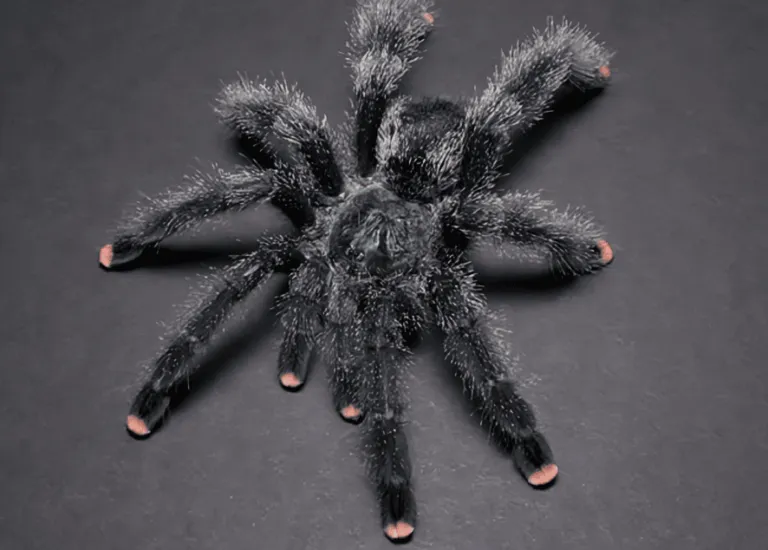
What are Urticating Hairs on Pink Toe Tarantulas
Pink toe tarantulas, scientifically known as Avicularia avicularia, are popular pet tarantulas admired for their vibrant coloration and docile nature. However, like many New World tarantulas, they possess a unique defense mechanism urticating hairs. These hairs, which are essentially modified bristles, are found on the tarantula’s abdomen. They are not like the venomous fangs, but rather a form of physical irritant designed to deter potential predators or perceived threats. These hairs are not just any hairs; they are barbed and designed to embed themselves in the skin or mucous membranes of anything that brushes against them. Understanding these hairs is crucial for anyone considering owning or interacting with a pink toe tarantula.
How Pink Toe Tarantulas Use Urticating Hairs
Pink toe tarantulas employ their urticating hairs as a primary defense strategy. When threatened, they use their hind legs to flick or kick these hairs towards the perceived danger. This action is often a rapid and almost invisible movement, making it difficult to avoid. The hairs, when released, are propelled into the air and can land on the skin or in the eyes of a potential threat. While not lethal, the hairs cause significant irritation. This behavior is a critical part of their survival, allowing them to ward off predators and protect themselves in their natural habitat. This defense mechanism is one of the reasons why handling these tarantulas requires caution and respect for their natural instincts.
Urticating Hair Delivery Methods in Pink Toe Tarantulas

The delivery method of urticating hairs is quite fascinating. Pink toe tarantulas, using their hind legs, brush against their abdomen, where the hairs are located. This brushing motion dislodges the hairs, sending them flying towards the threat. This can be directed, to some extent, depending on the tarantula’s orientation and the perceived direction of the threat. The hairs themselves are microscopic and barbed, which helps them to embed in the skin, causing irritation. The effectiveness of this delivery system is enhanced by the sheer number of hairs a tarantula can release in a single defense action. This method is highly effective in deterring predators and preventing direct physical contact.
The Effects of Urticating Hairs on Humans
For humans, the effects of urticating hairs can range from mild to quite irritating. The most common reaction is skin irritation, which can manifest as itching, redness, and small bumps similar to hives. If the hairs come into contact with the eyes, they can cause significant discomfort, including watering, redness, and the feeling of having something in the eye. Inhalation of these hairs can also lead to respiratory irritation. The severity of the reaction depends on the individual’s sensitivity and the amount of hair exposure. Some people may experience only minor effects, while others may require medical attention to alleviate symptoms. It’s crucial to know how to react if exposed to these hairs.
Skin Irritation from Urticating Hairs (Symptoms & Remedies)
The symptoms of skin irritation from urticating hairs typically include intense itching, redness, and the appearance of small, raised bumps or welts. The affected area may also feel hot and sensitive to the touch. These symptoms usually appear shortly after exposure and can last for several days to a week, depending on the individual’s sensitivity. To relieve the irritation, it’s recommended to gently wash the area with cool water and mild soap. Avoid rubbing, as this can further embed the hairs. Applying a cold compress or taking an antihistamine can help reduce itching and inflammation. In severe cases, or if the symptoms persist, it is advisable to consult a medical professional for further treatment.
Managing Urticating Hair Exposure Risks

Managing the risks associated with urticating hairs is essential for responsible pink toe tarantula ownership. The most crucial step is to avoid provoking the tarantula, which means no sudden movements or direct handling unless absolutely necessary. When cleaning the enclosure or performing maintenance, wear protective gear, such as long sleeves, gloves, and eye protection. Ensure the enclosure is secure to prevent accidental escapes. If you suspect exposure, immediately wash the affected area thoroughly. Keep the tarantula’s enclosure in a well-ventilated area to minimize airborne hairs. Educate yourself on the tarantula’s behavior and potential defense mechanisms to minimize the chances of exposure.
How to Properly Handle a Pink Toe Tarantula
Handling pink toe tarantulas should be approached with caution. It’s generally best to avoid handling them unless necessary, such as for a health check or relocation. If handling is unavoidable, do so over a soft surface, such as a bed or a padded area, to minimize the risk of injury if the tarantula falls. Use a gentle approach, avoiding any sudden movements. Gently coax the tarantula onto your hand rather than grabbing it. Always wash your hands thoroughly before and after handling. Be aware of the tarantula’s behavior and signs of stress, like a defensive posture. It’s also advisable to have a container or a safe space nearby to easily and safely return the tarantula if it shows signs of distress.
Cleaning Up Urticating Hairs in Your Home
Cleaning up urticating hairs can be challenging. Avoid using a broom or a brush, as these can spread the hairs further. Instead, use a vacuum cleaner with a HEPA filter to capture the microscopic hairs effectively. Dispose of the vacuum bag or canister carefully. For surfaces, use a damp cloth or sticky tape to remove the hairs. Be sure to wear gloves and a mask to protect yourself from exposure during cleaning. Regularly clean the tarantula’s enclosure and surrounding area to minimize the accumulation of hairs. Air purifiers with HEPA filters can also help to remove airborne hairs. Thorough and regular cleaning is essential to maintain a safe environment.
Preventing Urticating Hair Reactions

Preventing reactions to urticating hairs involves several precautions. The most effective method is to minimize exposure. When handling the tarantula or cleaning its enclosure, wear protective clothing, including long sleeves, gloves, and eye protection. Avoid touching your face or eyes while working with the tarantula. Keep the enclosure in a well-ventilated area to reduce the concentration of airborne hairs. Regularly clean the enclosure and the surrounding area to remove any shed hairs. Educate yourself and others in the household about the tarantula’s defense mechanisms. If a reaction does occur, wash the affected area immediately and apply a cold compress. Taking these precautions can significantly reduce the risk of experiencing an adverse reaction.
Pink Toe Tarantula’s Defense Mechanism Explained
The pink toe tarantula’s defense mechanism, centered around urticating hairs, is a fascinating adaptation for survival. These hairs, located on the abdomen, are flicked or kicked towards potential threats, causing skin irritation and discomfort. This strategy is a critical component of their survival, protecting them from predators in their natural habitat. While not fatal, the irritation caused by these hairs effectively deters potential threats. Understanding this defense mechanism is essential for responsible pet ownership. By respecting the tarantula’s behavior and taking appropriate precautions, owners can minimize the risk of exposure and ensure a safe and enjoyable experience with these fascinating creatures.