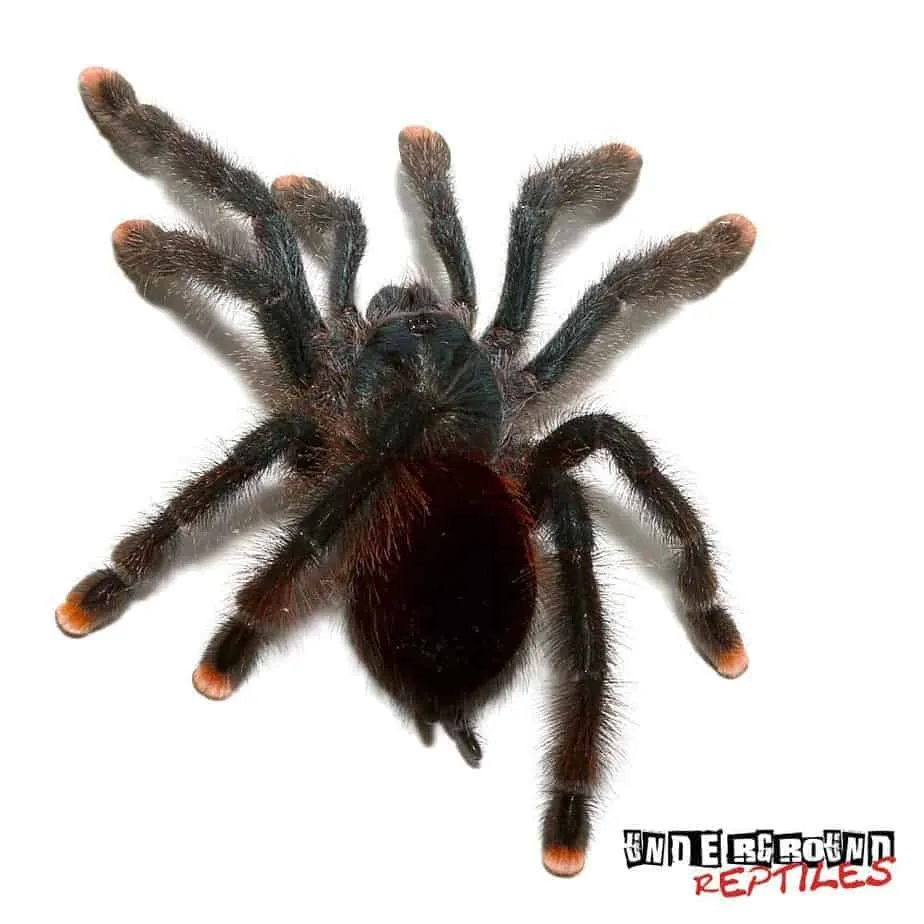
Pinktoe Tarantula Care Top 5 Facts
The Pinktoe Tarantula (Avicularia avicularia) is a popular choice for beginner and experienced tarantula keepers alike, beloved for its striking appearance and relatively docile temperament. Originating from the rainforests of South America and the Caribbean, these arboreal spiders require specific care to thrive in captivity. This article provides essential facts to ensure your pinktoe tarantula lives a long, healthy, and happy life. From habitat and feeding to handling and health, this guide offers a comprehensive overview of pinktoe tarantula care, highlighting the five most crucial aspects to keep in mind for your new pet.
Habitat Needs
Creating a suitable habitat is paramount to the well-being of your pinktoe tarantula. As arboreal creatures, they require a vertically oriented enclosure. A well-designed habitat replicates their natural environment, promoting their physical and psychological health. Proper enclosure setup allows them to climb, explore, and exhibit natural behaviors.
Enclosure Setup

The enclosure should be tall rather than wide, with dimensions appropriate for the spider’s size. A juvenile pinktoe will do well in a smaller enclosure, while adults need at least a 12x12x18 inch enclosure. Ensure good ventilation to prevent the buildup of humidity, which can lead to mold and other health problems. Secure the lid to prevent escapes, as pinktoe tarantulas are skilled climbers.
Substrate Selection
Use a substrate that retains moisture while allowing for adequate drainage. A mixture of coco fiber, vermiculite, and sphagnum moss is ideal. This substrate helps maintain the required humidity levels and provides a comfortable environment for your tarantula. The substrate should be deep enough to allow for burrowing, although pinktoes generally prefer to live in the upper part of their enclosure.
Temperature and Humidity
Maintain a temperature between 75-85°F (24-29°C). You can use a heat lamp or a heat mat, but make sure the heat source doesn’t dry out the enclosure. Humidity levels should be kept between 70-80%. Regularly mist the enclosure and ensure good ventilation. A hygrometer is an invaluable tool for monitoring humidity levels.
Feeding Your Pinktoe

Proper feeding is crucial for your pinktoe tarantula’s health and growth. Pinktoes are opportunistic feeders, primarily consuming insects in the wild. In captivity, offering a varied diet of appropriate-sized insects ensures they receive the necessary nutrients for their well-being. Overfeeding can lead to health problems, so it is important to feed them the correct amount.
Prey Selection
Offer a variety of insects, such as crickets, roaches, mealworms, and locusts. The size of the prey should be appropriate for the size of your tarantula; the insect should be no larger than the spider’s abdomen. Always gut-load the insects with nutritious food a day before feeding them to your tarantula. This provides your tarantula with a more balanced diet.
Feeding Frequency
Juvenile pinktoes should be fed 2-3 times per week, while adults can be fed once a week or every other week. Observe your tarantula’s abdomen; if it appears plump, you can reduce the feeding frequency. Remove any uneaten prey within 24 hours to prevent stress and potential injury to your tarantula.
Water Requirements

Providing fresh water is essential for your pinktoe tarantula’s hydration and survival. Unlike some terrestrial species, pinktoes don’t typically drink from a water dish. Instead, they rely on water droplets and humidity in their environment. Regularly ensuring a source of fresh water is very important.
Misting Schedule
Misting the enclosure with dechlorinated water 2-3 times a week helps maintain humidity levels and provides water droplets for the tarantula to drink. Avoid over-misting, as this can lead to excessive humidity and potential health issues. Observe the enclosure and adjust your misting schedule accordingly, based on humidity readings and the spider’s behavior.
Water Dish
While pinktoes don’t often drink from a water dish, providing a shallow water dish with a sponge or small pebbles can be beneficial, especially during molting or when the spider is dehydrated. Ensure the water dish is shallow enough to prevent the tarantula from drowning. Clean and refill the water dish regularly to prevent contamination.
Handling and Temperament

Pinktoe tarantulas are generally considered a more docile species compared to some other tarantulas, but they are still venomous creatures and should be handled with caution and respect. Proper handling techniques and an understanding of their temperament are critical for both the safety of the spider and the keeper.
Handling Considerations
Pinktoes are arboreal and fast, making them prone to quick movements. Always handle your pinktoe close to a soft surface to prevent falls. Be aware of their urticating hairs, which can cause skin irritation. Avoid handling your tarantula unless necessary, such as for enclosure maintenance or health checks, to minimize stress.
Understanding Temperament
Observe your tarantula’s behavior before attempting to handle it. If the spider appears skittish or defensive, it is best to avoid handling. Pinktoes may flick hairs as a defense mechanism, so be prepared for potential irritation. Patience and respect for the spider’s boundaries are paramount when handling.
Health and Common Issues

Like all pets, pinktoe tarantulas can experience health problems. By understanding the common issues and the molting process, you can better care for your pet. Regular monitoring of the spider’s behavior and appearance is crucial for detecting and addressing any health concerns promptly.
Molting Process
Molting is the process by which a tarantula sheds its exoskeleton to grow. During this time, the spider is vulnerable and should not be disturbed. Provide a humid environment and avoid handling. Signs of an upcoming molt include a darkened abdomen and a loss of appetite. After molting, the tarantula’s fangs and body will be soft, so avoid feeding for a few days.
Common Health Problems
Common health issues include dehydration, mites, and fungal infections. Dehydration can be prevented by providing adequate water and maintaining proper humidity levels. Mites can be identified by small, moving dots on the spider or in the enclosure. Fungal infections are often linked to excessive humidity. Seek veterinary advice if you notice any signs of illness, such as lethargy, loss of appetite, or unusual behavior.
Lifespan and Growth

Understanding the lifespan and growth stages of your pinktoe tarantula helps you provide the appropriate care at each stage of their life. Pinktoes are relatively long-lived tarantulas, and their growth depends on factors such as diet and environmental conditions.
Average Lifespan
Female pinktoe tarantulas can live for 10-12 years or even longer in some cases, while males typically live for 2-3 years after reaching maturity. Providing optimal care can help extend their lifespan. The lifespan also depends on factors such as genetics, diet, and environmental conditions.
Growth Stages
Pinktoe tarantulas grow through molting. Young tarantulas molt more frequently than adults. Monitor your spider’s growth and adjust the size of their enclosure accordingly. Ensure that you maintain the correct temperature and humidity levels for their growth stages. Providing ample food and a stress-free environment will support healthy growth.
Caring for a pinktoe tarantula can be a rewarding experience. By following these top 5 facts and guidelines, you can provide a healthy and fulfilling life for your arboreal companion. Remember that consistent care, observation, and a little research will go a long way in ensuring your pinktoe thrives. Enjoy the unique experience of keeping this beautiful and fascinating species!