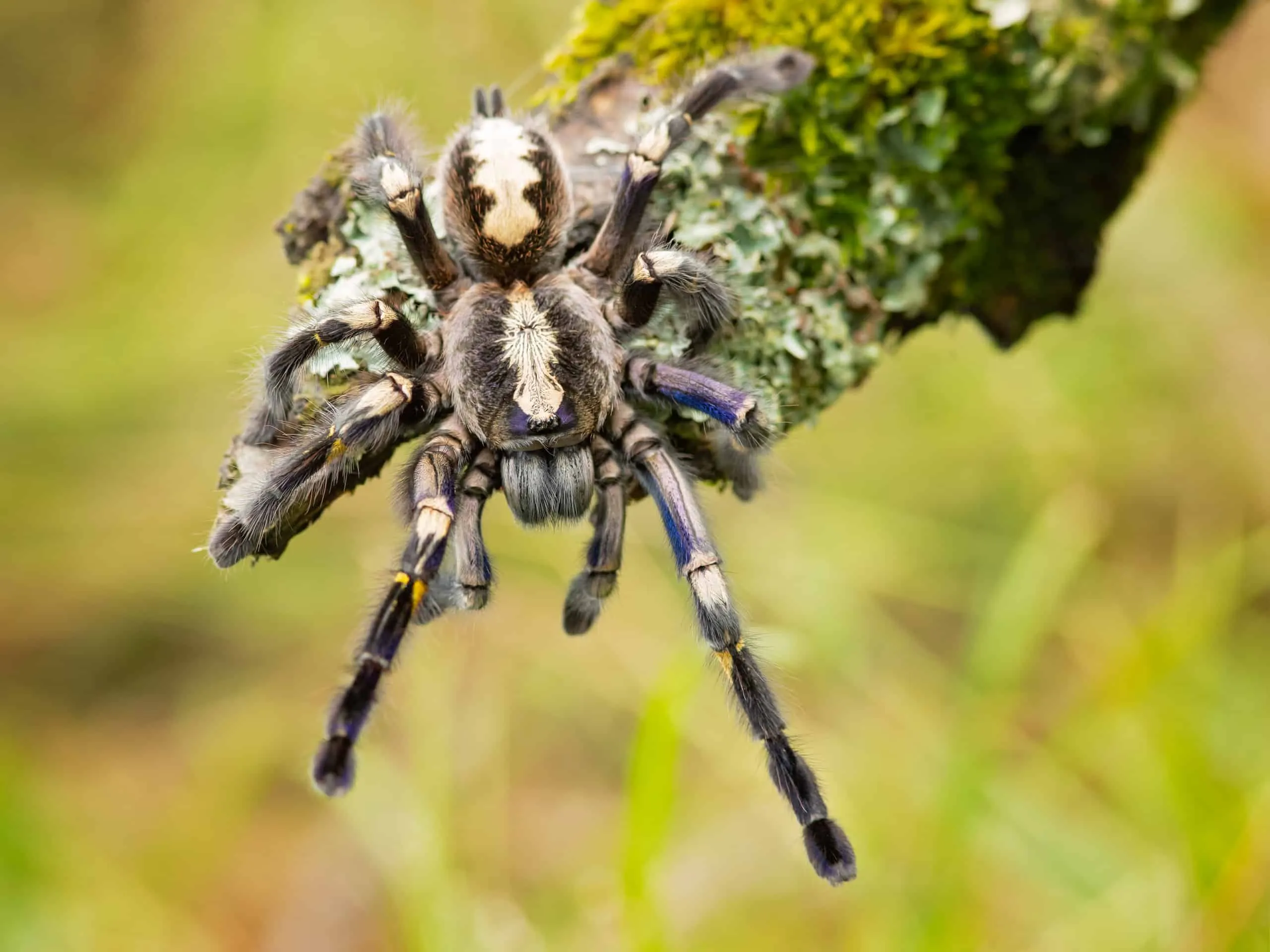
What is the Gooty Sapphire Tarantula?
The Gooty Sapphire Tarantula ( Psalmopoeus irminia ) is a captivating species of tarantula, renowned for its striking appearance and the vibrant blue iridescence that adorns its legs, especially noticeable under certain lighting conditions. Native to India, this spider has gained popularity in the pet trade, attracting enthusiasts with its beauty. But are these stunning creatures poisonous? This article will explore the nature of the Gooty Sapphire Tarantula, its venom, and everything you need to know about its toxicity. Understanding these aspects is crucial for anyone interested in owning or encountering this fascinating arachnid.
Appearance and Characteristics
Gooty Sapphire Tarantulas are medium-sized tarantulas, with a leg span that can reach up to 5-6 inches. Their bodies are typically a dark, velvety black or brown, providing a stark contrast to the sapphire blue hues on their legs. This vibrant coloration is not always immediately apparent but becomes stunningly visible under direct light, giving the spider its common name. Besides their visual appeal, these tarantulas possess robust bodies and a generally active temperament, often spending their time in burrows or under cover during the day.
Habitat and Distribution
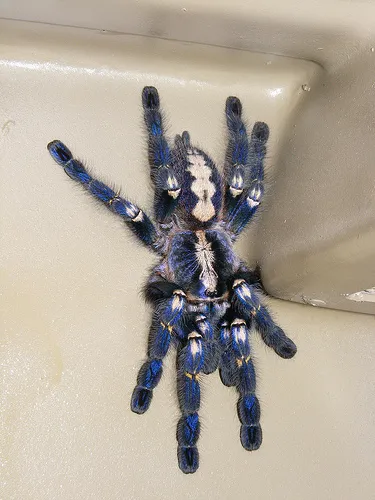
Originally found in the tropical forests of Andhra Pradesh, India, the Gooty Sapphire Tarantula prefers a warm and humid environment. They are typically terrestrial, meaning they live primarily on the ground, and are known to create burrows or find shelter under rocks, logs, or other natural debris. Unfortunately, due to habitat loss and the impacts of the pet trade, they are increasingly rare in their natural habitat. Conservation efforts are essential to protect the remaining populations of this beautiful tarantula species.
Is the Gooty Sapphire Tarantula Poisonous?
The term “poisonous” is often used interchangeably with “venomous”, but there is a significant difference. Poisonous creatures are harmful when ingested or touched, while venomous creatures inject toxins through a bite or sting. In the case of the Gooty Sapphire Tarantula, it is not poisonous in the traditional sense; you cannot become ill by touching or eating one. Instead, they are venomous, meaning they possess venom that they inject via their fangs during a bite. This distinction is critical when considering the risks associated with these spiders.
Venom vs. Poison
Venom is a mixture of toxins that an animal injects into a victim through a bite, sting, or other means. Poisons, on the other hand, are toxins that harm an animal when they are swallowed, inhaled, or absorbed through the skin. The Gooty Sapphire Tarantula uses its fangs to inject venom, making it a venomous creature. This venom is designed to subdue prey but can also affect humans, leading to various symptoms depending on the individual’s sensitivity and the amount of venom injected.
The Toxicity of Gooty Sapphire Tarantula Venom

The venom of the Gooty Sapphire Tarantula is not considered life-threatening to humans. However, it can cause various symptoms. The venom contains a mix of enzymes and toxins that disrupt the nervous system and cause local pain, inflammation, and muscle cramps. The severity of these symptoms varies from person to person. Although rarely dangerous, it is essential to know what to expect if bitten and how to respond appropriately.
Top 5 Facts About Gooty Sapphire Tarantula Venom
Fact 1 Severity of the Bite
The bite of a Gooty Sapphire Tarantula is generally considered to be mild to moderate in terms of its severity. The initial bite can be painful, similar to a bee sting, but is rarely life-threatening. The pain is usually localized to the bite area, with symptoms that might include swelling, redness, and itching. While most people recover within a few hours or days, it is still important to monitor the symptoms and seek medical attention if they worsen or if unusual symptoms develop.
Fact 2 Venom Composition

The venom of the Gooty Sapphire Tarantula is a complex mixture of enzymes, peptides, and other compounds designed to paralyze or kill prey. These toxins affect the nervous system and cause muscle contractions and localized pain. Research into the precise composition of the venom is ongoing, but it is known to contain compounds similar to those found in other tarantula venoms. The specific components and their concentrations can vary slightly depending on the spider’s age, diet, and overall health.
Fact 3 Symptoms of a Bite
Symptoms following a bite from a Gooty Sapphire Tarantula can vary. Common symptoms include immediate pain at the bite site, redness, and swelling. Other symptoms can include itching, muscle cramps, and in some cases, nausea or mild flu-like symptoms. In rare instances, more severe reactions such as allergic responses can occur. Monitoring symptoms after a bite is crucial, and medical advice should be sought if severe symptoms develop or persist.
Fact 4 Treatment and First Aid
If bitten by a Gooty Sapphire Tarantula, immediate first aid should be administered. Clean the bite area gently with soap and water. Apply a cold compress to reduce swelling and pain. Elevate the affected limb and avoid strenuous activity. Monitor the symptoms closely, and seek medical attention if symptoms worsen, such as difficulty breathing, severe swelling, or allergic reactions. Medical professionals may provide further treatment, including pain relief and, in rare cases, antihistamines or corticosteroids.
Fact 5 Rarity and Availability

Due to their rarity in the wild and the popularity in the pet trade, Gooty Sapphire Tarantulas can be difficult to find and expensive to purchase. They are not readily available in all pet stores, and finding a reputable breeder is essential. Be cautious about where you obtain your tarantula to ensure you are getting a healthy specimen and supporting ethical practices. Also, their rarity makes them more vulnerable to over-collection, emphasizing the importance of conservation efforts.
Handling and Safety Precautions
While not deadly, bites from a Gooty Sapphire Tarantula can be unpleasant. Proper handling techniques and safety precautions are essential for anyone interacting with these spiders. Understanding how to minimize risks will help ensure a safe and positive experience.
Proper Handling Techniques
If handling a Gooty Sapphire Tarantula is necessary (e.g., for enclosure cleaning or relocation), using gentle, slow movements is critical. Avoid sudden motions that could startle the spider. The best practice is to use a long, soft brush to encourage the spider to move rather than attempting to handle it directly. Always handle these tarantulas over a soft surface, such as a bed or a table with a padded surface, to minimize the risk of injury if the spider falls.
Preventing Bites

The best way to avoid being bitten by a Gooty Sapphire Tarantula is to avoid handling it unnecessarily. Maintain a safe distance, and never provoke the spider. If you need to approach the tarantula for care, use tools such as long tongs or brushes to minimize direct contact. Always keep the enclosure secure and ensure there are no escape routes. Educating yourself about the spider’s behavior and respecting its space are crucial for preventing bites and ensuring the well-being of both the spider and the handler.
Conclusion
The Gooty Sapphire Tarantula is a fascinating creature, known for its beauty and, like all tarantulas, its venomous nature. While not deadly to humans, understanding the facts about its venom, symptoms, and safety precautions is crucial for anyone interested in this spider. By respecting the Gooty Sapphire Tarantula, handling it with care, and taking appropriate safety measures, enthusiasts can appreciate its beauty and uniqueness while minimizing any potential risks. Conservation efforts are also important to protect these magnificent creatures in their natural habitat.