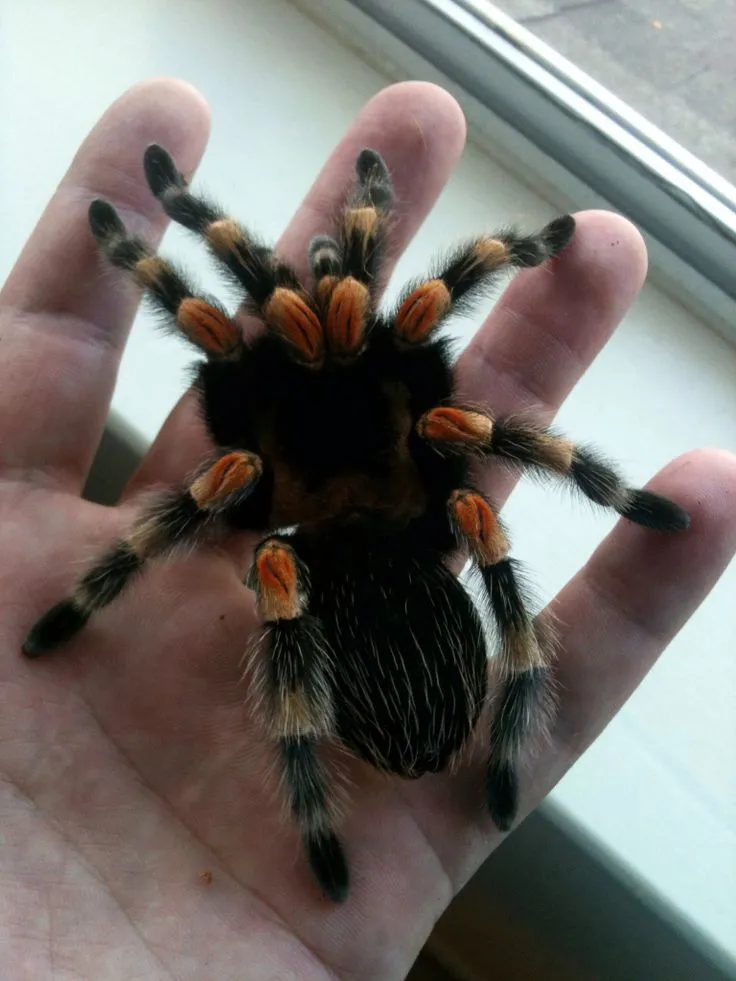
Top 5 Redknee Tarantula Predators
The Redknee Tarantula, with its striking appearance and docile nature, is a fascinating creature to observe. However, in its natural habitat, this beautiful arachnid faces a constant threat from a variety of predators. Understanding these predators is crucial for appreciating the tarantula’s place in the ecosystem and the challenges it faces. This article will delve into the top five predators of the Redknee Tarantula, exploring their hunting strategies, their impact on tarantula populations, and what measures are being taken to protect these amazing creatures. The following are the most common threats to the Redknee Tarantula, ranging from aerial hunters to terrestrial ambushers, and even the indirect impacts of human activity.
Birds The Aerial Predators
Birds of prey, such as hawks, owls, and eagles, pose a significant threat to Redknee Tarantulas. These aerial predators have exceptional eyesight, allowing them to spot tarantulas from great distances. Their hunting strategy often involves spotting the tarantula from above, swooping down quickly, and snatching the spider with their talons. The tarantula’s relatively slow movement on the ground makes it an easy target for these swift hunters. Furthermore, the open habitats that Redknee Tarantulas often occupy provide little cover from aerial attacks, increasing their vulnerability. The presence of birds of prey helps to regulate tarantula populations, ensuring that their numbers do not become excessive and preventing any imbalance within the ecosystem. This natural predation is a critical part of maintaining ecological balance.
How Birds Hunt Tarantulas

Birds employ several tactics to hunt Redknee Tarantulas. Some species perch on elevated positions, scanning the ground for movement. Others patrol the air, using their keen eyesight to locate tarantulas. Once a tarantula is spotted, the bird will dive down rapidly, often surprising the spider before it can react. The bird then uses its sharp talons to grasp the tarantula, carrying it away to be consumed. Birds typically target larger, more mature tarantulas, as they offer a more substantial meal. They may also target younger, less experienced tarantulas that are more likely to venture out in the open. The success of a bird’s hunt depends on several factors, including the bird’s hunting skills, the tarantula’s size and location, and the availability of alternative prey. Birds contribute significantly to the natural regulation of tarantula populations.
Mammals Opportunistic Hunters
Mammals, including coyotes, foxes, and even opossums, are opportunistic predators of Redknee Tarantulas. These animals are not specialized tarantula hunters, but they will consume tarantulas if the opportunity arises. Their hunting strategies vary depending on the mammal species. Some mammals may dig into burrows to find tarantulas, while others may stumble upon them while foraging for other food. Mammals often hunt during the night, when tarantulas are more active. They are attracted to the movement of the tarantulas or the sounds they make. The impact of mammals on tarantula populations can vary depending on the local ecosystem. The presence of a high density of mammals in an area can put increased predation pressure on tarantula populations, potentially affecting their overall numbers.
Size and Diet of Mammalian Predators
The size and diet of mammalian predators play a crucial role in their interaction with Redknee Tarantulas. Larger mammals, such as coyotes and foxes, typically consume more tarantulas, while smaller mammals might only eat them occasionally. The diet of these predators can also influence their impact. For example, if a mammal primarily feeds on other prey, it might not actively seek out tarantulas. However, when alternative food sources are scarce, they might turn to tarantulas. The diet of these mammals consists of a variety of foods, including insects, rodents, and other small animals, in addition to tarantulas. Understanding the dietary habits of these predators helps to determine their potential impact on the tarantula populations. The presence of mammals often influences the distribution and behavior of tarantulas, forcing them to adapt and seek out safer locations.
Reptiles Stealthy Threats

Reptiles, such as snakes and lizards, are also predators of Redknee Tarantulas. These creatures are particularly effective hunters due to their stealth and ability to ambush their prey. Snakes often enter tarantula burrows to capture them, while lizards might wait near the entrance, ready to pounce. The venom of some snakes can quickly subdue a tarantula, making them particularly dangerous predators. Reptiles, like mammals, are opportunistic hunters. They are also well-adapted to the desert environments where Redknee Tarantulas thrive. These predators contribute to the natural regulation of tarantula populations, but their impact may also depend on their abundance. Reptiles are an integral part of the ecosystem, ensuring that the balance of nature is maintained and that no single species dominates.
Snakes and Lizards Hunting Strategies
Snakes and lizards employ different hunting strategies to catch Redknee Tarantulas. Snakes often use their sense of smell and vibrations to locate tarantula burrows. Once they find a burrow, they might slither inside and attack the tarantula directly. Lizards, on the other hand, often wait near the entrance of a tarantula’s burrow, ambushing any tarantula that ventures out. Some lizards might even dig into the burrows. The size and species of the reptile determine the hunting strategy. Larger snakes and lizards can consume larger tarantulas, while smaller ones might target smaller spiders or juveniles. The presence of these predators can force the tarantulas to adapt their behavior, such as remaining in their burrows for longer periods or constructing more elaborate hiding places. These adaptations ensure their survival.
Invertebrates Hidden Dangers
Invertebrates, such as centipedes and scorpions, can be dangerous predators for Redknee Tarantulas, especially juveniles and smaller tarantulas. These predators are often found in the same habitats as tarantulas, making them a constant threat. Centipedes, with their fast movement and venomous bite, can quickly overpower a tarantula. Scorpions use their powerful pincers and venomous sting to subdue their prey. Their hunting strategies involve ambushing the tarantula or entering their burrows to attack. The presence of these smaller predators highlights the dangers that tarantulas face. They are often overlooked because of their size, but their impact can be significant, particularly on young tarantulas. These invertebrates play a role in regulating the overall tarantula population.
Centipedes and Scorpions The Small Threats

Centipedes and scorpions are formidable hunters, even if they are smaller than the tarantulas. Centipedes are equipped with a pair of modified legs that inject venom, paralyzing their prey. They can move quickly and often attack tarantulas in their burrows. Scorpions use their pincers to grasp their prey and their sting to inject venom. They are well-armored, providing them with protection against tarantula fangs. These invertebrates often target young tarantulas or those that are molting, making them vulnerable. The hunting strategies of these invertebrates include ambushing their prey and entering the tarantulas’ burrows. These smaller predators have a role in the tarantula ecosystem, helping to keep populations in check. The continuous threat that they represent affects the tarantulas’ behavior and survival strategies.
Humans Unintentional and Intentional Threats
Humans can also impact Redknee Tarantula populations, both intentionally and unintentionally. Habitat destruction caused by urban development, agriculture, and mining, reduces the amount of suitable habitat. The use of pesticides can also harm tarantulas directly or indirectly by reducing their food sources. Intentional collection for the pet trade can put pressure on wild populations. Human activities lead to habitat loss, fragmentation, and pollution, all of which negatively affect tarantula survival. The intentional collection and trade of tarantulas for the pet market can further reduce their numbers. Protecting tarantula habitats is essential to mitigate the impact of human activities and preserve their populations. Conservation efforts are important to address these human impacts.
Impact of Human Activities on Tarantulas
The impact of human activities on Redknee Tarantulas is multifaceted. Deforestation and habitat conversion are some of the main threats. The construction of roads and buildings fragments habitats, isolating tarantula populations and reducing their genetic diversity. The use of pesticides and other chemicals contaminates the environment, harming tarantulas and their prey. Climate change alters the tarantula’s habitat by increasing temperatures and altering rainfall patterns, leading to less favorable living conditions. The collection of tarantulas for the pet trade, if not regulated, can lead to overexploitation. These factors can reduce tarantula populations and make them more vulnerable. Conservation efforts, habitat restoration, and sustainable practices are crucial in order to protect the Redknee Tarantula from these human-induced threats and help it thrive.