What is the Pueblo Colorado Tarantula Migration?
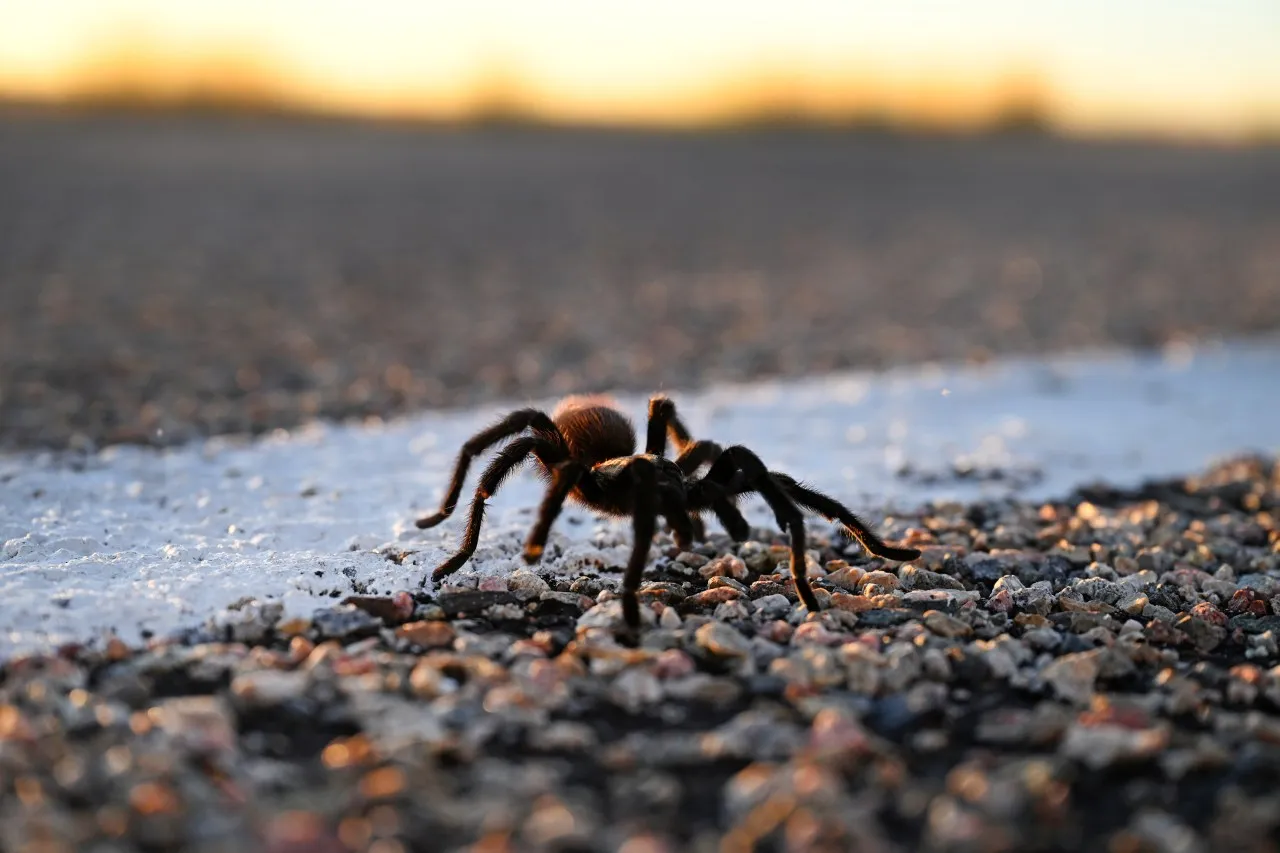
The Pueblo Colorado Tarantula Migration is an annual event where thousands of tarantulas, primarily male, embark on a journey across the landscape. This spectacle typically occurs in late summer and early fall, drawing nature enthusiasts and curious onlookers. These tarantulas, which are large, hairy spiders, leave their burrows in search of mates. This migration is not just a fascinating display of natural behavior, but also an important part of the ecosystem. Understanding this phenomenon can help us appreciate the biodiversity and the cycles of life within the Pueblo Colorado region. The sheer scale of the migration is something to behold, with tarantulas often seen traversing roads, fields, and other terrains, making their way towards areas where they hope to find a mate. This event is a prime example of how animals adapt to environmental factors, and how they play a crucial role in maintaining ecological balance.
Why Do Tarantulas Migrate?
The primary reason for the Pueblo Colorado tarantulas’ migration is reproduction. Male tarantulas, once they reach maturity, leave their burrows in search of females. This journey can span several miles, during which they are exposed to various dangers, including predators and vehicles. Their motivation is solely driven by the instinct to mate and pass on their genes. The males follow pheromone trails left by receptive females, guiding them to potential mates. This migratory behavior is critical to the survival of the species, ensuring genetic diversity and the continuation of the tarantula population. The migration is a risky undertaking for the males, who must navigate treacherous terrain and compete with other males for mating opportunities. The success of the migration is essential for the overall health and stability of the local tarantula population, making it an event of both natural beauty and significant ecological importance.
When and Where Does the Migration Occur?

The Pueblo Colorado tarantula migration typically takes place from late August through October. The exact timing can vary slightly depending on weather conditions, with warmer temperatures and rainfall often triggering the start of the migration. The primary areas where the migration is observed include open grasslands and along roadsides in and around Pueblo, Colorado. Popular viewing spots include areas near the Arkansas River and surrounding plains. The tarantulas prefer areas with suitable mating grounds, such as areas with ample vegetation and burrows. The migration often peaks during the evening hours and early mornings, when temperatures are cooler. These times offer the best opportunities for observing the tarantulas as they actively move across the landscape. Be sure to check local conditions and potential closures before planning your visit.
Migration Timing
As mentioned, the migration season is generally from late summer to early fall. However, it’s crucial to monitor local weather patterns, as warm spells and rainfall can initiate the migration earlier. The peak viewing times are usually in the late afternoon and early evening, when the tarantulas are most active. It is important to note that tarantulas are most active when the weather is warm but not too hot. It’s helpful to check weather forecasts before heading out. This information can help you plan your visit to maximize your chances of seeing the migration in full swing. Remember, timing is critical for witnessing this incredible natural phenomenon.
Best Viewing Locations
Prime viewing locations include open grasslands and areas near the Arkansas River in and around Pueblo. Roadsides with less traffic and lower speed limits offer safer viewing opportunities. Many visitors park along these roads and watch for the tarantulas crossing. The edges of agricultural fields and areas with tall grass are also great spots, as these provide cover and habitat for the spiders. Always be aware of your surroundings and maintain a safe distance from both the tarantulas and any moving vehicles. Checking with local wildlife organizations or visitor centers can provide up-to-date information on the best viewing spots and safety guidelines. It’s also wise to bring a pair of binoculars for better viewing and a camera to capture this amazing spectacle.
What to Expect During the Migration

During the Pueblo Colorado tarantula migration, you can expect to see numerous tarantulas, mainly males, actively moving across the ground. They may be observed crossing roads, trails, and open fields. The males are typically on the hunt for females and can be seen wandering. You might also witness mating behaviors, where males attempt to mate with females. It’s not uncommon to see several tarantulas in one area, creating a spectacle. The spiders are often quite visible, but it’s best to observe them from a safe distance. Remember that these are wild animals, and it’s important to respect their space. Be prepared for a unique wildlife experience that offers a great opportunity to learn about the natural world. It’s also a good idea to have insect repellent handy, as you will be outdoors in an area with a lot of natural life.
Safety Precautions for Viewers
When observing the Pueblo Colorado tarantula migration, it’s important to prioritize safety. Maintain a safe distance from the tarantulas; although they are generally not aggressive, they can bite if they feel threatened. Avoid direct contact and do not attempt to handle them. Wear appropriate footwear, such as closed-toe shoes or boots, to protect your feet from potential bites. Be aware of your surroundings and watch out for traffic, especially if viewing along roadways. It’s best to park your vehicle in a safe location and wear reflective clothing to increase visibility. If you’re photographing the tarantulas, avoid flash photography, as it may disturb their behavior. Always respect the environment and leave no trace behind. Following these precautions will ensure that you can enjoy this unique natural event while staying safe.
Interesting Facts About Pueblo Colorado Tarantulas
The Pueblo Colorado tarantulas are an exciting species, with their own unique behaviors. One of the most striking things about these tarantulas is their impressive size, with some females being able to reach a leg span of up to 6 inches. They are primarily nocturnal hunters, preying on insects and other small creatures. The males typically live for around a year after reaching maturity, while females can live for several years, even decades. They play a significant role in the local ecosystem, helping to control insect populations. These tarantulas possess urticating hairs on their abdomens, which they can flick at potential threats as a defense mechanism. Additionally, they have unique courtship rituals involving drumming and vibrations. Learning these facts allows a deeper appreciation of these unique creatures and the environments they thrive in.
Their Lifespan and Size

These tarantulas are known for their relatively long lifespans compared to many other spider species. Females can live for 15 to 25 years, while males typically live for about a year after reaching maturity. In terms of size, these spiders are quite impressive, with their bodies reaching up to 3 inches in length, and their leg spans up to 6 inches. This makes them one of the larger tarantula species found in the United States. These size and lifespan differences are directly related to their roles in the life cycle, with females needing to survive long enough to produce multiple clutches of eggs, and males having the shorter-term focus of mating before they die. It’s this fascinating dichotomy that makes these spiders such a wonder to behold and study.
Their Diet and Habitat
The Pueblo Colorado tarantulas are carnivorous, with their diet primarily consisting of insects, such as grasshoppers, beetles, and other invertebrates. They are ambush predators, typically waiting in their burrows or hiding spots for prey to come close. Their habitat primarily consists of burrows in grasslands, open fields, and occasionally under rocks or other cover. They prefer areas with well-drained soil, which allows them to create their burrows. The tarantulas’ habitats are crucial for their survival, and provide shelter from the elements, as well as a place to hunt and breed. The preservation of these habitats is crucial for their continued existence. The diet and habitat preferences of these tarantulas are essential to understanding their role in the ecosystem, and these details are a must for anyone seeking to know about them.
Conservation Efforts and Threats
While not currently listed as endangered, the Pueblo Colorado tarantulas face various threats that could impact their population. Habitat loss due to agricultural expansion and development is a major concern. Pesticide use can also pose a risk, potentially affecting their prey or directly harming the tarantulas. There are efforts underway to conserve these tarantulas and their habitat, including habitat protection and promoting responsible land management practices. Public education and awareness campaigns can also play a crucial role in protecting the species. It’s important to support conservation initiatives and be mindful of your impact on their environment. By understanding and addressing the threats, we can help ensure that these magnificent spiders continue to thrive for many years to come.