What is a Purple Bloom Tarantula?
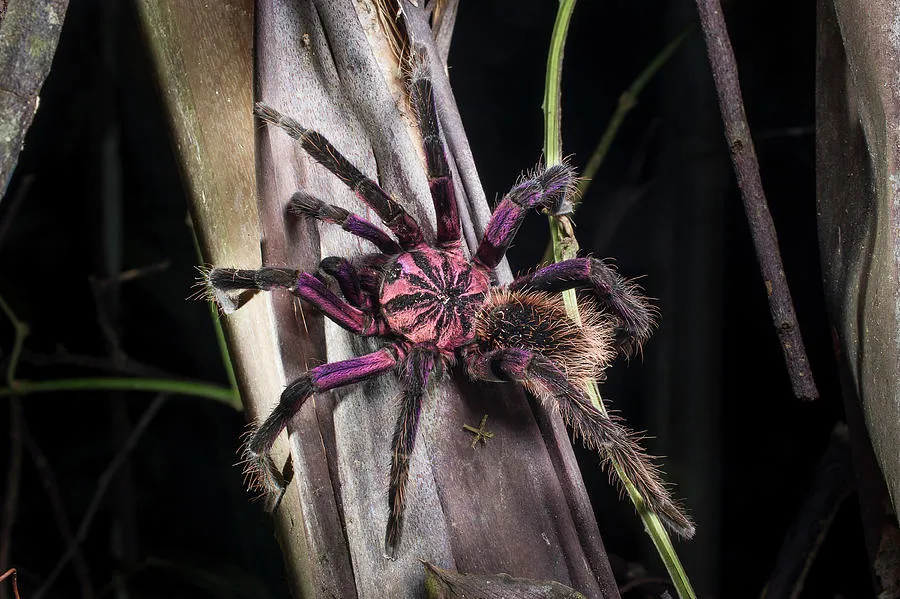
The Purple Bloom Tarantula, scientifically known as Pterinopelma sazimai, is a striking and captivating species of tarantula. Native to Brazil, this spider is highly sought after by arachnid enthusiasts due to its vibrant coloration and relatively docile temperament. While the name ‘Purple Bloom’ might conjure images of a flowering plant, it’s actually a reference to the spider’s iridescent purple hairs, which become especially prominent under certain lighting conditions. This tarantula is not just a pet; it’s a fascinating creature that offers a unique opportunity to learn about the wonders of the natural world. Owning a Purple Bloom Tarantula means taking on the responsibility of providing the right care to ensure its health and longevity. This includes understanding its natural habitat, feeding habits, and potential health issues.
Appearance and Identification
The most distinguishing feature of the Purple Bloom Tarantula is undoubtedly its coloration. The body is generally dark, often a deep brown or black, but it is the iridescent purple hairs that truly set it apart. These hairs are most noticeable on the legs and carapace (the top of the cephalothorax). The intensity of the purple can vary depending on the individual spider, its age, and the lighting conditions. These tarantulas are medium-sized, with a typical leg span ranging from 5 to 6 inches when fully grown. They have a robust build, typical of terrestrial tarantula species, and their bodies are covered in dense hairs. The pedipalps, which are used for sensory purposes and manipulating food, are also covered in hairs and are often a similar color to the legs. Being able to identify a Purple Bloom Tarantula can help you with the buying process.
Habitat and Distribution

In their natural habitat, Purple Bloom Tarantulas are found in the Cerrado region of Brazil. This area is characterized by a savanna-like environment with a distinct dry season. These tarantulas are terrestrial, meaning they live on the ground, and they typically create burrows or utilize natural shelters under rocks, logs, or leaf litter. They thrive in warm, humid environments, and the specific conditions of the Cerrado region are crucial for their survival. Understanding their natural habitat is key to providing the best possible care in captivity. Replicating the temperature, humidity, and substrate conditions of their native environment will help your tarantula thrive. The Cerrado region also experiences seasonal variations, so be mindful of the changes and adjust your enclosure accordingly. You can easily find the Purple Bloom Tarantula for sale.
Common Behaviors and Habits
The Purple Bloom Tarantula is generally considered a relatively docile species, making it a good choice for beginner tarantula keepers. However, like all tarantulas, they can become defensive if they feel threatened. They are nocturnal hunters, meaning they are most active at night, and they spend much of their time in their burrows or shelters during the day. They are ambush predators, meaning they wait for prey to come within striking distance before attacking. They are not prone to wandering, and when they are out of their burrows, it’s usually to find food or a mate. It is important to handle your tarantula with care and avoid sudden movements that might startle it. Observe their behavior and learn to recognize signs of stress, such as a defensive posture (raising the front legs and fangs) or flicking hairs from their abdomen.
Diet and Feeding
Purple Bloom Tarantulas are carnivores and primarily feed on insects. In the wild, their diet would consist of whatever insects are available, such as crickets, cockroaches, and other invertebrates. In captivity, you can provide a varied diet of commercially available insects. The size of the prey should be appropriate for the size of your tarantula; the general rule is to feed insects that are no larger than the tarantula’s body. Overfeeding can lead to health problems, so it’s important to monitor your tarantula’s feeding habits and adjust the amount of food accordingly. Crickets are a popular choice because they are readily available. Mealworms and superworms can also be offered, but they have a higher fat content and should be given in moderation. Supplementing the diet with occasional vitamin-dusted insects can also be beneficial to your pet.
What Do They Eat

The ideal diet for a Purple Bloom Tarantula consists mainly of insects. Crickets are a staple food and can be easily acquired from pet stores. Other suitable options include cockroaches, mealworms, and superworms. The key is to offer a variety of food sources to ensure your tarantula receives a balanced diet. Before feeding the insects, ensure they are gut-loaded. This means feeding the insects a nutritious diet a few days before you offer them to your tarantula. This way, your tarantula will benefit from the nutrients the insect has consumed.
How Often to Feed
The feeding frequency will depend on the age of your tarantula. Spiderlings (young tarantulas) need to be fed more frequently, typically 2-3 times a week. As they grow older, you can reduce the feeding frequency to once or twice a week. Adult Purple Bloom Tarantulas can often be fed once a week or even less. It is important to observe your tarantula’s abdomen; a plump abdomen indicates that they are well-fed. If the abdomen is shrinking, this could be a sign that your tarantula isn’t getting enough food. Ensure there is a water dish to stay hydrated and feed them at night.
Lifespan and Breeding
The lifespan of a Purple Bloom Tarantula varies depending on the sex. Females typically live much longer than males. Providing optimal care can significantly increase the chances of your tarantula reaching its maximum lifespan. Breeding these tarantulas in captivity is possible, but it requires a good understanding of their needs and careful planning. Breeding projects should only be undertaken by experienced keepers. It is important to ensure you have a suitable environment that replicates their natural habitat. This includes temperature, humidity, and substrate conditions. Successful breeding can lead to a rewarding experience.
Lifespan of a Purple Bloom Tarantula

Female Purple Bloom Tarantulas can live for 10-15 years or even longer with proper care. Males, on the other hand, have a much shorter lifespan, typically only living for 2-3 years after reaching maturity. Factors that can affect their lifespan include diet, enclosure conditions, and overall health. Regular monitoring of the tarantula’s health can help to catch potential issues early. This includes observing the tarantula’s behavior, feeding habits, and appearance. Make sure there are no signs of illness or stress. A well-maintained environment and consistent care are the keys to helping your tarantula live a long and healthy life.
Breeding and Reproduction
Breeding Purple Bloom Tarantulas requires a good understanding of their mating behavior and environmental needs. Before attempting to breed, ensure that the tarantulas are mature. This usually takes a few years. The process typically involves introducing a mature male to a female’s enclosure. If the female is receptive, the male will mate with her. After mating, the female will create an egg sac, which she will guard and care for. Once the spiderlings hatch, you will need to separate them into individual enclosures to prevent cannibalism. Breeding is a complex process that requires attention to detail. It’s recommended to research extensively before you attempt to breed.
Caring for a Purple Bloom Tarantula
Caring for a Purple Bloom Tarantula involves creating an appropriate enclosure, maintaining the right environmental conditions, and providing proper nutrition. Regular monitoring of your tarantula’s health is also crucial. This also includes regular cleaning of the enclosure. Removing any uneaten food, fecal matter, and molted exoskeletons will prevent the build-up of bacteria and maintain a healthy environment. Be sure to provide a proper heat source, such as a heat mat, and make sure that the enclosure is well-ventilated. The more you know about these species, the more likely you’ll be to ensure its health and well-being.
Enclosure Setup

The enclosure for your Purple Bloom Tarantula should be appropriately sized for its size. A ten-gallon aquarium or a similar-sized enclosure is usually sufficient for an adult. The enclosure should have a secure lid to prevent escapes. Provide a substrate layer that is several inches deep. This can include a mixture of peat moss, coconut fiber, and vermiculite. This substrate will allow the tarantula to burrow and provide the necessary humidity. Include a hide, such as a piece of cork bark or a half-log, for the tarantula to feel secure. A water dish with fresh water should always be available, and ensure the enclosure is well-ventilated.
Temperature and Humidity
Purple Bloom Tarantulas thrive in a warm and humid environment. Maintain a temperature between 75-85°F (24-29°C) using a heat mat or a low-wattage heat lamp. The humidity level should be kept between 60-70%. You can measure the humidity using a hygrometer. To maintain the humidity, you can mist the enclosure with water, especially during the dry season. Ensure proper ventilation to prevent mold growth. Regularly check the temperature and humidity levels to make sure that they are within the ideal range. You can adjust the temperature and humidity levels to meet your tarantula’s specific needs.
Substrate and Decorations
The substrate in your Purple Bloom Tarantula’s enclosure serves multiple purposes. First, it allows the tarantula to burrow, providing a sense of security and contributing to its natural behaviors. Second, it helps to maintain the proper humidity levels in the enclosure. Finally, the substrate can serve as a visual aesthetic and provide opportunities for enrichment. A good substrate mix would consist of peat moss, coconut fiber, and vermiculite. Add a few decorations such as cork bark, artificial plants, or small rocks to give your tarantula a place to hide and climb. Always ensure that any decorations are safe and non-toxic for your tarantula, and avoid using anything with sharp edges or small parts that could be ingested. The substrate needs to be replaced every few months.
Health and Common Issues

Like all animals, Purple Bloom Tarantulas can experience health issues. Knowing the signs of a healthy tarantula and common health problems can help you provide the best possible care. Regular observation of your tarantula is important. This allows you to identify any potential issues early. Many health problems can be prevented by providing the right environmental conditions, proper nutrition, and good hygiene. Seeking advice from an experienced tarantula keeper or a veterinarian specializing in exotic animals can be beneficial if you encounter any health problems.
Signs of a Healthy Tarantula
A healthy Purple Bloom Tarantula is active, alert, and exhibits normal behaviors. The abdomen should be plump and well-filled, indicating it is eating properly. The tarantula should be moving around its enclosure, exploring and occasionally re-arranging substrate or decorations. The legs should be fully extended and capable of supporting the spider’s weight without difficulty. The tarantula’s hairs will be vibrant and show the characteristic purple coloration. The tarantula should shed its exoskeleton regularly as it grows. Make sure the tarantula is eating and drinking, and that the enclosure is in good condition. Your pet’s health is determined by many things.
Common Health Problems
Some common health problems that can affect Purple Bloom Tarantulas include dehydration, mites, and fungal infections. Dehydration can occur if the humidity is too low or if the tarantula doesn’t have access to fresh water. Mites can infest the tarantula and cause irritation and discomfort. Fungal infections can arise from poor hygiene and improper enclosure conditions. If you suspect your tarantula has a health problem, it’s important to consult an experienced keeper or a veterinarian. Maintaining a clean, well-ventilated enclosure, ensuring adequate humidity, and providing a balanced diet will reduce the risk of many of these health problems. Never try to self-medicate. Always seek expert advice.
Where to Buy a Purple Bloom Tarantula

If you are considering purchasing a Purple Bloom Tarantula, it is important to source your tarantula from a reputable breeder or supplier. This ensures that you are getting a healthy tarantula and that it has been raised in appropriate conditions. Researching different breeders and suppliers is crucial to making an informed decision. Ask for references and reviews from other customers to assess the breeder’s reputation. Be sure to ask questions about the tarantula’s origin, age, and any health concerns.
Reputable Breeders and Suppliers
When searching for a Purple Bloom Tarantula for sale, look for breeders or suppliers who are knowledgeable and passionate about tarantulas. A good breeder will be able to provide you with information about the tarantula’s lineage, care requirements, and health history. They will also be able to answer any questions you have and provide guidance on how to care for your new pet. Do your research and compare breeders before making a purchase. Check online reviews and contact other keepers to gain insights into their experiences with different breeders. Buying from a reputable source will help you receive a healthy tarantula.
What to Consider Before Buying
Before buying a Purple Bloom Tarantula, consider several factors to ensure that you are prepared to provide the appropriate care. Assess your experience level and whether you have the time and resources to care for a tarantula. Ensure that you have the necessary supplies, including an enclosure, substrate, a heat source, a water dish, and food. Learn about the specific care requirements of this species, including temperature, humidity, and feeding needs. Determine if you have the financial resources to cover the cost of the tarantula, its enclosure, and ongoing care expenses. Be prepared to commit to the long-term care of your tarantula, as these spiders can live for many years. Having a good understanding of these factors can help you provide the best possible care for your new pet.