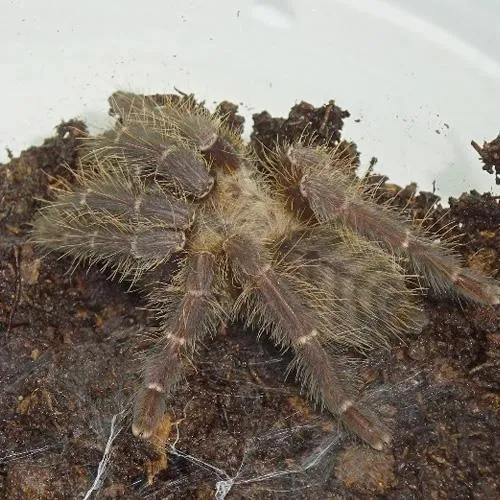
What is a Purple Earth Tiger Tarantula
The Purple Earth Tiger Tarantula, scientifically known as Chilobrachys natanicharum, is a captivating species of tarantula that has gained popularity among arachnid enthusiasts. Native to Southeast Asia, this tarantula is known for its striking purple coloration, making it a visually stunning addition to any collection. These tarantulas are not just beautiful; they also possess unique characteristics that set them apart from other tarantula species. Their relatively docile temperament, combined with their manageable size, makes them a fascinating choice for both novice and experienced keepers. This blog post will delve into the top five fascinating facts about these creatures, providing insights into their appearance, habitat, behavior, and more. Whether you are a seasoned tarantula aficionado or just curious about these amazing animals, you will find this guide informative and engaging.
Appearance and Characteristics
Coloration

The most striking feature of the Purple Earth Tiger Tarantula is its vibrant coloration. Mature females typically exhibit a deep purple hue that covers their carapace, legs, and chelicerae. This coloration becomes more pronounced as the tarantulas mature, with younger specimens often displaying a lighter shade. The intensity of the purple can vary depending on the individual tarantula and its environment. This unique color, combined with the tarantula’s overall build, makes it a sought-after species among tarantula collectors. Observing the change in color during molting is also a fascinating experience, as the new exoskeleton emerges, revealing a fresh, vibrant coat.
Size and Lifespan
Purple Earth Tiger Tarantulas are considered a medium-sized tarantula species. Females tend to be larger than males, with a leg span that can reach up to 5-6 inches. Males are typically smaller, often with a leg span of about 4-5 inches. These tarantulas have a moderate lifespan, with females living significantly longer than males. Female Purple Earth Tiger Tarantulas can live for 8-12 years, while males typically live for only 2-3 years after reaching maturity. Factors such as proper care, diet, and environmental conditions significantly impact their lifespan. Keeping these factors in mind is crucial for anyone considering owning a Purple Earth Tiger Tarantula.
Habitat and Distribution
Natural Environment

In the wild, Purple Earth Tiger Tarantulas are found in the tropical and subtropical regions of Southeast Asia. They inhabit burrows in the earth, often in areas with dense vegetation and high humidity. These tarantulas are terrestrial, meaning they spend most of their time on the ground. Their burrows provide shelter from the sun, predators, and extreme weather conditions. The natural habitat is characterized by a warm and humid climate, which is essential for their survival. Replicating the natural environment in captivity is crucial for the tarantula’s well-being, and keeping the right moisture and heat is very important.
Where They Are Found
Specifically, the Purple Earth Tiger Tarantula is native to Thailand and possibly neighboring countries. They are commonly found in forested areas, grasslands, and other environments with suitable soil for burrowing. The exact distribution can vary, but they are usually found in regions with a consistent tropical climate. Due to their burrowing nature, they are often found in areas with undisturbed soil and adequate cover. Preserving these habitats is important for the long-term survival of the Purple Earth Tiger Tarantula and other species that share their environment.
Behavior and Temperament
Common Behaviors

Purple Earth Tiger Tarantulas are generally considered to be a docile species, though individual personalities can vary. They spend a significant amount of time in their burrows, which they dig themselves or sometimes occupy pre-existing ones. These tarantulas are nocturnal, meaning they are most active during the night. During the day, they typically remain hidden, conserving energy and avoiding potential threats. When they are out and about, they may exhibit behaviors such as exploring their enclosure, waiting for prey, or grooming themselves. It’s essential to observe their behavior to understand their needs and preferences.
Temperament and Handling
Although generally docile, Purple Earth Tiger Tarantulas can be skittish, and they are not recommended for frequent handling. They may exhibit defensive behaviors if they feel threatened, such as flicking urticating hairs (small, irritating hairs on their abdomen) or attempting to bite. It’s essential to handle them with care, and always approach them slowly and calmly. When handling is necessary, it’s best to do so with a soft brush to gently guide them. Always wash your hands thoroughly after handling, as urticating hairs can cause skin irritation. Understanding their temperament is important for ensuring the safety and well-being of both the tarantula and the handler.
Diet and Feeding Habits
What They Eat
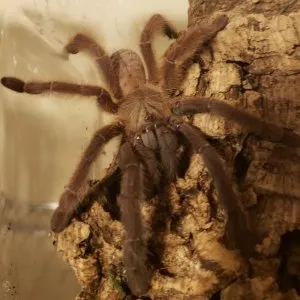
Purple Earth Tiger Tarantulas are carnivores, and their diet primarily consists of insects. In the wild, they feed on a variety of insects, including crickets, cockroaches, beetles, and other invertebrates. In captivity, their diet can be easily replicated by providing a selection of commercially available feeder insects. The size of the prey should be appropriate for the tarantula’s size; typically, the prey should be no larger than the tarantula’s body. It’s important to ensure that the feeder insects are well-fed and gut-loaded before being offered to the tarantula, as this will provide better nutrition.
Feeding Frequency
The feeding frequency of a Purple Earth Tiger Tarantula varies depending on its age and size. Younger tarantulas, which are still growing, require more frequent feeding, usually 2-3 times a week. Adult tarantulas can be fed less frequently, about once a week or every other week. Overfeeding can lead to health problems, so it’s important to monitor the tarantula’s body condition and adjust the feeding schedule accordingly. Also, always remove any uneaten prey within 24 hours to prevent stress on the tarantula and to avoid the growth of mold or mites in the enclosure. Providing a shallow dish of fresh water is also crucial for hydration.
Conservation Status and Threats
Current Status

The conservation status of the Purple Earth Tiger Tarantula is not currently classified as endangered. However, like many tarantula species, they face various threats. Habitat loss due to deforestation and urbanization is one of the main concerns. Additionally, the collection of tarantulas from the wild for the pet trade can also pose a threat, especially if unsustainable practices are used. However, captive breeding programs have been successful in recent years, helping to reduce the pressure on wild populations. Monitoring their populations is important to ensure their long-term survival.
Threats to Survival
The primary threats to the survival of Purple Earth Tiger Tarantulas include habitat loss, the illegal pet trade, and environmental changes. Deforestation for agriculture and development destroys their natural habitats. The collection of tarantulas from the wild, if not managed sustainably, can reduce their populations and disrupt the ecosystem. Climate change and environmental pollution also pose threats, as they can affect the availability of food, water, and suitable living conditions. Conservation efforts, including habitat preservation, regulation of the pet trade, and public education, are crucial for protecting this species and ensuring its survival for future generations.
Conclusion
The Purple Earth Tiger Tarantula is a remarkable species with unique characteristics that make it a popular choice among tarantula enthusiasts. From its striking purple coloration to its relatively docile temperament, this tarantula offers a fascinating glimpse into the world of arachnids. Understanding its habitat, behavior, diet, and conservation status is essential for providing proper care and ensuring its survival. By appreciating these amazing creatures and supporting conservation efforts, we can help protect these stunning tarantulas for years to come. Whether you’re a seasoned keeper or just starting your journey into the world of tarantulas, the Purple Earth Tiger Tarantula is a beautiful and captivating species to learn about and admire.