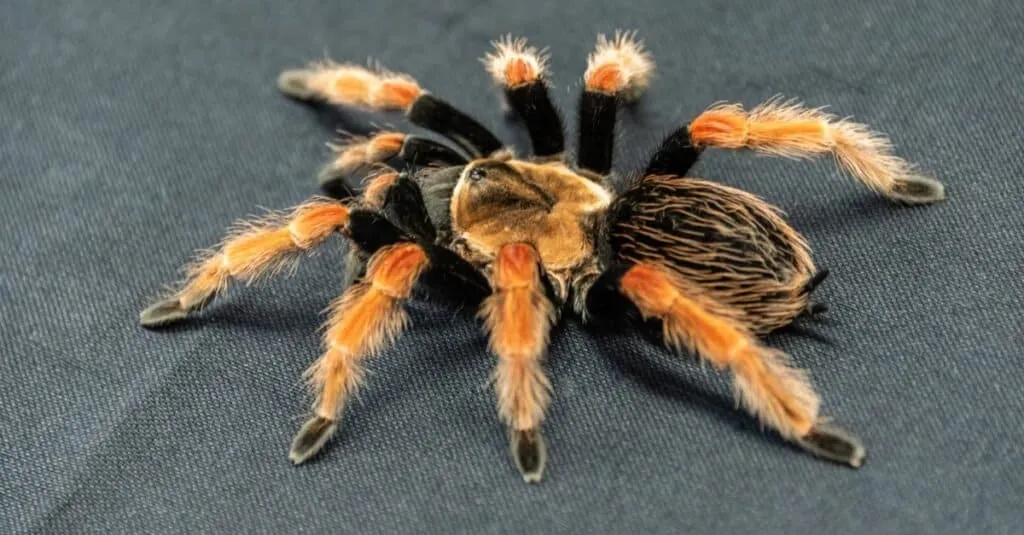
What Do Red Knee Tarantulas Eat
The red knee tarantula (Brachypelma hamorii) is a captivating and popular pet, admired for its striking appearance and relatively docile temperament. Understanding their diet is crucial for their health and well-being. As obligate carnivores, these tarantulas thrive on a diet primarily consisting of insects. Providing the right food and following proper feeding practices will ensure your red knee tarantula lives a long and healthy life. This comprehensive guide explores everything you need to know about feeding your red knee tarantula, from their natural diet to essential supplements and safety precautions.
The Natural Diet
In their natural habitat, red knee tarantulas are opportunistic hunters. They primarily feed on insects, using their fangs to inject venom that immobilizes their prey. The natural diet of a red knee tarantula varies depending on their location and the availability of food, but it almost always includes insects of various kinds. Replicating this natural diet in captivity is essential for their overall health. This includes providing a diverse selection of insects to ensure they receive a balanced intake of nutrients and vitamins, promoting a healthier, happier tarantula.
Insects

The cornerstone of a red knee tarantula’s diet is insects. Crickets, mealworms, and dubia roaches are popular choices, offering a good source of protein and nutrients. The choice of insects should be varied to provide a balanced diet. Variety prevents nutritional deficiencies and keeps your tarantula interested in its food. It’s advisable to rotate between different types of insects to ensure your pet receives a wide range of nutrients, thus promoting overall health and vitality for your red knee tarantula. This also helps to keep the feeding routine engaging and prevents your tarantula from becoming bored with its meals.
Size Matters
When selecting insects, the size is crucial. The general rule is to offer insects that are no larger than the tarantula’s abdomen. This ensures the tarantula can handle and consume the prey effectively. Smaller insects are easier for the tarantula to subdue and eat without difficulty. Overly large prey can pose a risk, as they might injure the tarantula during the feeding process. Regularly assess the size of the insects to ensure they remain appropriate as your tarantula grows and molts. This size-appropriate approach minimizes stress and promotes safe feeding practices.
Meal Frequency
The feeding frequency depends on the tarantula’s age and size. Younger tarantulas, which are still growing, require more frequent feedings. As they mature, the feeding schedule can be adjusted. Regular feeding habits support their development and prevent health issues that could arise from improper nutrition. By creating a feeding schedule, you can ensure that your red knee tarantula receives sufficient food to thrive without overfeeding, therefore contributing to the tarantula’s overall health and well-being.
How Often to Feed

Spiderlings and juvenile tarantulas should be fed every other day or every three days, as they are actively growing. Adult red knee tarantulas can be fed once a week or every other week. Adjust the frequency based on your tarantula’s appetite and overall condition. A tarantula that consistently refuses food may be preparing to molt, while one that is always hungry might need more frequent feedings. The feeding frequency should also be influenced by the tarantula’s overall body condition, and its general activity levels, as these indicators can provide insights into whether adjustments need to be made.
Amount to Feed
The amount of food provided should be adjusted based on the tarantula’s size and appetite. Offer one or two appropriately sized insects per feeding. Do not leave uneaten prey in the enclosure for extended periods, as they can stress the tarantula and potentially cause harm. Overfeeding can lead to health issues, while underfeeding can hinder growth and overall health. Monitoring how much your tarantula eats and making necessary adjustments helps to maintain their well-being and healthy eating habits. Remove any uneaten insects within 24 hours to prevent the risk of potential harm to the tarantula.
Supplements and Enrichment
While insects form the primary diet, supplements and enrichment can enhance your tarantula’s health. These extras ensure your pet receives a balanced diet, preventing potential deficiencies. Careful attention to these supplemental aspects can greatly contribute to your tarantula’s overall well-being. Enriching the diet and the habitat can also positively affect their behavior, enhancing their overall quality of life.
Essential Supplements

While a varied insect diet is essential, supplementing with calcium and vitamins is beneficial, especially for growing tarantulas. These supplements can be dusted onto the insects before feeding. Supplements like calcium and vitamin D3 can help with molting. Vitamin supplements ensure your pet receives all necessary nutrients for optimal health. Consult with a veterinarian or experienced tarantula keeper to determine the best supplements for your pet.
Gut-Loading
Gut-loading the insects before feeding them to your tarantula is an excellent practice. This involves feeding the insects a nutritious diet, such as fruits, vegetables, and commercial insect food, a few days before offering them to your tarantula. Gut-loading increases the nutritional value of the insects. Gut-loaded insects provide more vitamins and minerals to your tarantula. This simple step significantly boosts the health benefits of your pet’s diet, enriching it with a wider array of essential nutrients for better health.
Water Access
Water is as crucial as food. Red knee tarantulas require a constant supply of fresh water. Provide a shallow water dish in their enclosure. The water dish should be shallow enough to prevent drowning. Check and refill the water dish daily to maintain hydration and hygiene. Always ensure that the water is clean, providing a safe and reliable source of hydration for your tarantula, which is critical for its overall well-being.
Avoid These Foods

Avoid feeding your red knee tarantula any food other than insects. This includes meat, processed foods, and anything that is not part of their natural diet. Non-insect foods can be difficult for tarantulas to digest and may lead to health complications. Always stick to a diet that mimics what they would eat in the wild. By avoiding inappropriate foods and focusing on a natural, insect-based diet, you can minimize potential health risks.
Handling and Feeding
Handle your tarantula with caution during feeding. Avoid startling or stressing the tarantula. Use long tongs to offer the insects, keeping your hands at a safe distance. This minimizes stress and reduces the risk of being bitten. Feeding time should be a calm experience for both you and the tarantula. Always ensure that you create a feeding environment that promotes the tarantula’s safety and comfort. Proper handling promotes a safer experience.
Feeding Safety
Always be mindful of your safety. Red knee tarantulas possess urticating hairs on their abdomen that can cause skin irritation if disturbed. While their bite is not life-threatening, it can be painful. When feeding, use long tongs to keep your hands away from the tarantula and its enclosure. This also minimizes the risk of your tarantula feeling threatened, creating a safe and controlled environment for both you and your pet. Prioritizing safety prevents potential health concerns.
Post-Feeding Care

After feeding, monitor your tarantula for any unusual behavior. Ensure the enclosure is clean and well-maintained. Provide fresh water and observe for signs of molting. Proper care and observation after feeding helps maintain their health. Monitoring for signs of illness and ensuring their living environment is suitable contribute to your tarantula’s well-being. Proper post-feeding care supports healthy growth.