Understanding Red Knee Tarantula’s Needs
Setting up a proper enclosure is paramount to the health and well-being of your Red Knee Tarantula (Brachypelma hamorii). These captivating creatures, native to the arid environments of Mexico, have specific needs that must be met to ensure they thrive in captivity. Understanding their natural habitat, behavior, and the reasons behind proper enclosure setup is the first step to becoming a successful tarantula keeper. This comprehensive guide will walk you through every aspect of creating the ideal living space for your eight-legged friend, promoting their longevity and allowing you to witness their fascinating behaviors.
Natural Habitat and Behavior
Red Knee Tarantulas originate from the dry scrublands and deciduous forests of the Pacific coast of Mexico. In their natural environment, they live in burrows, often utilizing pre-existing holes or digging their own. They are terrestrial spiders, spending most of their time on the ground or in their burrows. They are opportunistic hunters, ambushing insects and other small invertebrates. Understanding these natural behaviors is crucial for recreating a suitable captive environment. Their burrowing tendencies and preference for secure, dark spaces influence the choices of substrate and decorations.
Why Enclosure Setup Matters

A well-designed enclosure is more than just a container; it’s a home that caters to the tarantula’s physical and psychological needs. A suitable enclosure provides the correct temperature and humidity, crucial for molting and overall health. Proper substrate supports burrowing behavior and provides a naturalistic environment, reducing stress. Adequate space allows for movement and exploration, while appropriate decorations offer hiding places and enrichment. Failing to provide a proper setup can lead to stress, poor health, and even premature death. Therefore, investing time and effort in creating an optimal habitat is an investment in your tarantula’s well-being.
Choosing the Right Enclosure
Selecting the right enclosure is a critical decision when setting up your Red Knee Tarantula’s habitat. The enclosure needs to be the right size, provide adequate ventilation, and offer a secure environment to prevent escapes. The material of the enclosure and its overall design will impact the ease of maintenance and the tarantula’s comfort. Several factors influence the best choice for your pet, so consider these points carefully before making your purchase.
Size Matters for Red Knee Tarantulas
Size is a crucial factor in enclosure selection. A juvenile Red Knee Tarantula can start in a smaller enclosure, typically 5 to 10 gallons. However, as they grow, they will need more space. A fully grown adult Red Knee Tarantula generally requires an enclosure of at least 10 to 20 gallons. The enclosure should be wider than it is tall, as these are terrestrial spiders. The width and length should allow for adequate space for the tarantula to move around, burrow, and have room for decorations without feeling cramped. Providing too large an enclosure for a juvenile can sometimes make it harder for them to find food.
Glass vs. Acrylic Enclosures

Both glass and acrylic enclosures have their advantages and disadvantages. Glass enclosures are readily available and relatively inexpensive. They offer good visibility, allowing you to observe your tarantula easily. However, glass can be heavy, and it doesn’t retain heat as well as acrylic. Acrylic enclosures are lighter and provide better insulation, which helps maintain a stable temperature. They also offer excellent clarity. However, acrylic can scratch more easily than glass, potentially obscuring the view of your pet. Consider the pros and cons of each material and choose the one that best suits your needs and budget.
Ventilation Requirements
Proper ventilation is essential to prevent mold growth and maintain air quality inside the enclosure. The enclosure should have ventilation holes near the top to allow for air circulation. Avoid enclosures with ventilation only on the top, as this can trap humidity and lead to problems. The amount of ventilation needed will depend on the humidity levels in your home. Ensure that the ventilation system does not allow the escape of the tarantula. Mesh ventilation is a good option, but the mesh size needs to be small enough to prevent the tarantula from squeezing through.
Substrate Selection
The substrate is the foundation of your Red Knee Tarantula’s habitat. It provides a surface for the tarantula to walk on, burrow in, and regulate humidity. The right substrate mimics their natural environment and contributes significantly to their well-being. Selecting the right substrate is an important factor for creating a healthy environment for your pet.
Ideal Substrate Types

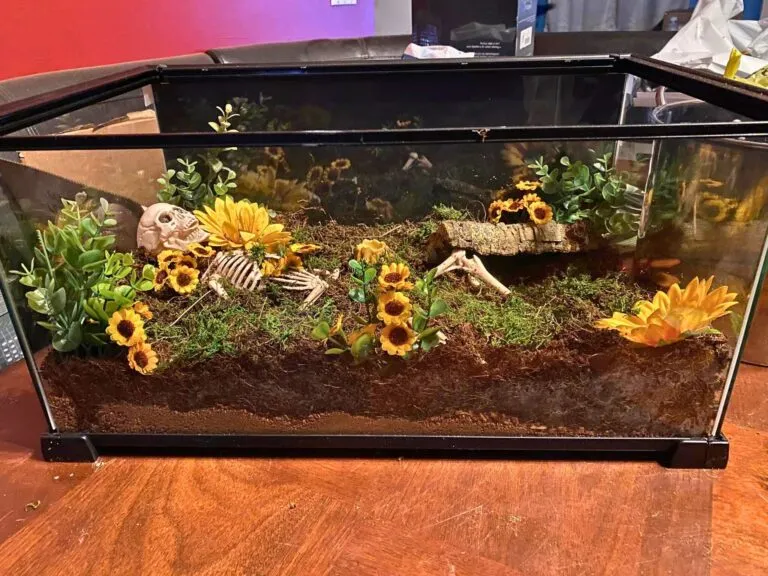
Several substrate options are suitable for Red Knee Tarantulas. A mix of coco fiber and peat moss is a popular choice, offering good moisture retention and allowing the tarantula to burrow. You can also use plain coco fiber or a mix of coco fiber and vermiculite. Avoid using substrates with sharp particles, such as gravel, as they can injure the tarantula. The substrate should be deep enough for the tarantula to burrow comfortably, typically 4-6 inches for adults. Ensure the substrate is free of pesticides or other harmful chemicals.
Substrate Depth and Maintenance
The depth of the substrate is crucial for providing a natural environment for burrowing. Ensure the substrate is deep enough to allow your tarantula to dig a burrow if it desires. The depth should also be considered to allow for adequate humidity levels. You should monitor the substrate regularly for moisture content. Spot-clean the substrate weekly to remove any uneaten food or waste. Replace the entire substrate every 6-12 months to maintain a healthy environment and prevent the buildup of bacteria or mold. Proper maintenance is crucial for the long-term health of your pet.
Temperature and Humidity Control
Maintaining the correct temperature and humidity levels is vital for your Red Knee Tarantula’s health, molting process, and overall comfort. Since these tarantulas come from specific environmental conditions, replicating them in captivity is essential. Regular monitoring and adjustments are necessary to ensure optimal living conditions are achieved.
Optimal Temperature Range

Red Knee Tarantulas thrive in a temperature range of 75-85°F (24-29°C). You can use a digital thermometer to monitor the temperature inside the enclosure. Ensure the temperature is consistent throughout the day and night. Avoid placing the enclosure in direct sunlight, as this can cause the temperature to fluctuate dramatically. If the temperature in your home is too low, you can use a heat mat placed on the side of the enclosure. Avoid placing the heat mat directly under the enclosure, as this can cause the substrate to dry out too quickly and could burn the tarantula.
Maintaining Humidity Levels
Humidity is another critical factor. Aim for a humidity level of 60-70%. You can use a hygrometer to monitor the humidity inside the enclosure. To maintain the correct humidity, lightly mist the enclosure with dechlorinated water once or twice a week, depending on your home’s environment. Avoid over-misting, as this can lead to mold growth. The substrate will also help retain moisture. Ensure good ventilation to prevent condensation. Consider adding a water dish that will assist in regulating the humidity levels.
Heating Options
Several heating options can be used to maintain the correct temperature. Heat mats are a popular choice, as they are safe and easy to use. Place the heat mat on the side of the enclosure, not the bottom. Ceramic heat emitters (CHEs) can also be used, but they require a thermostat to control the temperature and should be placed outside the enclosure. Avoid using incandescent bulbs, as they can dry out the enclosure and may be difficult to control. The best choice depends on the specific conditions of your home and the size of the enclosure.
Decorating the Enclosure

Decorations not only enhance the aesthetic appeal of the enclosure but also provide essential enrichment and security for your Red Knee Tarantula. Appropriate decorations can mimic their natural habitat and reduce stress. Providing hiding places and climbing structures will create a more stimulating environment, contributing to the overall well-being of your tarantula.
Essential Decorations
The most important decoration is a hide or shelter. This can be a piece of cork bark, a half-log, or a commercially available tarantula hide. The hide provides a secure place for the tarantula to retreat and feel safe. You can also add other decorations, such as artificial plants or small rocks, but avoid anything that could potentially harm the tarantula. Ensure all decorations are clean and free of sharp edges. Avoid using anything that could be toxic if ingested.
Hiding Places
Hiding places are crucial for Red Knee Tarantulas. They are naturally shy and prefer to have a secure place to retreat. A hide should be large enough for the tarantula to completely conceal itself but not so large that it feels exposed. Cork bark, specifically, is an excellent choice. Position the hide in a location where the tarantula can easily access it. Having multiple hiding spots can provide additional security and enrichment for the tarantula.
Water Dish and Placement

A shallow water dish is essential for providing fresh water. The dish should be shallow enough to prevent the tarantula from drowning. Place the water dish away from the heat source to prevent the water from evaporating too quickly. Regularly clean and refill the water dish with dechlorinated water. The water dish also helps maintain humidity levels within the enclosure. Ensure the dish is stable and cannot be easily tipped over by the tarantula.
Feeding and Watering
Proper feeding and watering are vital for the health and longevity of your Red Knee Tarantula. Understanding their dietary needs and establishing a consistent feeding schedule will help your tarantula thrive in captivity. Providing fresh water at all times is equally important for their hydration and overall well-being.
Feeding Frequency and Prey Size
The feeding frequency depends on the tarantula’s age and size. Spiderlings (young tarantulas) can be fed 2-3 times a week. Sub-adults can be fed once or twice a week, and adults can be fed once a week or every other week. The prey size should be appropriate for the tarantula’s size. Crickets, mealworms, and roaches are common food sources. Always remove any uneaten prey after 24 hours. Ensure the prey is gut-loaded (fed nutritious food) before feeding them to your tarantula, as this will provide more vitamins and nutrients. Avoid overfeeding, as this can lead to health problems.
Watering Schedule

Fresh water should always be available. Fill the water dish regularly. The frequency of watering depends on the humidity levels and the substrate. Mist the enclosure lightly with dechlorinated water once or twice a week to maintain the correct humidity. Always use dechlorinated water, as chlorine can be harmful to tarantulas. Observe your tarantula for signs of dehydration, such as a shriveled abdomen. A healthy tarantula will have a plump abdomen.
Enclosure Maintenance
Regular maintenance is crucial for keeping your Red Knee Tarantula’s enclosure clean and healthy. This includes regular cleaning, substrate replacement, and monitoring your tarantula for any signs of health issues. Proper maintenance helps prevent the buildup of bacteria and mold and ensures a safe environment for your pet. Consistent upkeep is essential for the long-term well-being of your tarantula.
Regular Cleaning
Spot-clean the enclosure weekly to remove any uneaten food, feces, or shed exoskeletons. Use a small scoop or tongs to remove waste and uneaten prey. Avoid using harsh chemicals or cleaning agents. You can wipe down the sides of the enclosure with a damp cloth. Be careful not to disturb the substrate excessively during cleaning. Ensure that the enclosure is completely dry before returning your tarantula. Regular cleaning prevents the buildup of bacteria and mites.
Substrate Replacement
Replace the entire substrate every 6-12 months, or sooner if it becomes excessively soiled or moldy. When replacing the substrate, remove the tarantula to a temporary enclosure. Clean the enclosure thoroughly with warm water and allow it to dry completely. Replace the substrate with fresh, clean substrate. Return the tarantula to the clean enclosure. This helps to maintain a healthy environment and prevent the buildup of harmful bacteria or mold.
Monitoring for Health
Regularly monitor your tarantula for any signs of health issues. Look for changes in behavior, such as lethargy or loss of appetite. Check for any signs of parasites or mites. Inspect the tarantula’s abdomen for any unusual swelling or discoloration. Observe the tarantula’s posture and movement. Any unusual signs can mean a health issue and a veterinarian’s visit might be needed. Early detection of any potential problems is crucial for successful treatment.
Common Problems and Solutions
Even with the best care, some problems can arise in your Red Knee Tarantula’s enclosure. Being prepared for common issues and knowing how to address them will help you keep your tarantula healthy and happy. Early detection and treatment are vital for resolving any problems.
Mites and Other Pests
Mites are a common problem in tarantula enclosures. They can be introduced through the substrate, decorations, or live prey. If you see mites, remove them immediately. Quarantine the tarantula and clean the enclosure. Consider replacing the substrate and decorations. You can also try using mite treatments specifically designed for tarantulas. Preventative measures include quarantining new items before introducing them to the enclosure and maintaining a clean environment.
Molding Substrate
Mold growth in the substrate is a sign of excessive humidity or poor ventilation. If you see mold, reduce the humidity, improve ventilation, and remove the affected substrate. You can use a dehumidifier to help control humidity levels. Replace the entire substrate if the mold is widespread. Preventing mold involves monitoring humidity levels, ensuring adequate ventilation, and avoiding over-misting. Proper ventilation is key to keeping the enclosure mold-free. Regularly check the substrate and remove any wet spots or areas where mold is beginning to form.
Conclusion
Setting up the perfect Red Knee Tarantula enclosure is a rewarding experience that provides a healthy and enriching environment for your pet. By understanding their needs, choosing the right materials, and providing consistent care, you can create a thriving habitat where your tarantula will flourish. Remember to regularly monitor the enclosure, adjust the environment as needed, and enjoy the fascinating world of your Red Knee Tarantula. With careful attention to detail, you can provide a long and fulfilling life for your eight-legged friend, filled with opportunities to observe their unique behaviors and appreciate their beauty. Continuous learning and adaptation are key to being a responsible and successful tarantula keeper.