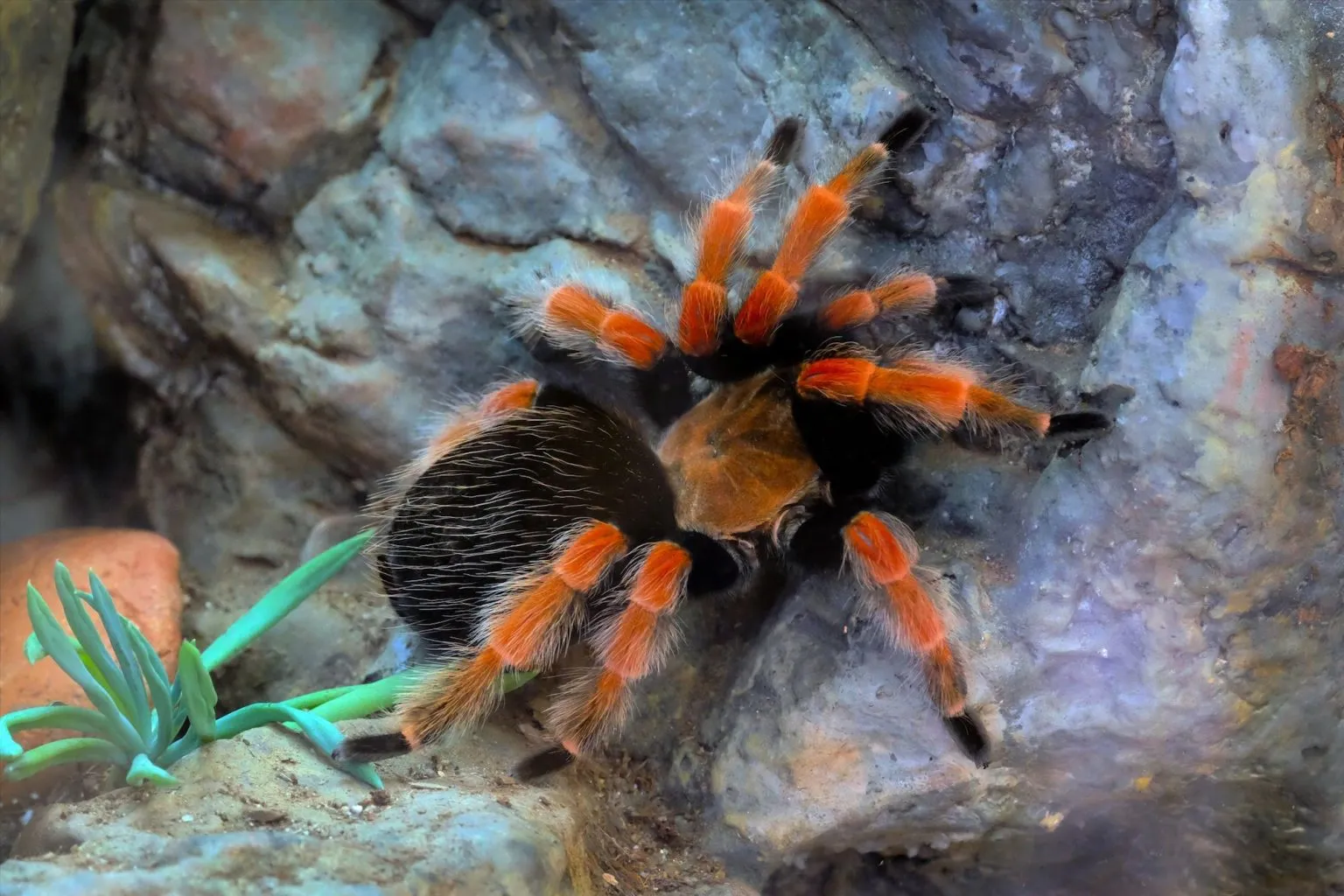
Understanding Red Knee Tarantula Price
The red knee tarantula, scientifically known as Brachypelma hamorii, is a popular pet due to its striking appearance and relatively docile nature. Before you bring one of these fascinating creatures home, it’s essential to understand the factors that influence their price. This guide provides a comprehensive overview of the costs associated with purchasing and caring for a red knee tarantula, ensuring you’re well-prepared for this exciting endeavor. The price of a red knee tarantula can vary significantly, influenced by several variables that we will explore in detail. Understanding these factors will empower you to make an informed decision, ensuring you get a healthy tarantula at a fair price while avoiding potential pitfalls.
Factors Influencing Red Knee Tarantula Price
Several factors determine the price of a red knee tarantula. These elements affect not only the initial cost but also the overall value and quality of the tarantula. From the spider’s age and size to its origin and health, understanding each aspect is crucial for making a smart purchase. Recognizing how these factors intertwine will help you negotiate with breeders, identify potential issues, and budget accordingly. Let’s dive into the specific variables that directly impact the price of your future pet.
Age and Size

Generally, younger red knee tarantulas (spiderlings) are less expensive than older, more mature specimens. Spiderlings are small, delicate, and require a specific environment. The cost increases as the tarantula grows because they become more resilient and their sex can be determined. Larger, more developed tarantulas are typically priced higher due to their advanced age and the increased certainty of their sex. The size also reflects the time and resources the breeder invested in the tarantula’s development. Consider your experience level; beginners might find a juvenile easier to manage, while experienced keepers might prefer a larger specimen.
Morphs and Coloration
While Brachypelma hamorii is the standard red knee, variations in color and pattern can influence the price. Some breeders may specialize in specific morphs, which are variations in the species’ appearance. These morphs, if they exist, can command a higher price due to their rarity or unique characteristics. The vibrancy and quality of the coloration are often important, with tarantulas exhibiting exceptional markings and a vivid red often being more valuable. Keep in mind that some variations are the result of selective breeding, while others might be natural occurrences.
Origin and Source
The origin of the red knee tarantula plays a role in its price. Tarantulas bred in captivity by reputable breeders are usually more expensive. Captive-bred tarantulas are typically healthier and less stressed. They are also less likely to have parasites or diseases. Furthermore, purchasing from reputable sources supports ethical breeding practices, ensuring the conservation of wild populations. Be wary of tarantulas of unknown origin or those sourced from dealers who may not prioritize the spider’s welfare.
Health and Condition

The health and condition of the tarantula are crucial factors in determining its price. A healthy tarantula should be active, alert, and exhibit good feeding habits. The abdomen should be well-filled, not shrunken. Look for signs of parasites or injuries, as these can affect the spider’s health and lifespan. Tarantulas in poor condition, such as those with missing limbs or signs of illness, should be significantly cheaper, if purchased at all. A thorough inspection of the tarantula is crucial before making a purchase, and always ask questions about the spider’s history.
Where to Buy a Red Knee Tarantula
Choosing the right source for your red knee tarantula is just as crucial as understanding the price. The seller’s reputation, the health of their tarantulas, and the overall care provided will greatly impact your experience. There are several places to buy a red knee tarantula, each with its own advantages and disadvantages. The location where you buy your tarantula will also influence the price, so understanding each option is important.
Reputable Breeders vs. Pet Stores
Reputable breeders are often the best source for purchasing a red knee tarantula. Breeders usually specialize in tarantulas and have extensive knowledge of their care. They are more likely to provide healthy, well-cared-for specimens. Furthermore, they can offer valuable advice and support. Pet stores can also sell red knee tarantulas, but the quality and care can vary significantly. It’s crucial to research the store’s reputation and examine the tarantula carefully. Avoid buying from stores that do not prioritize animal welfare.
Online Marketplaces

Online marketplaces offer a wide variety of tarantulas from different sellers. These platforms can provide access to a broader selection. However, they also come with increased risks. Be sure to research the seller’s reputation and read reviews. Verify that the seller complies with local and state regulations regarding the sale of exotic animals. Always ask for clear photos and videos of the tarantula. Ensure that the seller offers guarantees regarding the tarantula’s health and safe delivery. If possible, opt for sellers in your local area to minimize shipping stress.
Hidden Costs of Owning a Red Knee Tarantula
Beyond the initial purchase price, there are several ongoing costs associated with owning a red knee tarantula. These expenses can add up over time, so it’s essential to consider them when budgeting. Understanding the hidden costs will help you ensure you can provide the best possible care for your tarantula and avoid unexpected financial burdens. Proper planning will also help you avoid any potential issues during the lifetime of the tarantula.
Enclosure and Setup Costs
A suitable enclosure is vital for the health and well-being of your red knee tarantula. You’ll need a terrarium of the appropriate size, substrate (such as coconut fiber or peat moss), a water dish, and decorations. The initial setup costs can vary depending on the size of the enclosure and the type of decorations you choose. You will also need to consider the costs of maintaining the enclosure. The cost of replacing the substrate, cleaning supplies, and any additional equipment are a regular expense.
Feeding and Maintenance Expenses

Red knee tarantulas eat insects, and you’ll need to factor in the cost of their food. Crickets, mealworms, and roaches are common choices, and their prices fluctuate based on location and supplier. You’ll also need to maintain the enclosure by spot-cleaning the substrate and replacing the water. These ongoing maintenance activities, while not costly in themselves, require time and commitment.
Long-Term Care Considerations
Red knee tarantulas can live for many years, which means you must be prepared for long-term care. This includes the potential costs of veterinary care if the tarantula gets sick or injured. While tarantulas do not require frequent vet visits, finding an experienced exotic animal veterinarian is essential. Long-term care also includes ensuring a stable environment, proper temperature, and humidity, and regular enclosure maintenance. Considering these long-term costs when making your initial purchase ensures you are ready to provide the best possible care for the life of your pet.
Comparing Red Knee Tarantula Prices
When comparing red knee tarantula prices, it’s essential to look beyond the initial cost and consider the overall value. This involves assessing the tarantula’s health, origin, and the support the seller provides. Comparing prices from various sources allows you to find a good deal while ensuring the tarantula’s well-being. Understanding average price ranges and what to expect in terms of value will help you make a savvy purchase.
Average Price Ranges

The price of a red knee tarantula can vary widely. Spiderlings typically cost less than adults, often starting around $20-$40. Juveniles can range from $40-$80, while adult females can cost $80-$150 or more. Adult males are often less expensive because they have a shorter lifespan. These prices are general and can vary. The reputation of the seller and the tarantula’s condition can also influence the price. Always compare prices from multiple sources to get the best deal.
Value for Money
Value for money means getting the best tarantula for your budget. Consider not only the initial price but also the tarantula’s health, size, and the seller’s reputation. A slightly higher price from a reputable breeder can be a better value than a lower price from an unknown source. Look for sellers who provide health guarantees, clear photos, and helpful advice. Investing in a healthy, well-cared-for tarantula will save you potential vet bills and provide you with a more enjoyable experience.
Tips for Finding the Best Red Knee Tarantula Price
Finding the best red knee tarantula price involves research, patience, and a bit of savvy negotiation. With the right approach, you can acquire a healthy and beautiful tarantula without overspending. Here are some tips to help you on your search.
Research and compare prices from multiple sources. Ask for health guarantees and check the seller’s reputation. Don’t hesitate to ask questions about the tarantula’s origin, feeding habits, and any other relevant details. Remember that the cheapest option isn’t always the best. Prioritize the health and well-being of the tarantula, and you’ll be well on your way to enjoying a rewarding experience.
Consider purchasing from a local breeder if possible to avoid shipping costs and reduce stress on the tarantula. Be patient and wait for the right opportunity, as prices can fluctuate. If you’re comfortable, consider purchasing a slightly younger specimen to save money. However, remember that you will need to provide proper care and have experience.
By following these guidelines, you can find a red knee tarantula that fits your budget while ensuring you provide a happy and healthy home for your new pet. Enjoy the process of learning and caring for these amazing creatures, and embrace the rewards of owning a red knee tarantula.