Red Knee Tarantulas What are They
Hey there, young explorers! Have you ever heard of a Red Knee Tarantula? These amazing creatures are like the superheroes of the spider world. They’re big, hairy, and have striking red markings on their knees, which is where they get their cool name from! Imagine a spider as big as your hand - that’s how impressive these guys can be. They’re not just any spiders; they belong to a special group called tarantulas. Tarantulas are known for being generally calm and fascinating to watch. If you’re curious about these incredible arachnids, you’ve come to the right place! Let’s dive into the world of the Red Knee Tarantula and discover what makes them so special.
Appearance of Mexican Red Knee Tarantulas
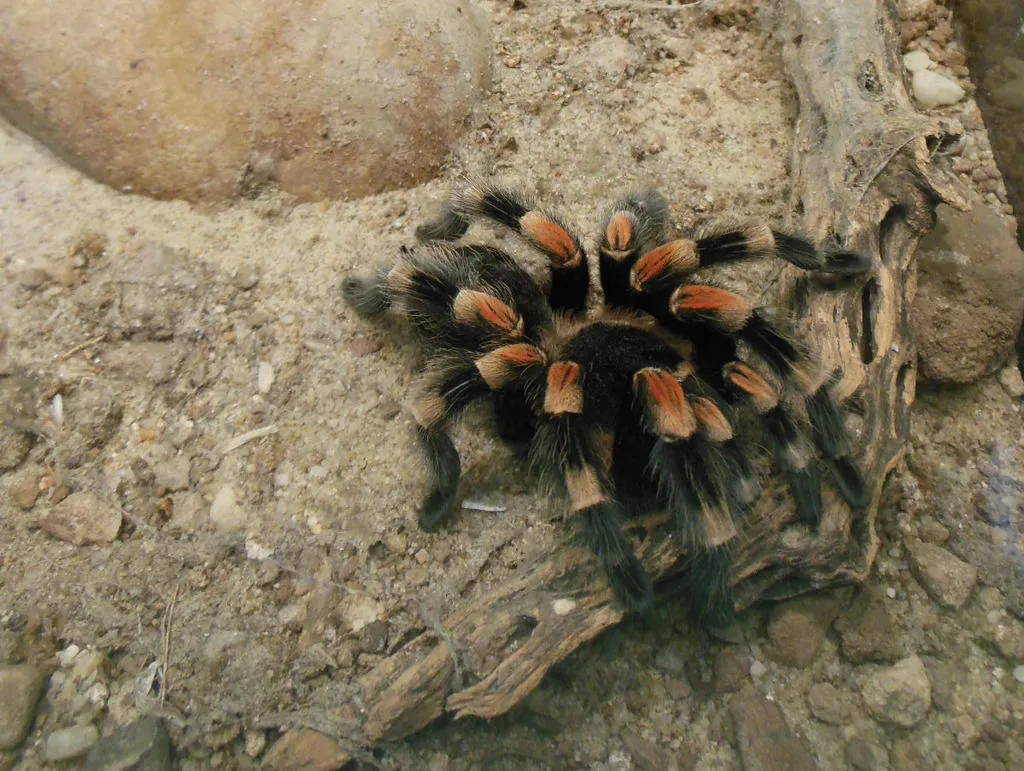
Let’s talk about what makes a Red Knee Tarantula look so awesome. These tarantulas have a dark body, often a deep black or brown color, which helps them blend in with their surroundings. The real showstopper is their knees; they have vibrant red or orange markings that stand out boldly against their dark bodies. This unique color combination is what makes them so easily recognizable and why they’re such a favorite among tarantula enthusiasts. They also have lots of tiny hairs all over their body, which they use to sense their environment. These hairs help them feel vibrations, detect air movements, and even taste the world around them. Their eight eyes might seem a bit intimidating, but they’re mostly used for detecting movement rather than seeing detailed images.
Size and Lifespan

So, how big do these amazing spiders get, and how long do they live? A full-grown Red Knee Tarantula can have a leg span of up to six inches, which is about the size of a dinner plate! That’s pretty big for a spider, right? Now, for the lifespan, these tarantulas are like the turtles of the spider world. Female Red Knee Tarantulas can live for a very long time, often 20 to 25 years or even longer! Males, unfortunately, don’t live quite as long, usually only 5 to 10 years. Imagine having a pet that can be around for almost your entire childhood and beyond. Their long lifespans make them fascinating and a long-term commitment for any spider enthusiast.
Habitat and Where They Live
Red Knee Tarantulas are native to the warm, dry forests of Mexico, specifically the Pacific coast. In the wild, they like to burrow in the ground or hide under rocks and logs, creating a cozy home for themselves. They prefer environments that are not too hot and not too cold, and they definitely don’t like getting wet. Their natural habitat provides them with the perfect conditions for survival, including plenty of insects to eat and places to hide from predators. When you see pictures of their natural habitat, you’ll notice that the environments are quite dry and arid, which perfectly suits their needs. This is why it’s super important to recreate similar conditions if you were to keep one as a pet.
Top 5 Facts about Red Knee Tarantulas
Fact 1 Amazing Colors

We’ve already mentioned it, but the vibrant red or orange markings on their knees are a real showstopper. These colors aren’t just for looking pretty; they might also serve as a warning to predators. Think of it like nature’s way of saying, “Hey, stay away!” The contrast between their dark bodies and bright knees makes them easy to spot, even in the dim light of their burrows. The intensity of the colors can also vary, with some tarantulas having brighter and bolder markings than others. This visual pop makes the Red Knee Tarantula one of the most visually appealing tarantula species.
Fact 2 Gentle Giants
Compared to some other tarantula species, Red Knee Tarantulas are known for being quite gentle. They are generally not aggressive and prefer to run and hide rather than bite if they feel threatened. This makes them a relatively good choice for people who are new to keeping tarantulas, provided they are handled with care and respect. However, it’s super important to remember that they are still wild animals, and you should always treat them with caution. They might be gentle, but they still have fangs and can bite if they feel provoked, so handling should always be done carefully and under supervision.
Fact 3 Molting Process
Like all tarantulas, the Red Knee Tarantula needs to molt, or shed its exoskeleton, to grow. This is a fascinating process where they basically crawl out of their old skin! Before molting, they might stop eating and become very still. The old exoskeleton cracks open, and the tarantula slowly wiggles its way out, revealing a brand-new, softer body. During this time, the tarantula is extremely vulnerable. The new exoskeleton will harden over a few days. You might even find their old skin (the molt) in their enclosure. It’s a bit like finding a ghost of your tarantula! Molting allows them to grow bigger and replace any lost limbs.
Fact 4 What They Eat

These tarantulas are carnivores, which means they eat meat. Their main diet in the wild and as pets consists of insects. Crickets, mealworms, and roaches are among their favorite meals. They use their fangs to inject venom into their prey, which helps them digest it. The tarantula then sucks up the liquefied meal. Watching them eat can be a very interesting experience, but it is definitely not for the faint of heart. They are patient hunters and will often wait for the perfect moment to strike. Keep in mind that you should never feed a tarantula anything larger than its abdomen, and always ensure that the insects are healthy and free from pesticides.
Fact 5 Handling with Care
While they’re generally gentle, it is important to handle a Red Knee Tarantula with extreme care. Even though they are not typically aggressive, they might bite if they feel threatened or startled. Avoid handling them unless necessary, and if you do, always do it while sitting down, just in case they fall. It’s best to let them walk onto your hand gently rather than trying to pick them up. Always supervise kids when they are near or interacting with a tarantula. Never squeeze or try to restrain the tarantula. Remember, their health and safety comes first. Always wash your hands thoroughly after handling the tarantula or anything in its enclosure.
Caring for a Red Knee Tarantula
Setting up the Terrarium

If you’re thinking about keeping a Red Knee Tarantula, you’ll need to set up a proper home for it. This is called a terrarium. First, you will need a glass or plastic enclosure. The size of the terrarium should be appropriate for the tarantula’s size; a good rule is to make sure it’s at least three times the tarantula’s leg span in width. The enclosure should have a secure lid to prevent the tarantula from escaping. Inside, you’ll need a substrate, which is a bedding material. Coconut fiber or a mixture of peat moss and vermiculite works well. Add a water dish that is shallow and easy to access for the tarantula to drink from. It’s also a good idea to provide a hide, like a piece of cork bark or a hollow log, where the tarantula can feel safe and secure. You want to create an environment that mimics their natural habitat.
Feeding Your Tarantula
Feeding your Red Knee Tarantula is a key part of their care. They typically eat one or two insects per week, depending on their size and how old they are. Crickets and mealworms are common choices, but you can also try offering roaches. Before you feed your tarantula, make sure the insects are healthy and have been fed themselves. This helps ensure they are nutritious. Don’t offer too many insects at once, as uneaten insects can stress the tarantula. After your tarantula eats, you may need to remove any uneaten food from the enclosure to prevent mold growth. Always provide fresh water in a shallow dish, and keep an eye on their feeding habits to ensure they are eating well.
Handling and Safety Tips
If you choose to handle your Red Knee Tarantula, it’s crucial to follow safety guidelines. Always wash your hands before and after handling. Avoid handling the tarantula unnecessarily. When handling, do it close to the ground or while seated, so that if the tarantula falls, it doesn’t fall far. Be gentle and let the tarantula walk onto your hand rather than trying to grab it. Never squeeze or restrain the tarantula, as this can make it feel threatened and more likely to bite. Always supervise children when they are near the tarantula. Be aware of the urticating hairs, which the tarantula can kick off as a defense mechanism. These hairs can irritate your skin and eyes, so be careful and avoid touching them.
Conclusion

So, there you have it! Red Knee Tarantulas are fascinating creatures, perfect for anyone interested in the world of spiders. From their amazing colors to their relatively gentle nature, these tarantulas are captivating pets for those willing to learn and care for them properly. Remember, these are exotic pets and require responsibility and understanding. If you’re thinking about getting one, do your research, set up the right habitat, and always handle them with care and respect. Enjoy the amazing world of Red Knee Tarantulas, and get ready to explore the wonderful world of arachnids!