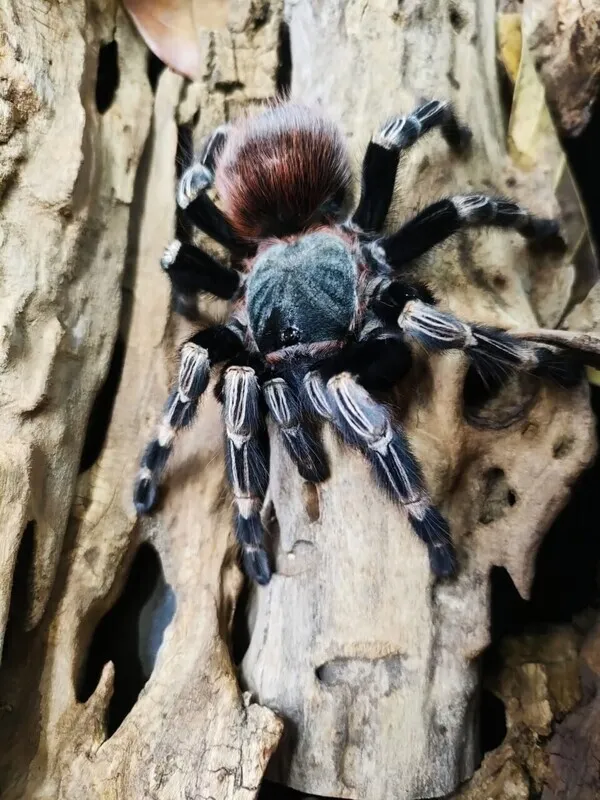
Red Tarantula Sling Care: Top 5 Facts
Caring for a red tarantula sling can be an incredibly rewarding experience. These tiny arachnids, with their vibrant colors and fascinating behaviors, make captivating pets. However, their small size and delicate nature require specific care to ensure their health and well-being. This guide provides the top five essential facts you need to know to successfully raise a red tarantula sling, from setting up their habitat to understanding their needs. Understanding these key aspects of their care will set you on the right path to becoming a successful tarantula keeper and enjoying the unique charm of your red tarantula sling. Let’s delve into the crucial elements that will help your sling thrive.
Fact 1: Housing Essentials
The foundation of a healthy red tarantula sling is its housing. A proper enclosure provides security, regulates environmental conditions, and allows the sling to thrive. The size and type of enclosure, along with the substrate used, play critical roles in the sling’s overall health. A well-designed enclosure mimics their natural habitat, reducing stress and increasing their longevity. It’s important to consider ventilation, ease of cleaning, and accessibility for feeding and watering. Proper housing will enable your red tarantula sling to live a long and healthy life. Always remember to prioritize their environment, as it’s the key to their happiness and well-being.
Substrate Selection

Choosing the right substrate is crucial for a red tarantula sling’s comfort and health. The substrate not only provides a comfortable surface for the sling but also helps to maintain humidity levels and allows them to burrow if they choose. Ideal substrates include a mixture of coco fiber, vermiculite, and a small amount of sphagnum moss. Avoid substrates with sharp particles or those that can mold easily. The substrate should be deep enough to allow for burrowing, which offers a sense of security for your sling. Ensure that the substrate is kept clean and regularly replaced to prevent the buildup of bacteria and mites. The right substrate creates a healthy and stress-free environment.
Enclosure Size
The enclosure size should be proportionate to the size of your red tarantula sling. A good rule of thumb is to provide an enclosure that is approximately three times the sling’s leg span in width and length. This allows ample space for movement and exploration. Avoid enclosures that are excessively large, as this can make it difficult for the sling to find food and can also make them feel insecure. A small, secure enclosure is preferable to a large, open space. As your sling grows, you will need to upgrade to a larger enclosure. Always monitor the size of your sling and adjust the enclosure size accordingly to ensure their comfort and well-being. Choose a suitable enclosure to help them thrive.
Fact 2: Humidity and Temperature
Maintaining the correct humidity and temperature levels is vital for a red tarantula sling’s health. These factors are crucial for proper molting, feeding, and overall well-being. Fluctuations in either humidity or temperature can lead to stress, dehydration, and other health problems. Monitoring and adjusting these environmental factors is a daily task, but necessary to provide the best care. By creating a stable and suitable environment, you contribute significantly to your sling’s health and longevity. Consistent humidity and temperature levels are essential for creating the perfect habitat.
Maintaining Humidity Levels
Humidity levels can be monitored with a hygrometer placed inside the enclosure. Most red tarantula slings thrive in a humidity range between 60% and 70%. To maintain humidity, you can lightly mist the enclosure with dechlorinated water a few times a week. The frequency will depend on the ventilation in the enclosure and the ambient humidity in your home. Avoid over-misting, which can lead to mold growth. Ensure that the substrate is slightly damp but not saturated. Proper ventilation will also help regulate humidity. Monitoring and adjusting humidity levels is a crucial aspect of tarantula care. It is a key factor in their overall health.
Temperature Regulation
Red tarantula slings typically do well at temperatures between 75°F and 80°F (24°C and 27°C). You can use a digital thermometer to monitor the temperature inside the enclosure. Maintaining a consistent temperature is crucial for their metabolism and overall well-being. In most homes, this temperature range is easily achievable. However, if your home is particularly cold, you may need to use a small heat mat placed on the side of the enclosure, avoiding direct contact with the sling. Ensure the heat mat is regulated by a thermostat to prevent overheating. Always provide a temperature gradient so that the sling can regulate its body temperature. A stable temperature is crucial for their survival.
Fact 3: Feeding Your Sling
Feeding your red tarantula sling is an important part of their care. Providing the correct food in the right amounts is crucial for their growth and development. Overfeeding can lead to health problems, while underfeeding can stunt growth. Regular monitoring and adjustment of their diet is necessary as the sling grows. Understanding their dietary needs, as well as their eating habits, will significantly contribute to their health and vitality. Remember that a well-fed sling is a healthy sling, and a healthy sling is a happy sling.
Prey Size and Frequency
The size of the prey should be proportionate to the size of your red tarantula sling. As a general rule, the prey should be no larger than the sling’s abdomen. For very small slings, it’s best to offer flightless fruit flies or pre-killed pinhead crickets. As your sling grows, you can gradually increase the size of the prey. Feed your sling 1-2 times per week, depending on its size and appetite. Always remove any uneaten prey within 24 hours to prevent stress and possible injury to your sling. Regular feeding schedules ensure a healthy and happy sling. Monitor their eating habits and adjust feeding frequency to suit their needs.
Types of Food
A variety of feeder insects can be offered to your red tarantula sling. Common options include small crickets, mealworms, and roaches. It is essential to gut-load the feeder insects before feeding them to your sling. This means feeding the insects a nutritious diet, such as fruits, vegetables, and commercial insect food. Gut-loading enhances the nutritional value of the prey for your sling. Avoid feeding your sling wild-caught insects, as they may carry parasites or pesticides. Always provide fresh food and water for the feeder insects to keep them healthy. Provide a varied diet to promote balanced growth and development.
Fact 4: Water and Hydration
Providing a clean water source is essential for a red tarantula sling’s survival. Hydration is necessary for all bodily functions, including molting. Failure to maintain proper hydration can lead to serious health issues. Regularly monitoring their water intake and offering the correct water source contributes significantly to their health. Always make sure the water source is accessible and kept clean, which will help ensure your sling’s well-being and keep them healthy and thriving. A constant supply of fresh, clean water is key for a red tarantula sling’s health.
Water Dish or Spraying

For very small slings, it’s often easier to provide water by lightly misting the enclosure a few times a week. This allows them to drink from the water droplets. As the sling grows, you can introduce a shallow water dish. Ensure the water dish is shallow enough to prevent drowning. Use a small cotton ball or sponge in the water dish to provide a safe drinking source for small slings. Always use dechlorinated water to prevent harm from chemicals found in tap water. Regularly clean and refill the water dish with fresh water. Water should always be available and easily accessible.
Monitoring Water Intake
Observe your red tarantula sling to ensure it’s drinking water regularly. Signs of dehydration include a shrunken abdomen and lethargy. If you notice these signs, increase the frequency of misting or ensure a constant water source. The substrate should be slightly damp, but not waterlogged. Monitor the overall condition of your sling and adjust the hydration strategy as needed. Provide a consistent water source to help them thrive. Always monitor and address any signs of dehydration promptly. Keep a watchful eye on their well-being.
Fact 5: Handling and Safety
Handling red tarantula slings is generally not recommended due to their delicate nature and potential for accidental harm. Even gentle handling can be stressful for the sling. Always prioritize the safety of your sling. If you must handle your sling for any reason, do so with extreme caution and care. Understanding their behavior and taking necessary precautions is crucial for a safe and enjoyable experience. Always remember, their well-being is the priority. A safe environment is the best environment.
When to Avoid Handling

It is best to avoid handling your red tarantula sling, especially when it is molting, about to molt, or has recently molted. During these periods, they are particularly vulnerable. Also, avoid handling if the sling appears stressed or agitated. Never handle a sling that is exhibiting defensive behaviors, such as raising its legs or flicking hairs. Always observe their behavior and prioritize their safety. If handling is unavoidable, do so with extreme caution and understanding of their needs. Choose the right time and moment for handling.
Safety Precautions
If you must handle your red tarantula sling, always do so over a soft surface, such as a bed or a padded table, to prevent injury if it falls. Avoid quick movements and sudden noises. Always wash your hands before and after handling, and never use scented soaps or lotions. Be aware that red tarantulas have urticating hairs that can cause irritation. Minimize any unnecessary handling, as it can be stressful and potentially harmful to your sling. Your cautious approach is critical for their health and well-being.