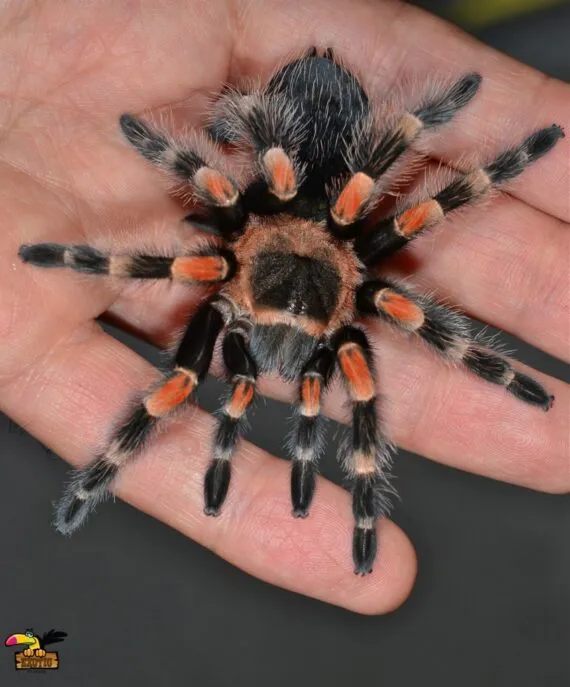
What is a Redknee Tarantula
The Redknee Tarantula, scientifically known as Brachypelma hamorii, is a captivating and popular species among tarantula enthusiasts. Native to the arid scrublands and tropical deciduous forests of the Pacific coast of Mexico, these spiders are renowned for their striking appearance and relatively docile temperament, making them a favorite choice for beginners and experienced keepers alike. Their vibrant coloration, featuring black legs with distinct red or orange markings at the ‘knees’ (the joints between the femur and patella), gives them their common name. This species is not only visually appealing but also relatively long-lived, with females capable of surviving for up to 25 years in captivity. This longevity, coupled with their manageable size and relatively low-maintenance needs, contributes to their enduring popularity as pets. Moreover, the Redknee tarantula’s relatively calm demeanor compared to some other tarantula species further enhances its appeal for those new to arachnid keeping.
Origin and Habitat
Understanding the natural habitat of the Redknee Tarantula is crucial for providing proper care in captivity. They are native to the western side of Mexico, specifically the states of Guerrero and Jalisco. In their natural environment, they are found in dry, scrubby areas and tropical deciduous forests. These tarantulas are terrestrial, meaning they spend most of their time on the ground. They are burrowing spiders, digging tunnels under rocks, logs, and within the soil to create their homes. The climate in their native habitat is characterized by distinct wet and dry seasons. This means they are adapted to tolerate periods of both high humidity and drought. Replicating these conditions in captivity is essential for their well-being, ensuring they thrive and exhibit natural behaviors. Mimicking their natural environment, including the temperature, humidity, and substrate, helps them feel secure and content, ultimately contributing to their health and longevity in a captive setting.
Physical Description

The Redknee Tarantula is easily identifiable by its striking appearance. The most notable feature is the vibrant red or orange coloration of the joints of their legs, specifically the patella or ‘knee’ area, which contrasts beautifully with their black legs and carapace (the upper shell of the cephalothorax). Adults typically reach a leg span of up to 6 inches (15 cm) to 7 inches (18 cm), with females generally being larger and more robust than males. The body is covered with small hairs, which provide sensory information and help the tarantula detect movement and vibrations. The abdomen is usually covered in urticating hairs, which the spider can flick off as a defense mechanism. The overall coloration can vary slightly depending on the individual tarantula and its age, but the red knees remain a consistent and defining characteristic. The carapace, or head region, can also have a reddish hue, adding to the spider’s overall visual appeal. This unique combination of features makes them a favorite among tarantula enthusiasts.
Temperament and Behavior
Redknee Tarantulas are generally known for their relatively docile temperament, making them a popular choice for beginners. They are not typically aggressive and are less likely to bite compared to some other tarantula species. However, it is important to remember that they are still wild animals, and their behavior can vary depending on individual personalities and environmental factors. When threatened, their primary defense mechanism is to flick urticating hairs from their abdomen, causing skin irritation and discomfort to potential predators or handlers. They can also adopt a defensive posture, raising their front legs and fangs in a threatening display. Redknees are primarily nocturnal, meaning they are most active during the night. They spend their days in their burrows, coming out to hunt or explore under the cover of darkness. They are ambush predators, waiting for their prey to come within striking distance. Understanding these behavioral traits is crucial for providing appropriate care and interacting with your Redknee Tarantula safely and respectfully.
Redknee Tarantula Care Guide
Caring for a Redknee Tarantula involves several key elements to ensure its health and well-being. Creating a suitable habitat that mimics its natural environment is the first step. This includes providing a proper enclosure, substrate, temperature, and humidity levels. Feeding the tarantula appropriately with a varied diet of insects is also crucial. Additionally, it is essential to monitor the tarantula’s health, watch out for signs of illness or stress, and provide proper hydration. Minimizing stress by avoiding unnecessary handling and maintaining a clean environment contributes to the spider’s longevity and overall quality of life. This guide will delve into each of these aspects, providing detailed information to assist both novice and experienced keepers in providing the best possible care for their Redknee Tarantulas. With the correct setup and attention to detail, you can create a thriving environment for your pet tarantula.
Choosing the Right Enclosure

Selecting the right enclosure is a foundational aspect of Redknee Tarantula care. The enclosure should be appropriately sized to accommodate the tarantula’s adult size, typically a 10 to 20-gallon tank. A good rule of thumb is to provide an enclosure that is at least three times the tarantula’s leg span in length and width. The height of the enclosure is less critical but should be sufficient to allow for a few inches of substrate and any decorative elements. The enclosure should have a secure lid to prevent escape, as tarantulas are skilled climbers and can squeeze through small openings. Ventilation is also essential, as it helps maintain proper humidity levels and prevents the build-up of harmful gases. The material of the enclosure can be either glass or clear plastic, providing a clear view of your pet. Consider ventilation holes on the sides or top to ensure adequate airflow. Always make sure that the enclosure is escape-proof and that the tarantula is protected from hazards like extreme temperatures or direct sunlight.
Substrate and Habitat Setup
The substrate is a critical component of the Redknee Tarantula’s habitat, providing a comfortable environment for burrowing and maintaining humidity. A suitable substrate should be absorbent, allowing the tarantula to burrow and regulate moisture levels. A mixture of substrate can enhance the enclosure’s overall functionality. A common and effective substrate mixture includes a blend of peat moss, vermiculite, and a small amount of sphagnum moss. Peat moss provides excellent moisture retention, while vermiculite helps with drainage and aeration. Sphagnum moss can aid in maintaining localized humidity levels within the enclosure. The substrate layer should be at least 4–6 inches deep to allow the tarantula to create burrows and feel secure. Incorporating natural elements like cork bark, driftwood, or artificial plants can provide hiding places and enrich the environment. A water dish should also be placed in the enclosure, providing a constant source of fresh water. This setup provides a natural-looking habitat that allows the tarantula to feel secure and thrive, mirroring the conditions of its native environment.
Temperature and Humidity
Maintaining the correct temperature and humidity levels is vital for the Redknee Tarantula’s health. The ideal temperature range is typically between 75°F and 85°F (24°C to 29°C). This can often be achieved in a normal room environment, but it is essential to monitor the temperature using a digital thermometer to ensure it remains within the optimal range. If the room temperature is too low, you may need to use a heat mat placed on the side or back of the enclosure, never underneath, as this can cause the substrate to dry out quickly. The humidity level should be maintained between 60% and 70%. This can be achieved by lightly misting the substrate with dechlorinated water every few days or as needed to keep the substrate slightly moist but not waterlogged. A hygrometer is a valuable tool for monitoring humidity levels. Proper ventilation also helps to maintain the appropriate humidity levels and prevents the growth of mold or mildew. Regular monitoring and adjustments are crucial to ensure that the temperature and humidity are consistently within the desired range, contributing to the spider’s overall well-being.
Feeding Your Redknee Tarantula

Feeding your Redknee Tarantula is a straightforward process, but it is essential to provide a nutritious and appropriate diet. Redknees are primarily insectivores, and their diet should consist mainly of appropriately sized insects. Crickets and roaches are popular choices because they are readily available and provide a good source of protein. Mealworms and superworms can also be offered as supplemental food, but these should not be the primary food source due to their higher fat content. The frequency of feeding depends on the tarantula’s age and size. Spiderlings should be fed two to three times a week, while adults can be fed once every week or two. It is crucial to offer appropriately sized prey, as a tarantula may be intimidated by prey that is too large, while oversized insects can injure the tarantula. Any uneaten prey should be removed within 24 hours to prevent stress and potential harm to the tarantula. Make sure the prey is gut-loaded, that means feeding the insects nutritious food like fresh vegetables, before feeding them to your tarantula to provide optimal nutrition.
Water and Hydration
Providing a clean water source is essential for keeping your Redknee Tarantula hydrated. A shallow water dish should be placed in the enclosure at all times, allowing the tarantula to drink as needed. The water dish should be appropriately sized to prevent the tarantula from drowning, especially for smaller specimens. It is important to use dechlorinated water or bottled spring water, as tap water can contain chlorine and other chemicals harmful to tarantulas. Regularly clean and refill the water dish to prevent the build-up of bacteria and keep the water fresh. In addition to the water dish, misting the substrate can also contribute to hydration and help maintain the humidity levels. Watch your tarantula’s behavior and overall health to ensure it is adequately hydrated. If the tarantula appears dehydrated, the enclosure humidity might need to be increased, and the water dish should be monitored regularly.
Handling and Interaction
While Redknee Tarantulas are generally docile, it is essential to approach handling with caution and respect. Unnecessary handling should be minimized to avoid stressing the spider. If you must handle your tarantula, do so slowly and gently. Avoid sudden movements, which can startle the tarantula. Always handle the tarantula over a soft surface, such as a bed or a carpet, to minimize the risk of injury if it were to fall. Observe the tarantula’s behavior before handling. If it shows signs of stress, such as raising its front legs or flicking urticating hairs, it is best to leave it alone. Before and after handling, it is important to wash your hands thoroughly to prevent the transfer of any harmful substances or chemicals. When handling, support the tarantula’s body with your hands, allowing it to walk across your palm gently. Be mindful of the tarantula’s urticating hairs and avoid contact with your face and eyes. Regular interaction with your tarantula should be limited, primarily focusing on feeding and maintaining its habitat.
Health and Common Issues

Redknee Tarantulas are generally hardy, but they can still be susceptible to certain health issues. One common issue is dehydration, which can be caused by low humidity or lack of access to water. Ensuring that the enclosure maintains the proper humidity levels and providing a constant supply of fresh water can help prevent this. Another potential issue is mites, which can be introduced through the substrate or prey. Regular cleaning and inspection of the enclosure can help prevent mite infestations. Injuries, such as broken legs or exoskeletons, can also occur. These injuries often heal during molting. If you notice a tarantula with a severe injury or any unusual behavior, like loss of appetite or lethargy, it is advisable to consult with a veterinarian experienced in exotic animals. Provide a safe and healthy environment, monitoring for signs of illness, and taking preventative measures like providing proper humidity, diet, and hygiene contribute to the overall health and well-being of your Redknee Tarantula.
Molting Process
Molting is a natural and essential process for tarantulas, as it allows them to grow and replace their exoskeleton. The frequency of molting depends on the tarantula’s age; spiderlings molt more frequently than adults. As the tarantula prepares to molt, it may become less active, refuse food, and its abdomen may appear darker. During molting, the tarantula will typically lie on its back, and the old exoskeleton will split open. The process can take several hours. It is crucial to avoid disturbing the tarantula during molting. After molting, the tarantula will be vulnerable, with a soft and fragile new exoskeleton. It is important to wait a week or two before feeding the tarantula to allow its new exoskeleton to harden. Keep the humidity levels stable during the molting process. The discarded exoskeleton can be left in the enclosure, as it contains valuable information, such as the sex of the tarantula and the size it has reached. Understanding the molting process and providing a stress-free environment are vital for the health and well-being of your Redknee Tarantula.
Breeding Redknee Tarantulas
Breeding Redknee Tarantulas can be a rewarding experience, but it requires patience, knowledge, and specialized equipment. Before attempting to breed, it is important to have a thorough understanding of the tarantula’s biology and the specific requirements of the species. You will need a mature male and female tarantula, ensuring they are healthy and well-fed. The process typically begins with introducing the male tarantula to the female’s enclosure. If the female is receptive, the pair will mate. After mating, the female will lay an egg sac, which she will protect and care for. The eggs will hatch after several weeks, and the spiderlings will emerge. Raising spiderlings requires specialized care, including a proper enclosure, appropriate food, and frequent monitoring. It is essential to research and learn from experienced breeders before attempting to breed Redknee Tarantulas. Breeding can be complex and demanding, but the satisfaction of successfully raising a new generation of these beautiful spiders is immense.
Finding and Acquiring a Redknee Tarantula

Finding and acquiring a Redknee Tarantula involves making sure that you are getting a healthy and well-cared-for specimen. Reputable breeders and pet stores are the best sources, as they can provide information about the tarantula’s origin, age, and health. Avoid purchasing tarantulas from unverified sources or online marketplaces, as these may not guarantee the spider’s health or proper care. When selecting a Redknee Tarantula, look for an active specimen that is alert and responsive. The tarantula should have a healthy appearance, with a robust body and vibrant coloration. Check for any signs of illness or injury, such as missing limbs, wounds, or unusual behavior. It is also important to consider the tarantula’s age. Spiderlings are more delicate and require more specialized care than adults. Buying an adult tarantula may be a better choice for beginners. Ensure you have a suitable enclosure and all the necessary supplies before bringing your new pet home. Researching your chosen source and choosing a healthy, well-cared-for tarantula are key steps in becoming a successful Redknee Tarantula keeper.