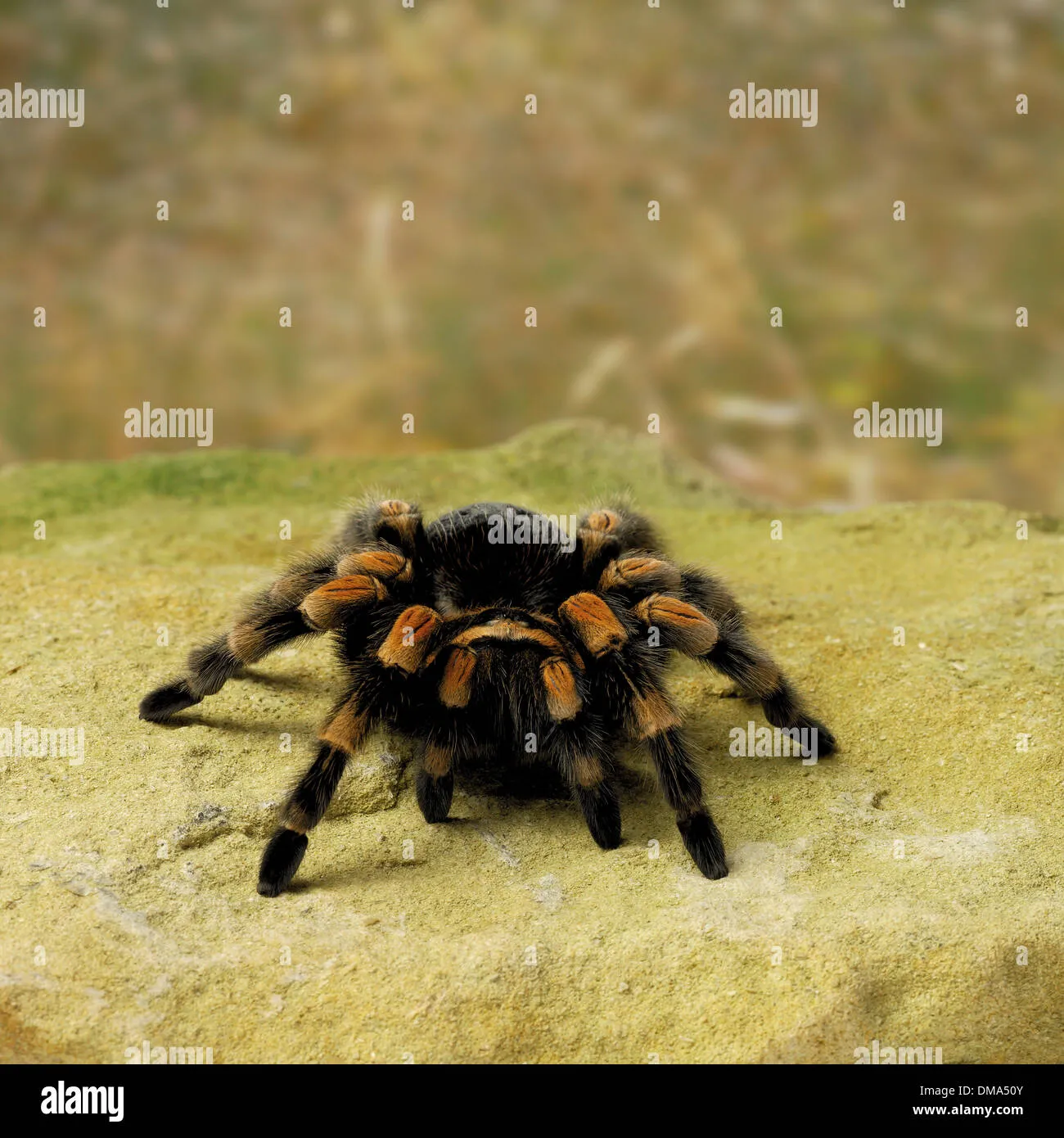
What is a Redridge Tarantula?
The Redridge tarantula, a captivating and increasingly popular pet, is a member of the Theraphosidae family. These fascinating creatures, known for their impressive size and relatively docile nature, have gained a significant following among both novice and experienced arachnid enthusiasts. The appeal of owning a Redridge tarantula lies in its unique appearance, manageable care requirements, and the intriguing opportunity to observe the behavior of a truly remarkable invertebrate. This guide is designed to provide essential information for those considering or already owning a Redridge tarantula, covering everything from basic facts to detailed care instructions, ensuring a healthy and fulfilling experience for both the pet and its owner. Understanding the characteristics and needs of this amazing species is the first step towards responsible pet ownership.
Appearance and Characteristics
Redridge tarantulas are instantly recognizable due to their striking appearance. They typically exhibit a combination of rich red and brown hues, often with contrasting patterns on their carapace and legs. The coloration can vary slightly depending on the individual tarantula and its specific lineage. Their bodies are covered in fine hairs, which serve sensory and defensive functions. The size of a Redridge tarantula can vary, with females generally being larger than males. Overall, their robust build and vibrant colors make them a visually appealing species, drawing attention from those fascinated by the diverse forms of life on Earth. Their appearance is a key factor in their popularity as pets, providing an engaging visual experience for owners.
Size and Lifespan

The size and lifespan of a Redridge tarantula are important considerations for prospective owners. Females are known to be larger than males, with a leg span that can reach up to 6-8 inches or more in mature specimens. The lifespan of a Redridge tarantula also depends on its sex. Females generally live significantly longer, often reaching 15-20 years or even longer in some cases. Males, on the other hand, typically have a shorter lifespan, often living only a few years after reaching maturity. This difference in lifespan highlights the importance of understanding the specific needs of each tarantula, as the commitment to care can vary greatly depending on the individual’s sex. Preparing for the long-term care of a female Redridge tarantula is a key aspect of responsible pet ownership.
Habitat and Origin
Redridge tarantulas are native to specific regions, and understanding their origin is crucial for providing appropriate care. These tarantulas typically originate from tropical or subtropical environments. Knowing their natural habitat helps in replicating the environmental conditions they thrive in captivity. In their natural habitat, Redridge tarantulas are typically found in burrows or under rocks, where they can escape from the harsh weather. This understanding is essential when creating a suitable enclosure to ensure the tarantula’s well-being and enable it to exhibit natural behaviors. Creating a comfortable and familiar environment is key to reducing stress and promoting a healthy life for the Redridge tarantula, making it crucial to replicate the elements of their natural habitat.
Where Do Redridge Tarantulas Live?
In their natural environments, Redridge tarantulas primarily reside in burrows they create in the ground or under rocks and fallen logs. These burrows provide shelter from predators, temperature extremes, and direct sunlight. They often select locations with good drainage and access to prey. The burrow acts as their primary home, where they spend most of their time. The environment they inhabit typically consists of dense vegetation and humid conditions. Replicating these habitat conditions is crucial in captivity. The tarantulas’ need for shelter and a suitable environment is a key factor in maintaining their health and well-being. Understanding the natural habitat of Redridge tarantulas is critical for providing proper care.
7 Facts About Redridge Tarantulas

Fact 1: Docile Nature
Redridge tarantulas are known for their relatively docile nature. Compared to some other tarantula species, they tend to be less defensive and less likely to bite unless provoked. However, it’s essential to remember that they are still wild animals and should be treated with respect. Handling should be done with extreme caution and only when necessary, as stress can lead to defensive behaviors. Understanding their temperament and handling them responsibly is crucial for ensuring the safety of both the owner and the tarantula. This docility makes them a good choice for beginner tarantula keepers, but responsible pet ownership is still essential.
Fact 2: Relatively Low Maintenance
One of the appealing aspects of owning a Redridge tarantula is their relatively low maintenance requirements. They don’t need daily interaction, and their primary needs include a suitable enclosure, proper temperature and humidity, and a regular feeding schedule. Their care doesn’t demand a lot of time, making them ideal pets for busy individuals. Compared to other pets, they are less demanding of attention and interaction, making them a convenient choice. However, despite their low maintenance, they require attention to ensure their living conditions are adequate and their needs are met. Regular maintenance involves ensuring their enclosure is clean and their environment is stable. This makes them an easier pet compared to some other exotic species.
Fact 3: Stunning Coloration

Redridge tarantulas are known for their visually striking appearance, making them a favorite among tarantula enthusiasts. The vibrant colors and patterns of these tarantulas are one of the most noticeable features. The combination of red and brown hues makes them stand out. The coloration often varies slightly among individuals, adding to their unique appeal. Their attractive appearance and the ability to observe these colors is part of the enjoyment of owning a Redridge tarantula, making them a visually rewarding pet. Their colors also change as they molt, giving a fresh new look. This makes them a fascinating species to observe and admire.
Fact 4: Diet and Feeding Habits
Redridge tarantulas are carnivores, and their diet primarily consists of insects. Crickets, mealworms, and roaches are common food items. The size of the prey should be appropriate for the tarantula’s size. Overfeeding can lead to health problems. Feeding frequency depends on the tarantula’s age and size. Newly hatched spiderlings require more frequent feeding, while adults can be fed less often. Providing a varied diet ensures that the tarantula receives all the necessary nutrients. Offering live prey stimulates their hunting instincts and provides them with enrichment. Monitoring the tarantula’s feeding habits is important for ensuring its health and well-being.
Fact 5: Handling Precautions
Handling Redridge tarantulas should be done with caution. While they are generally docile, they can bite if they feel threatened. Bites are not usually life-threatening but can be painful. Always wash your hands before and after handling. Avoid handling unless necessary, such as for enclosure cleaning or health checks. If handling is required, do so near a soft surface to prevent injury if the tarantula falls. Keep a close eye on the tarantula’s behavior during handling. Respect the tarantula’s space and avoid sudden movements. Prioritize the tarantula’s safety and well-being. Always handle with a sense of calm to reduce stress on the animal, minimizing the risk of defensive behavior.
Fact 6: Suitable Enclosure Requirements

Providing a suitable enclosure is essential for the well-being of a Redridge tarantula. The enclosure should be appropriately sized, considering the tarantula’s size and growth. A secure lid is vital to prevent escape. The enclosure should offer a comfortable substrate that allows the tarantula to burrow. Proper ventilation is necessary to prevent mold growth. The enclosure should be easy to clean and maintain. Include hides and decorations to enrich the tarantula’s environment. Maintaining the right temperature and humidity levels is essential. Regularly check the enclosure for any signs of distress or illness. An appropriate enclosure contributes significantly to the overall health and happiness of your pet Redridge tarantula, replicating their natural habitat.
Fact 7: Interesting Behaviors
Redridge tarantulas exhibit fascinating behaviors that can be observed by owners. They may burrow, create webs, or remain in hiding, which can be normal behaviors. The behaviors can change depending on their mood or environmental factors. The way they hunt and consume prey is captivating to watch. Molting is a significant event and offers insight into the tarantula’s growth. They exhibit interesting defensive postures when threatened. Observe their behavior to understand their needs and preferences. The behaviors vary with the tarantula’s stage of life and overall environment. A keen understanding of their behavior is key to providing appropriate care.
Caring for Your Redridge Tarantula
Setting Up the Enclosure

Setting up the enclosure is the first crucial step in caring for your Redridge tarantula. The enclosure should be appropriately sized, allowing for comfortable movement and growth. It should be escape-proof and have a secure lid to prevent your tarantula from escaping. The right substrate is essential, such as a mix of peat moss, coconut fiber, or vermiculite, to allow for burrowing. Provide hiding places like cork bark, artificial plants, or hollow logs. Ensure proper ventilation to maintain air quality and prevent mold growth. The enclosure should be placed in a location away from direct sunlight and drafts. Maintaining cleanliness is necessary for preventing the spread of diseases. Properly setting up the enclosure will contribute significantly to your tarantula’s health and happiness.
Substrate and Decor
Choosing the right substrate and decor is critical for creating a suitable environment for your Redridge tarantula. The substrate should be able to hold moisture and allow the tarantula to burrow. A combination of peat moss, coconut fiber, or vermiculite is often recommended. Avoid using sharp or abrasive materials. Decorate the enclosure with hides such as cork bark, artificial plants, or hollow logs. The decorations should not be able to trap the tarantula. Ensure there are no items that can fall and injure your pet. Provide a shallow water dish for hydration. Ensure the decorations match the tarantula’s natural habitat. These items contribute to creating a comfortable and stimulating environment. Properly chosen substrate and decor contribute greatly to the tarantula’s overall well-being.
Temperature and Humidity
Maintaining proper temperature and humidity levels is essential for the health of your Redridge tarantula. The ideal temperature range is typically between 75-85°F (24-29°C). Use a heat mat or a low-wattage heat lamp to maintain a stable temperature. The humidity level should be kept between 60-70%. Monitor the humidity levels using a hygrometer. Mist the enclosure with water as needed to maintain the right humidity. Proper ventilation is essential for preventing excessive humidity buildup. Avoid direct placement of heat sources to ensure the tarantula does not get burned. Keeping the temperature and humidity within the suitable range helps the tarantula’s overall health and aids in its molting process.
Feeding Your Tarantula

Feeding your Redridge tarantula correctly is crucial for its health. Offer prey items that are appropriate in size. Crickets, mealworms, and roaches are commonly used. The frequency of feeding depends on the age and size of the tarantula. Spiderlings need more frequent feeding. Adult tarantulas should be fed less often. Remove uneaten prey within 24 hours to prevent stress. Overfeeding can lead to health issues. It is better to feed the tarantula smaller portions more often than large portions less often. Fresh, clean water should always be available. Observe your tarantula’s feeding behavior. This helps you tailor their diet to their needs.
Choosing the Right Food
Selecting the right food for your Redridge tarantula is essential for its health and development. Crickets are a common and readily available food source. Mealworms are another option, but they can be more difficult to digest. Roaches provide a good source of nutrition. The size of the prey should be smaller than the tarantula’s body. Consider the nutritional value of the prey. Avoid feeding wild-caught insects, as they might carry parasites or pesticides. Make sure the food is clean and healthy before offering it to your tarantula. Variety in their diet can be beneficial to their well-being. Ensuring the food source is safe is essential for a healthy tarantula.
How Often to Feed
The frequency of feeding your Redridge tarantula varies based on its life stage and size. Spiderlings need to be fed more frequently, typically every 2-3 days. Juveniles can be fed once or twice a week. Adult tarantulas often need to be fed once or twice a week, or sometimes even less. Adjust the feeding frequency based on the tarantula’s eating habits and body condition. Avoid overfeeding, as it can lead to health issues. Remove uneaten prey after a short period. Monitor the tarantula’s abdomen size as an indicator of its nutritional state. Provide a consistent feeding schedule for their overall well-being. Their needs will shift as they mature.
Health and Common Issues

Shedding
Shedding, or molting, is a natural process for Redridge tarantulas as they grow. During molting, the tarantula sheds its exoskeleton to make way for a new one. The process can take several hours or even days. Before molting, the tarantula may become less active and may refuse food. Avoid disturbing the tarantula during molting. The new exoskeleton will be much softer right after molting. Give the tarantula time to harden its new exoskeleton. Provide a humid environment during the molting process. Molting is a sign of growth, so the process is necessary for their health and development. Improper molting can lead to health problems.
Parasites and Diseases
Redridge tarantulas, like all animals, can be susceptible to parasites and diseases. Common issues include mites, which can infest the tarantula’s body, and fungal infections, often caused by inadequate enclosure conditions. Always ensure the enclosure is clean and well-ventilated to prevent these issues. Regularly check your tarantula for any signs of illness, such as lethargy, loss of appetite, or unusual behavior. If you suspect your tarantula is ill, consult with a veterinarian or an experienced tarantula keeper. Maintaining proper hygiene and providing a suitable environment are key to preventing parasites and diseases. The health of your tarantula depends largely on the care you provide.
Conclusion
Owning a Redridge tarantula can be a rewarding experience. By understanding the necessary care requirements, providing a suitable habitat, and paying close attention to their health and well-being, you can enjoy the unique experience of having this exotic pet. This guide has provided essential information on their appearance, care, and common health concerns. Responsible tarantula ownership involves ongoing learning and a commitment to providing the best possible environment for your pet. With proper care and attention, your Redridge tarantula can thrive, offering you years of fascinating observation and enjoyment. Embrace the journey and continue to learn about these amazing creatures. With careful planning and care, you will be able to provide an excellent home for your Redridge tarantula pet.