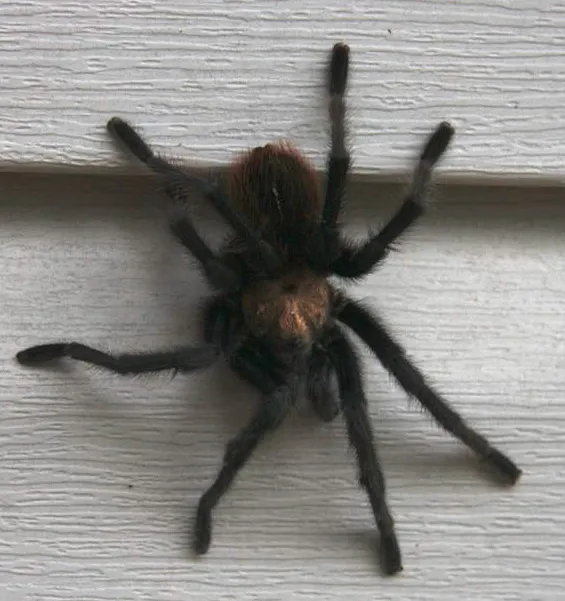
What Makes a Restless Tarantula?
Restless tarantulas, a common concern among pet owners, exhibit behaviors that deviate from their typically sedentary nature. Understanding the factors contributing to this restlessness is crucial for ensuring the well-being of these fascinating arachnids. Tarantulas are known for their relatively calm demeanor, spending a significant portion of their time in burrows or hidden spots. However, when they start pacing, exhibiting erratic movements, or showing signs of stress, it’s essential to investigate the underlying causes. This article explores the top 5 fascinating facts about restless tarantulas, delving into the reasons behind their behavior and how to address it, ensuring your pet tarantula thrives in a comfortable and stimulating environment.
Factors Influencing Restlessness
Several environmental and physiological factors can contribute to a tarantula’s restlessness. Addressing these factors is key to resolving the issue and ensuring your pet’s comfort. Understanding the specifics allows you to tailor your tarantula’s habitat to meet its needs. Common triggers include improper temperature and humidity levels, an inadequate enclosure size, and an inappropriate diet. Changes in the tarantula’s molting cycle, as well as the presence of external stressors, can also play a role. By carefully assessing these elements, you can make adjustments to your tarantula’s environment to create a more suitable habitat.
Temperature and Humidity

Temperature and humidity are critical environmental factors directly impacting a tarantula’s well-being. Tarantulas thrive within specific temperature and humidity ranges, which vary depending on the species. Maintaining these conditions is vital for their health and behavior. If the temperature is too cold or too hot, the tarantula may become lethargic or restless, trying to find a more comfortable spot. Similarly, low humidity can lead to dehydration, which can cause them stress, while excessive humidity can foster mold and bacterial growth. Regular monitoring with a thermometer and hygrometer is crucial, along with adjusting the heating and ventilation systems as needed to ensure optimal conditions. This creates a stable and comfortable environment.
Enclosure Size and Design
The size and design of the enclosure significantly affect a tarantula’s behavior and overall comfort. Tarantulas need an enclosure that is large enough to accommodate their size and allows them to exhibit natural behaviors. An enclosure that’s too small can cause stress and restrict movement, leading to restlessness. The design of the enclosure should also mimic the tarantula’s natural habitat. Providing appropriate substrate for burrowing species or ample climbing space for arboreal species is also critical. Adequate ventilation is also important to prevent the buildup of excessive humidity or harmful gases, all of which can affect the tarantula’s behavior and contribute to restlessness. The presence of hiding spots is also beneficial.
Dietary Needs and Feeding Schedule
A balanced diet and a consistent feeding schedule are essential for a tarantula’s physical and psychological health. Restlessness can sometimes stem from dietary issues, either from not eating enough or an unsuitable diet. The tarantula’s diet should consist mainly of insects, and the size of the prey should be appropriate for the size of the tarantula. Overfeeding can also be a problem, potentially causing the tarantula to become overweight and lethargic. A regular feeding schedule helps to satisfy the tarantula’s nutritional needs and establish a predictable routine. Adjust the feeding frequency based on the tarantula’s age, species, and molting cycle. This ensures the tarantula is getting proper nutrition and preventing stress that may lead to restlessness.
Signs of a Restless Tarantula

Recognizing the signs of a restless tarantula is the first step in addressing the issue. Observing your tarantula’s behavior regularly allows you to identify any changes or deviations from its normal routine. Understanding these signs provides a proactive approach to their care. Identifying the specific behaviors that indicate restlessness allows you to investigate the underlying causes and take corrective measures. Common signs include pacing, changes in appetite, and aggressive behavior. These signs, if addressed promptly, contribute significantly to maintaining your tarantula’s overall health and well-being.
Pacing and Erratic Movement
One of the most noticeable signs of a restless tarantula is repetitive pacing or erratic movements within the enclosure. This behavior often involves the tarantula walking back and forth along the walls of its enclosure. It may also include erratic changes in direction and a general lack of a consistent resting spot. This behavior is a clear indicator that the tarantula is stressed or uncomfortable. Pacing can indicate that the tarantula is trying to escape its environment, searching for food, or is simply bored or stressed due to poor environmental conditions. When these behaviors are observed, a careful assessment of its environment is crucial. By addressing issues such as enclosure size, temperature, and humidity, you can create a more comfortable habitat for the tarantula, reducing its restlessness.
Refusal to Eat
Changes in appetite are also a significant indicator of restlessness. A tarantula that suddenly stops eating or shows a decreased interest in food may be experiencing stress. It’s crucial to distinguish this from the natural fasting periods that tarantulas experience during molting. A tarantula may refuse food for several weeks before molting. However, consistent refusal to eat outside of the molting cycle, accompanied by other signs of restlessness, warrants attention. When a tarantula stops eating, check the temperature, humidity, and the overall environment to make sure it is ideal. Additionally, you can assess the type of food you offer, as sometimes a change in prey type can stimulate their appetite and reduce stress.
Aggressive Behavior

Increased aggression is another sign of a restless tarantula. While tarantulas are generally not aggressive, stress can lead them to display defensive behaviors. This behavior may include raising their front legs in a threat posture, flicking urticating hairs (if applicable), or even attempting to bite. Sudden changes in aggression can indicate that the tarantula feels threatened or is uncomfortable in its current environment. Careful observation and environmental adjustments can help address the causes of this aggression. Ensure the enclosure is secure, with no external disturbances, and that all environmental parameters are within the correct range. Making the tarantula feel safer and less threatened can reduce its aggressive tendencies and improve its overall well-being.
Caring for a Restless Tarantula
Addressing restlessness in tarantulas requires a multifaceted approach. This involves a careful evaluation of the tarantula’s environment and behavior, followed by strategic adjustments to create a more comfortable and stimulating habitat. The goal is to create conditions that meet the tarantula’s needs and reduce stress. This involves several strategies, from providing enrichment opportunities to establishing a suitable environment. By implementing these measures, you can help calm your restless tarantula and enhance its quality of life.
Providing Enrichment
Enrichment activities are essential for keeping tarantulas mentally stimulated and can help reduce restlessness. Enrichment involves providing items and features within the enclosure that encourage natural behaviors, such as foraging, burrowing, or exploring. For burrowing species, adding substrate is crucial, allowing them to create burrows and feel safe. For arboreal species, adding climbing structures and branches creates opportunities for exploration and exercise. Varying the substrate, hiding places, and other aspects of the enclosure can encourage engagement and reduce boredom. Occasional changes to the enclosure layout can help keep the tarantula stimulated and prevent repetitive behaviors that might indicate stress or boredom. Providing enrichment is a critical aspect.
Creating a Comfortable Environment

Creating a comfortable environment is a primary factor in addressing restlessness. Maintaining optimal temperature and humidity levels is fundamental. Regular monitoring and adjustments, such as using a thermostat and humidifier, ensure a stable environment. Adequate ventilation and airflow are also important to prevent issues like mold growth. The enclosure should be the correct size for the tarantula and should include ample hiding places and a suitable substrate. The tarantula’s enclosure should be placed in a quiet area, away from excessive light or noise. By focusing on these elements, you can significantly improve the quality of life and reduce the stress.
When to Seek Veterinary Advice
While most cases of restlessness can be addressed through environmental adjustments, there are instances where professional veterinary advice is necessary. If you observe severe or persistent symptoms, such as significant weight loss, loss of appetite, or any other signs of illness, consulting a veterinarian specializing in exotic animals is crucial. A vet can perform a thorough examination to rule out any underlying health issues. They can provide medical advice or treatment if the restlessness is related to an underlying medical condition. Seeking timely veterinary intervention ensures that your tarantula receives the appropriate care.
In conclusion, understanding the factors that contribute to restlessness in tarantulas is critical for their well-being. By recognizing the signs of stress, providing appropriate environmental conditions, and implementing enrichment strategies, you can create a thriving habitat. Addressing restlessness is a proactive step in ensuring a long and healthy life for your tarantula. Always be vigilant in monitoring your tarantula’s behavior, and do not hesitate to consult with a veterinarian specializing in exotic pets if you have any concerns.