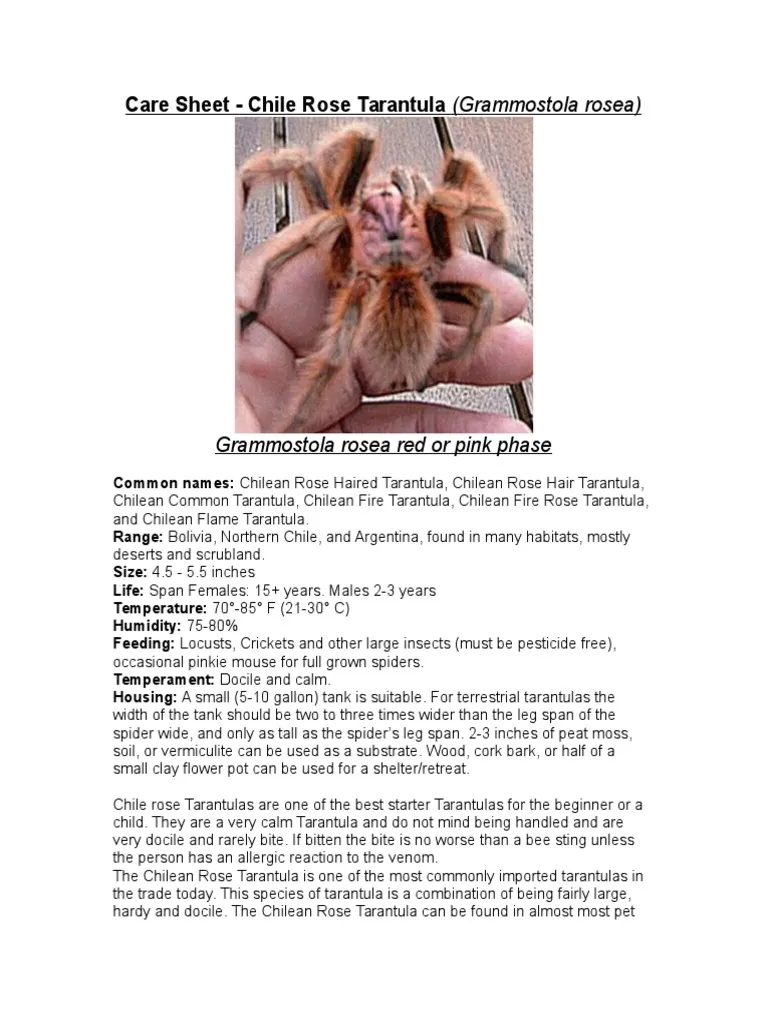
Rio Grande Gold Tarantula Overview
The Rio Grande Gold Tarantula (Aphonopelma marxi) is a captivating species that has gained popularity among tarantula enthusiasts. Native to the southwestern United States, these spiders are known for their striking appearance and relatively docile temperament, making them a rewarding pet for those willing to provide proper care. This guide provides a comprehensive care sheet, offering insights into their natural habitat, enclosure setup, feeding, handling, and health. Whether you’re a seasoned arachnid keeper or a beginner, this guide will equip you with the knowledge to ensure your Rio Grande Gold Tarantula thrives.
Understanding the Rio Grande Gold Tarantula
Understanding the Rio Grande Gold Tarantula is the first step in providing the best care possible. This involves familiarizing yourself with its natural history, behavior, and needs. These tarantulas are terrestrial spiders, primarily active during the night, and they are ambush predators. Knowing these basic facts is crucial for replicating their natural environment and providing appropriate enrichment.
Appearance and Characteristics

The Rio Grande Gold Tarantula gets its name from the golden hues that often adorn its carapace and legs, although color variations can occur. They are a robust species with a moderately large size; females can reach a leg span of up to 6 inches, while males are generally smaller. They possess urticating hairs on their abdomen, which they can flick as a defense mechanism, causing irritation upon contact. They have eight eyes and eight legs, and their bodies are divided into two main parts the cephalothorax and the abdomen.
Habitat and Natural Environment
In the wild, Rio Grande Gold Tarantulas are found in arid and semi-arid regions of the southwestern United States. They typically inhabit burrows in the ground, often under rocks or in crevices. They are well-adapted to survive in hot, dry conditions, and the temperature and humidity requirements must be mimicked in captivity. Their habitat provides protection from predators and the elements, as well as a stable temperature gradient that they can use to regulate their body temperature.
Setting Up Your Rio Grande Gold Tarantula Enclosure
Creating a suitable enclosure is paramount to your Rio Grande Gold Tarantula’s well-being. The enclosure should provide a safe and comfortable environment that replicates their natural habitat. The size, substrate, decor, and climate controls all play vital roles in the overall health of your pet tarantula. By carefully selecting these elements, you can ensure that your tarantula thrives in captivity.
Choosing the Right Enclosure

For adult Rio Grande Gold Tarantulas, a terrarium or enclosure that is at least 10 gallons in size is recommended, although larger is always better. The enclosure should be well-ventilated, but secure, with a tight-fitting lid to prevent escapes. Glass or acrylic enclosures are suitable options, but ensure there are no sharp edges or features that could injure the tarantula. It’s important to consider the species’ terrestrial nature when choosing the enclosure, as more floor space is usually better than height.
Substrate Selection
The substrate is a vital part of the enclosure, providing a comfortable surface for the tarantula to walk on and burrow in, as well as helping to maintain humidity. A mix of substrate types often works best. Recommended options include a blend of peat moss, coconut fiber, and a small amount of vermiculite. The substrate should be deep enough (at least 4-6 inches) to allow for burrowing. The substrate should be kept slightly moist, but not soggy, to maintain the right humidity levels, and it should be spot-cleaned regularly to remove waste and uneaten food.
Decorating the Enclosure
Provide a few basic decorations to enhance the enclosure and offer hiding places. Cork bark, artificial plants, and sturdy rocks can all serve as shelters. Ensure that any decorations are securely placed to prevent them from falling and injuring the tarantula. A water dish is essential, and it should be shallow enough to prevent the tarantula from drowning. The overall goal is to create a naturalistic environment that meets the tarantula’s needs and allows it to exhibit natural behaviors. Avoid using anything that could be toxic or harmful to the tarantula.
Maintaining Temperature and Humidity

Rio Grande Gold Tarantulas thrive in temperatures between 75-85°F (24-29°C). A heat mat placed on the side of the enclosure can help maintain the appropriate temperature gradient. Humidity levels should be kept around 60-70%, which can be achieved by lightly misting the substrate once or twice a week, depending on the ventilation. A hygrometer and thermometer are valuable tools to monitor these conditions and make necessary adjustments. Proper temperature and humidity are crucial for molting and overall health.
Feeding Your Rio Grande Gold Tarantula
Feeding is a key aspect of caring for your Rio Grande Gold Tarantula. The diet, frequency, and hydration all have a direct impact on the spider’s health. Understanding their dietary needs will help you to provide them with a balanced, nutritious diet.
What to Feed
Rio Grande Gold Tarantulas are insectivores. Their diet should primarily consist of live insects that are appropriately sized for the tarantula. Crickets, mealworms, and roaches are common and suitable options. It’s essential to vary the diet to ensure they are getting a range of nutrients. Always ensure the insects are gut-loaded (fed nutritious food for 24 hours before being fed to the tarantula) to provide the tarantula with the most nutritional value. Avoid feeding insects that have been exposed to pesticides or other harmful chemicals.
Feeding Frequency

The feeding frequency depends on the tarantula’s age and size. Spiderlings should be fed 2-3 times a week, while juveniles and adults can be fed once a week or every other week. Adjust the feeding schedule based on the tarantula’s appetite and body condition. A tarantula that is growing will eat more frequently. Do not overfeed, as it can stress the tarantula. Remove uneaten prey after 24 hours to prevent the insects from bothering the tarantula or the growth of mold.
Watering and Hydration
Clean, fresh water is essential. Provide a shallow water dish filled with fresh water at all times. The water should be easily accessible, and the dish should be cleaned regularly. In addition to a water dish, the substrate should be misted lightly to maintain the proper humidity levels. Hydration is particularly important during the molting process. Ensure that water is always available to your Rio Grande Gold Tarantula.
Handling and Safety Precautions
While Rio Grande Gold Tarantulas are generally docile, it’s important to handle them with care and respect. Handling should be minimized to avoid unnecessary stress, and certain precautions should always be taken to ensure the safety of both the spider and the handler.
Handling Guidelines

Handling should be done only when necessary. Always approach the tarantula calmly and gently. Before handling, wash your hands thoroughly to remove any scents that could agitate the spider. Use a soft paintbrush to gently coax the tarantula onto your hand if handling is required. Avoid sudden movements and keep the spider close to the ground in case it falls. Handle over a soft surface or a container to minimize the risk of injury if the tarantula falls.
Recognizing Signs of Stress
Pay attention to your tarantula’s behavior, as it can indicate stress. Signs of stress include flicking urticating hairs, defensive postures, or refusal to eat. If you notice any of these signs, leave the tarantula alone and allow it to calm down. Stress can sometimes lead to health problems. Avoiding handling whenever possible and providing a secure enclosure will minimize the risk of stress.
Common Health Issues and Care
Like any pet, Rio Grande Gold Tarantulas can be susceptible to certain health issues. Understanding these issues and their treatments is critical for proper care.
Moulting Process

Moulting is a natural process where the tarantula sheds its exoskeleton to grow. Before moulting, the tarantula may become less active, refuse to eat, and may even flip onto its back. It’s crucial to provide a stable environment during this time and avoid disturbing the spider. After moulting, the tarantula will be vulnerable, and it may take a few days for its new exoskeleton to harden. Do not feed the tarantula until its fangs have hardened, and ensure that you maintain appropriate humidity during this process.
Identifying and Addressing Common Problems
Watch for signs of illness such as lethargy, loss of appetite, or unusual behavior. Check for mites or other parasites. If you suspect a health problem, consult with a veterinarian who specializes in exotic animals or a knowledgeable breeder. Maintaining the right temperature and humidity, providing a balanced diet, and keeping the enclosure clean will help prevent many health issues. The most common problems include dehydration or parasitic infections.
Conclusion
Caring for a Rio Grande Gold Tarantula can be a rewarding experience. These fascinating creatures require specific care, but with the proper knowledge and dedication, you can provide a healthy and enriching environment for your pet. By following the guidelines in this care sheet, you can ensure that your Rio Grande Gold Tarantula thrives for many years to come. Remember to always prioritize the well-being of your tarantula and to continue to learn and adapt your care routine as needed. Enjoy the unique experience of owning and observing these amazing arachnids.