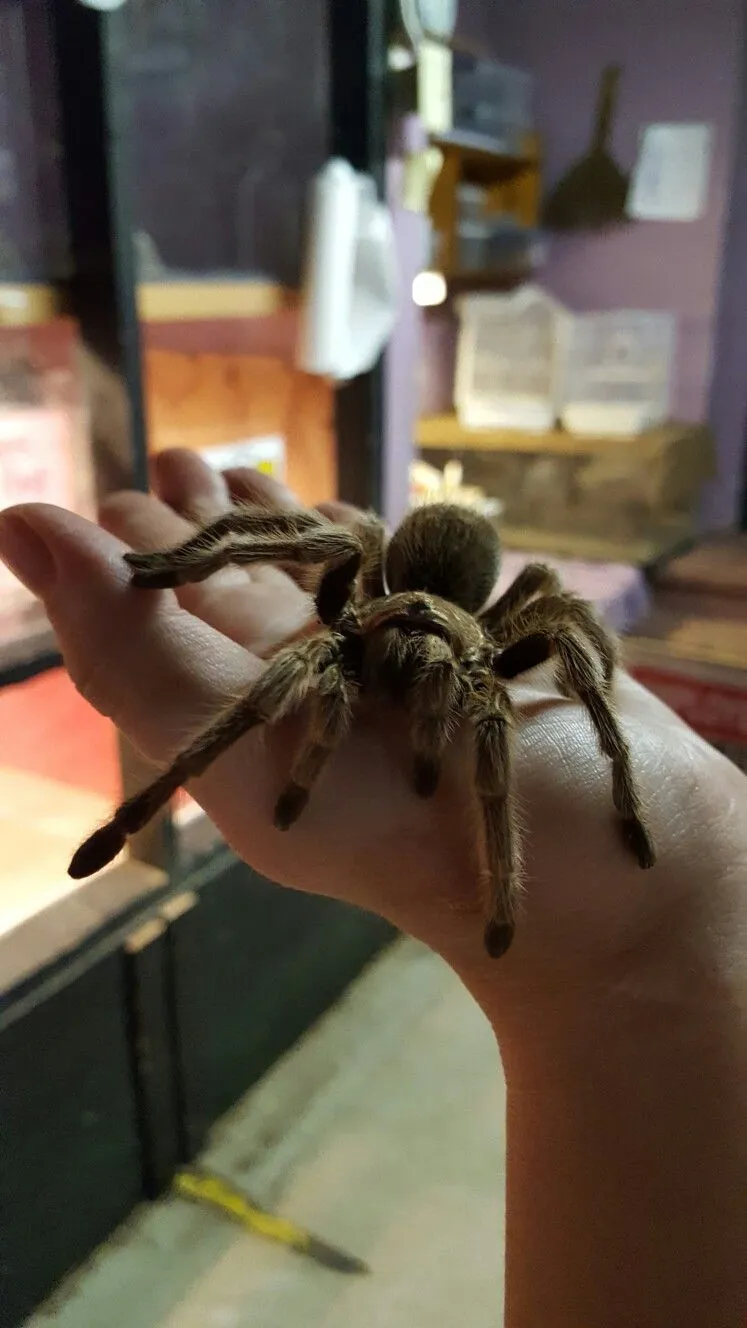
Understanding Rose Hair Tarantulas
The Rose Hair Tarantula (Grammostola rosea), also known as the Chilean Rose Hair Tarantula, is a popular pet among arachnid enthusiasts. Their relatively docile temperament, beautiful appearance, and ease of care make them an excellent choice for beginner tarantula keepers. These spiders are native to the arid regions of Chile, Bolivia, and Argentina. Understanding their natural habitat is crucial for providing proper care in a captive environment. Learning about their biology and needs will help you provide a happy and healthy life for your Rose Hair Tarantula. This guide will provide all the essential tips for anyone considering the rewarding experience of keeping these fascinating creatures.
Basic Rose Hair Tarantula Biology
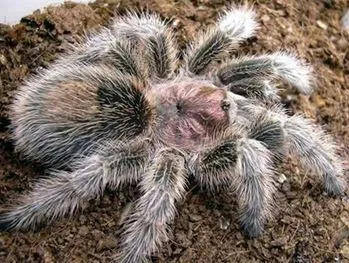
Rose Hair Tarantulas are a type of New World tarantula, known for their urticating hairs, which they can flick off their abdomen as a defense mechanism. They have eight legs, two pedipalps (used for sensing and manipulating food), and two chelicerae (fangs). They possess a cephalothorax (fused head and thorax) and an abdomen. Their bodies are covered in hairs of varying colors, with the namesake rose-pink hue often appearing on the carapace and legs. They are generally docile, but like all tarantulas, they can bite if provoked. Rose Hair Tarantulas are terrestrial, meaning they live primarily on the ground, and are typically nocturnal hunters, active during the evening and night.
Lifespan and Characteristics

One of the appealing aspects of Rose Hair Tarantulas is their longevity. Females can live for up to 20 years or even longer in captivity, while males typically have a shorter lifespan, around 5-10 years. They grow slowly, molting periodically to shed their exoskeletons and grow larger. Their size can vary, with females usually reaching a leg span of 5-6 inches. They are relatively low-maintenance pets, which makes them suitable for beginners. Proper care includes maintaining the correct temperature, humidity, and feeding regime. These factors play a crucial role in the tarantula’s overall health and longevity. Regular observation and basic care go a long way in ensuring your tarantula thrives.
Choosing Your Rose Hair Tarantula
Selecting a healthy Rose Hair Tarantula is the first step in ensuring its well-being. Observing the tarantula’s behavior and physical condition is crucial before making a purchase. Look for a tarantula that is active, alert, and responsive to its environment. Avoid tarantulas that appear lethargic, have missing limbs, or show signs of illness. A healthy tarantula will have a plump abdomen, indicating it is well-fed and hydrated. Purchasing a tarantula from a reputable breeder or pet store minimizes the risk of acquiring a sick or unhealthy spider. Also, learn about the tarantula’s molting cycle, as a freshly molted tarantula will appear brighter in color.
Selecting a Healthy Tarantula
When selecting a Rose Hair Tarantula, examine the spider carefully. Look for a plump abdomen, which indicates good health and hydration. The tarantula should be alert and responsive to its surroundings, not sluggish or unresponsive. Check for any missing limbs or signs of injury. A healthy tarantula will have clean, well-defined features. Avoid tarantulas that have a shrunken or wrinkled abdomen, as this could indicate dehydration. Observe the tarantula’s overall behavior, such as its stance and movements. Any signs of illness or stress should be a red flag.
Where to Buy a Rose Hair Tarantula
The best place to buy a Rose Hair Tarantula is from a reputable breeder or a specialized pet store that focuses on exotic pets. These sources usually have experienced staff who can provide valuable advice and ensure the tarantula is healthy. Avoid purchasing from pet stores that do not specialize in arachnids, as the quality of care may be lacking. Online marketplaces can also be an option, but it’s essential to research the seller thoroughly and read reviews. Always inquire about the tarantula’s origin and feeding history. Ensure the seller provides guarantees of health and a safe shipping process if you are buying online. Also, check your local laws regarding keeping exotic pets.
Housing Your Rose Hair Tarantula
Providing the right housing is essential for the health and well-being of your Rose Hair Tarantula. The enclosure should mimic their natural environment to provide a comfortable and safe habitat. The size of the terrarium, the type of substrate, and the control of temperature and humidity all play crucial roles in keeping your tarantula happy and healthy. The goal is to create an environment that allows the tarantula to thrive, providing it with a place to explore, hunt, and hide. Correct housing reduces stress and promotes natural behaviors. It’s the foundation of responsible tarantula care, so prioritize this step before anything else.
The Right Terrarium Size
The size of the terrarium depends on the size of the tarantula. A juvenile Rose Hair Tarantula can thrive in a 5-gallon tank, while an adult will need a 10-gallon tank or larger. The enclosure should be wider than it is tall, as Rose Hair Tarantulas are terrestrial and spend most of their time on the ground. The tank should have a secure lid to prevent the tarantula from escaping. Ventilation is also important, so the lid should have small holes or mesh to allow airflow. A larger enclosure provides more space for your tarantula to move around and creates a less stressful environment. Choose an enclosure that will accommodate the tarantula’s eventual size.
Substrate and Decor

The substrate is the material that lines the bottom of the terrarium and serves as the tarantula’s bedding. Suitable substrates include coconut fiber, peat moss, or a mix of both. The substrate should be at least 2-4 inches deep to allow the tarantula to burrow. Avoid using sand or gravel, as these can be difficult for the tarantula to navigate and may cause injury. Decorate the terrarium with hides such as cork bark, artificial plants, or a half-log to provide the tarantula with places to retreat and feel secure. These decorations can make the habitat more visually appealing and provide enrichment for the tarantula. Always ensure all decorations are non-toxic and safe for the spider.
Temperature and Humidity
Rose Hair Tarantulas thrive in temperatures between 75-85°F (24-29°C). Use a thermometer to monitor the temperature inside the enclosure. Avoid placing the enclosure in direct sunlight, which can overheat the habitat. The humidity level should be between 60-70%. You can measure humidity with a hygrometer. Maintain the correct humidity levels by misting the enclosure with water every few days or providing a water dish. Proper temperature and humidity levels are critical for the tarantula’s health, aiding in molting, and ensuring proper hydration. Regular monitoring and adjustment of these conditions are essential for their well-being.
Feeding Your Rose Hair Tarantula
Feeding your Rose Hair Tarantula is a simple process. They are opportunistic feeders and will eat a variety of insects. Proper feeding ensures the tarantula receives the necessary nutrients to maintain health. The type of food, the frequency of feeding, and the amount provided all need careful consideration. Providing a balanced diet helps your tarantula thrive. Avoid overfeeding, and always remove uneaten food to prevent the build-up of mold and mites. Observing your tarantula’s feeding habits will help you fine-tune its diet.
What to Feed Your Tarantula
The staple diet for a Rose Hair Tarantula typically consists of insects, such as crickets, mealworms, and roaches. These insects are readily available at pet stores and are easy to feed. You can also occasionally offer other insects like waxworms or hornworms as treats. Ensure the insects are gut-loaded before feeding them to your tarantula, meaning they are fed nutritious food to provide more benefits. Avoid feeding wild-caught insects, as they may carry parasites or pesticides. Always offer food that is no larger than the tarantula’s body size. The insect should be live, so the tarantula can engage its hunting instincts.
Feeding Frequency and Amounts
The feeding frequency for a Rose Hair Tarantula depends on its age. Spiderlings should be fed 2-3 times a week. Juveniles can be fed once or twice a week. Adults typically only need to be fed once every 1-2 weeks. Adjust the feeding schedule based on the tarantula’s appetite and body condition. A plump abdomen indicates that it is well-fed, whereas a thin abdomen suggests that it might need to eat more often. Remove uneaten food within 24 hours to prevent the build-up of mold or mites. Always have fresh water available for the tarantula.
Watering and Hydration
Providing a clean water source is essential for the health and well-being of your Rose Hair Tarantula. Tarantulas need water to stay hydrated, especially in a captive environment. There are several methods to provide water, and it is important to maintain cleanliness to prevent health issues. Monitoring the water source and ensuring its availability is a critical aspect of responsible tarantula care. Dehydration can lead to serious health problems, including difficulties with molting and reduced lifespan. Proper hydration will maintain the vitality of your tarantula.
Providing Clean Water

The easiest way to provide water is by placing a shallow water dish in the enclosure. Ensure the water dish is shallow enough to prevent the tarantula from drowning. You can use a bottle cap, a small dish, or purchase a tarantula water dish from a pet store. Change the water in the dish every 1-2 days to prevent the growth of bacteria and mold. You can also provide water by misting the enclosure with a spray bottle, which allows the tarantula to drink water droplets. Always use dechlorinated water to avoid introducing harmful chemicals.
Misting and Humidity Control
Misting the enclosure is another way to provide water and maintain the correct humidity levels. Mist the enclosure with dechlorinated water 2-3 times a week, depending on the humidity level of the environment. Monitor the humidity levels with a hygrometer. The goal is to keep the humidity between 60-70%. Avoid over-misting, as this can lead to mold and fungal growth. The substrate should be slightly moist but not soggy. Adjust the misting schedule based on the temperature and humidity of your home environment. Provide adequate ventilation to prevent the enclosure from becoming too humid. Use proper ventilation in the enclosure to help maintain the right humidity levels.
Handling and Safety
While Rose Hair Tarantulas are known for their docile temperament, it is crucial to handle them with care and caution. Tarantulas can bite if they feel threatened, and their bites can be painful, although not usually medically significant. It is best to minimize handling to reduce stress on the tarantula. If you choose to handle your tarantula, follow safety guidelines to protect both yourself and the spider. Learning safe handling practices will help you avoid potentially stressful and dangerous situations for both you and your pet. Remember, these are delicate creatures that require respect and cautious interactions.
Safe Handling Practices

If you decide to handle your Rose Hair Tarantula, do so with care and patience. Always wash your hands before and after handling the tarantula. Approach the tarantula slowly and gently. Never make sudden movements, as this can startle the spider and cause it to bite or run. Handle the tarantula over a soft surface, such as a bed or a rug, in case it falls. Avoid holding the tarantula high above the ground. Let the tarantula walk onto your hand, rather than picking it up. Avoid touching its urticating hairs to prevent irritation.
Avoiding Bites
Tarantulas may bite when they feel threatened or provoked. Avoid handling your tarantula immediately after it has eaten, as it may be more defensive. If the tarantula raises its front legs and displays its fangs, it is a sign that it feels threatened. Gently put the tarantula back into its enclosure without further provocation. If bitten, the bite may cause mild pain, similar to a bee sting. Clean the bite with soap and water and apply a cold compress to reduce any swelling. Monitor the bite for any signs of infection and seek medical attention if necessary. Avoid any forceful interaction.
Common Rose Hair Tarantula Problems
Like all pets, Rose Hair Tarantulas can experience health issues. Recognizing common problems and knowing how to address them is essential for responsible tarantula care. The two primary concerns you’ll face are molting and parasites. These challenges require the keeper’s attention to ensure the health and well-being of the tarantula. Understanding the tarantula’s life cycle and watching for signs of parasites or health concerns allows you to provide the best possible care for your pet. It’s important to be prepared for various eventualities.
Moulting and What to Expect
Moulting is a natural process where the tarantula sheds its exoskeleton to grow. During this process, the tarantula will usually stop eating and may appear sluggish. The tarantula will often lie on its back during the moult. This process can take several hours or even days. Do not disturb the tarantula during moulting. After moulting, the tarantula’s new exoskeleton will be soft. Do not feed the tarantula for about a week after it has moulted, to allow its new exoskeleton to harden. Providing proper humidity levels is essential during this time. Dispose of the old exoskeleton carefully.
Parasites and Diseases
Rose Hair Tarantulas are relatively resistant to diseases, but they can be susceptible to parasites, such as mites. Mites can be identified by small, moving dots on the tarantula or in its enclosure. If you find mites, remove the substrate and clean the enclosure thoroughly. Replace the substrate with fresh material and monitor the tarantula for signs of recurrence. Prevention is critical in the fight against parasites. Providing clean food and a clean environment helps to reduce the risk of parasites. Consult a veterinarian or an experienced tarantula keeper if you have any concerns about your tarantula’s health. Ensure a healthy environment to maintain the spider’s well-being.
Conclusion: Caring for Your Rose Hair Tarantula
Keeping a Rose Hair Tarantula can be a rewarding experience. By understanding their needs and providing the right care, you can ensure that your tarantula lives a long and healthy life. Following these tips will help you create a thriving habitat for your spider. From selecting a healthy tarantula to providing proper housing, feeding, and handling, each step plays a crucial role in responsible pet ownership. Enjoy the unique journey of observing this fascinating creature, and be sure to constantly educate yourself on the best practices for Rose Hair Tarantula care.