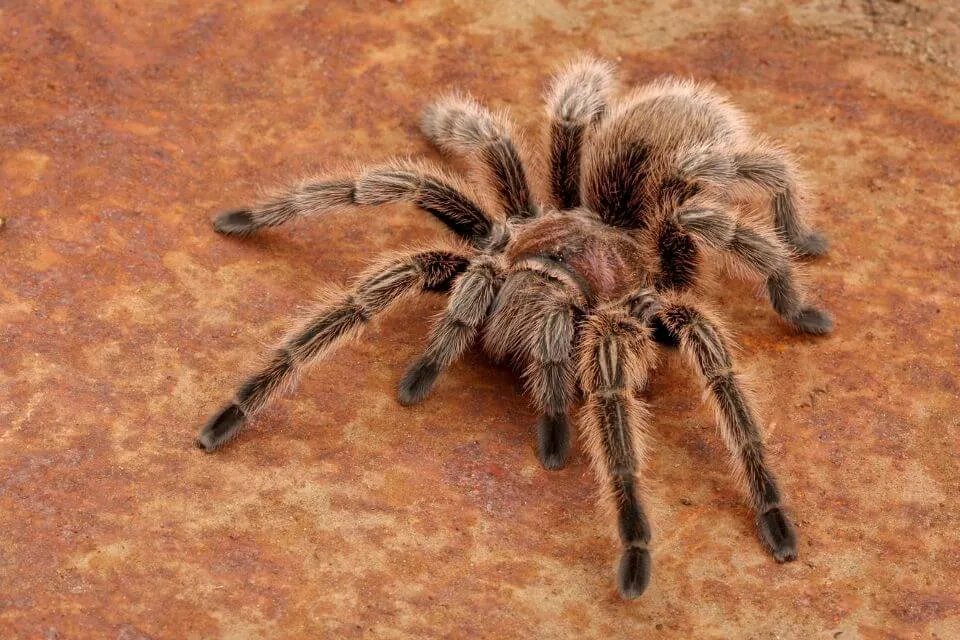
Choosing Your Rose Hair Tarantula
Bringing a rose hair tarantula into your home can be a rewarding experience, offering a unique pet that is relatively low-maintenance compared to many other animals. However, responsible ownership starts with selecting a healthy tarantula from a reputable source. Before acquiring a rose hair tarantula, research different breeders or pet stores, and check online reviews to ensure they prioritize the well-being of their animals. Inspect the tarantula carefully for any signs of illness, such as lethargy, lack of appetite, or unusual physical conditions. A healthy rose hair tarantula should have a plump abdomen, move with agility, and show interest in its surroundings. Asking questions about the tarantula’s origin, age, and feeding history can also help you make an informed decision. A well-cared-for rose hair tarantula can live for many years, providing companionship and a fascinating glimpse into the world of arachnids.
Healthy Rose Hair Tarantula Habitat
Creating a proper habitat is crucial for the health and happiness of your rose hair tarantula. The enclosure should mimic its natural environment as closely as possible, providing the necessary conditions for survival and well-being. A well-designed habitat not only promotes the tarantula’s physical health but also allows you to observe its fascinating behaviors. The correct enclosure size, appropriate substrate, and controlled temperature and humidity levels are essential components of a healthy environment. Furthermore, the addition of hiding places and enrichment items, like sturdy branches, helps the tarantula feel secure and reduces stress. Proper ventilation is also important to prevent the buildup of harmful mold or bacteria. Regularly monitoring and maintaining the habitat ensures a comfortable and safe living space for your rose hair tarantula.
Enclosure Size and Setup
The size and setup of the enclosure is one of the most critical aspects of tarantula care. For a rose hair tarantula, a terrarium that is at least 10 gallons in size is often recommended, though larger is always better. The enclosure should be wider than it is tall, as rose hair tarantulas are terrestrial species, which means they live on the ground. The enclosure should have a secure lid to prevent escapes, as tarantulas can be surprisingly agile. When setting up the enclosure, consider the natural environment of the rose hair tarantula. Provide a substrate layer that allows the tarantula to burrow if it chooses, and incorporate hiding places such as cork bark or artificial caves. The setup should include a shallow water dish and appropriate ventilation to maintain healthy humidity levels and prevent the buildup of harmful conditions.
Substrate Selection
The substrate, or bedding material, in your tarantula’s enclosure serves multiple purposes. It provides a surface for the tarantula to walk on, offers a place to burrow, and helps to regulate humidity. For rose hair tarantulas, a substrate that holds moisture well is ideal, but it should not be so damp that it causes mold. A mix of substrate materials is recommended for optimal results. A good starting point is a blend of coconut fiber, peat moss, and a small amount of vermiculite. This combination provides excellent moisture retention, allows for burrowing, and is generally safe for tarantulas. Avoid substrates like cedar or pine shavings, as they can be toxic to tarantulas. The depth of the substrate should be deep enough to allow for burrowing, typically several inches, and it should be replaced periodically to maintain cleanliness and prevent the growth of harmful bacteria or fungi.
Temperature and Humidity
Rose hair tarantulas thrive in specific temperature and humidity ranges. The ideal temperature for a rose hair tarantula is between 75-85°F (24-29°C). While they can tolerate cooler temperatures, maintaining a consistent temperature within this range is important for their health and metabolism. A heat source, such as a low-wattage heat lamp or a heat mat placed on the side of the enclosure, can be used to maintain the necessary temperature, especially in cooler environments. The humidity level should be kept between 60-70%. This can be achieved by misting the enclosure with a spray bottle a few times a week, but avoid over-misting, which can lead to mold growth. A hygrometer can be used to accurately measure the humidity levels inside the enclosure, ensuring they remain within the ideal range. Monitoring and maintaining temperature and humidity are crucial for a healthy and happy rose hair tarantula.
Watering and Ventilation
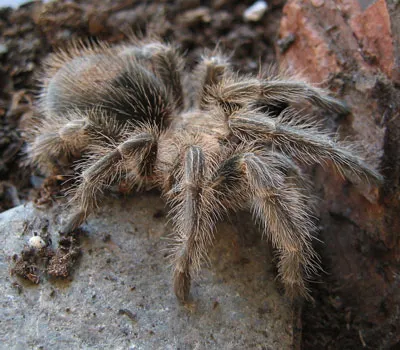
Providing fresh water is essential for your rose hair tarantula’s well-being. A shallow water dish, filled with clean water, should always be available in the enclosure. The water level should be shallow enough to prevent the tarantula from drowning, but accessible for drinking. Change the water in the dish regularly to prevent bacterial growth. Proper ventilation is equally important for the health of your tarantula. Adequate airflow prevents the buildup of stagnant, humid air, which can lead to mold and other harmful conditions. Enclosures should have ventilation holes or a screened top to allow for air circulation. The design should prevent escape, but permit airflow. Inspect the enclosure regularly to ensure that ventilation is sufficient. Proper ventilation and regular water changes are crucial for creating a healthy environment for your rose hair tarantula, ensuring its well-being and longevity.
Feeding Your Rose Hair Tarantula
Feeding your rose hair tarantula is a straightforward process, but it’s important to provide the right food and feeding schedule for optimal health. Tarantulas are carnivores and require a diet of insects. The size of the insects should be appropriate for the size of the tarantula. It is also important to consider the nutritional value of the food you provide. A well-balanced diet will support the tarantula’s growth, molting, and overall health. Proper feeding habits also contribute to the tarantula’s longevity and the enjoyment of observing this unique pet. Always remove uneaten food from the enclosure to prevent the build-up of mold and maintain a clean environment for your tarantula. Careful attention to their feeding habits is key to their well-being.
Appropriate Food Sources
The diet of a rose hair tarantula primarily consists of insects. Crickets, mealworms, and roaches are all suitable choices, offering a good source of protein. The size of the insects you offer should be appropriate for the tarantula’s size; as a general rule, the prey should be no larger than the tarantula’s body. It’s important to vary the diet to provide a balanced nutrition. Avoid feeding your tarantula insects collected from the wild, as they may contain pesticides or parasites. Always make sure the insects are sourced from a reputable pet store or breeder. You can also provide occasional treats like pre-killed insects. This variety in the diet helps to ensure that your tarantula receives a comprehensive set of nutrients, supporting its health and vitality. Always observe the tarantula after feeding to make sure it’s eating and digesting its food properly.
Feeding Frequency

The feeding frequency for a rose hair tarantula depends on its age and size. Younger tarantulas, which are still growing, typically need to be fed more frequently, perhaps once or twice a week. As they mature, the feeding frequency can be reduced to once every one to two weeks. Adult tarantulas can sometimes go for extended periods without food. Always observe your tarantula’s behavior and body condition to determine its feeding needs. A healthy rose hair tarantula will have a plump abdomen. If the abdomen appears shrunken, it may be a sign of underfeeding. Be careful not to overfeed; an overfed tarantula may refuse food. Remove uneaten food within 24 hours to prevent mold and maintain a clean environment. The amount of food offered should be proportional to the size of the tarantula, ensuring it receives the necessary nutrients without overdoing it.
Handling and Interaction
While rose hair tarantulas are generally docile, it’s best to avoid handling them unless absolutely necessary. Tarantulas can be easily stressed, and handling can increase the risk of bites or accidental drops. If you must handle your tarantula, do so with extreme caution, moving slowly and deliberately. Handle it close to the ground to prevent injury in case of a fall. Always wash your hands before and after handling to remove any potential irritants or contaminants. Remember that tarantulas can be skittish and may react defensively if they feel threatened. Building a good relationship with your tarantula is less about physical interaction and more about providing a healthy and enriched environment. Careful observation from a distance offers a fascinating experience, enabling you to witness the unique behaviors of this captivating species.
Understanding Molting
Molting is a natural process for tarantulas, where they shed their exoskeleton to grow. Before molting, your tarantula may stop eating, become less active, and may even flip onto its back. This is a sign that it is preparing to molt. Provide a humid environment during molting to help the tarantula shed its old skin. Do not disturb the tarantula during the molting process. After molting, the tarantula will be vulnerable and its new exoskeleton will be soft. Do not feed it for a few days until its fangs have hardened. The molting process can take several hours. Watch your tarantula after molting and remove the old exoskeleton. Understanding this natural process is vital in ensuring that your rose hair tarantula remains healthy and comfortable.
Recognizing Signs of Illness
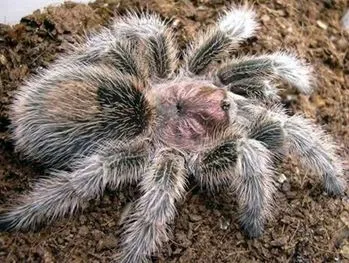
Being able to identify signs of illness in your rose hair tarantula is crucial for its health and well-being. Watch for changes in behavior, such as loss of appetite, lethargy, or unusual movements. Physical symptoms, such as a shrunken abdomen (indicating dehydration or starvation), or discoloration of the body, are other signs that require immediate attention. Check the enclosure regularly for any signs of mold or other environmental hazards. If you suspect your tarantula is ill, it is important to consult with a veterinarian who specializes in exotic pets. They can help you diagnose and treat any underlying issues. Early detection and intervention can significantly improve the chances of a positive outcome for your rose hair tarantula. Regular observation and attention to the tarantula’s well-being are keys to ensuring a long and healthy life.