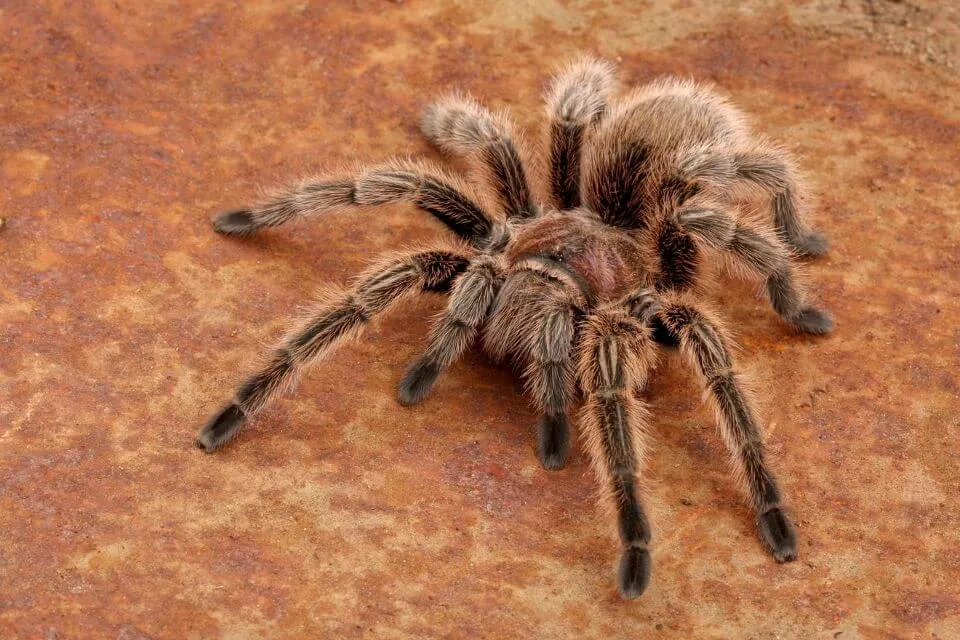
Choosing Your Rose Hair Tarantula
Bringing a Rose Hair Tarantula into your home can be an incredibly rewarding experience. These gentle giants are known for their docile nature and relatively low-maintenance care requirements, making them a popular choice for beginner tarantula keepers. However, the initial choice of your tarantula is critical. Selecting a healthy specimen will set the stage for a positive experience, ensuring your new pet thrives in its new environment. This section will guide you through the essential steps in choosing a healthy Rose Hair Tarantula, ensuring a happy start for both you and your eight-legged friend.
Selecting a Healthy Tarantula
When choosing your Rose Hair Tarantula, observe its overall appearance and behavior. Look for a tarantula that is active and alert, with a plump abdomen, and all its legs intact. Avoid tarantulas that appear sluggish, have a shriveled abdomen (indicating dehydration or lack of feeding), or are missing limbs. A healthy tarantula should respond to stimuli, like slight movement near its enclosure.
Identifying a Healthy Tarantula
Further examine the tarantula for any signs of illness or injury. Look closely for mites, which appear as tiny moving specks, or any wounds on the body. The fangs should be intact and not damaged. Observe the tarantula’s molting history (if available). A recently molted tarantula is generally a good sign, as it indicates a healthy, growing spider. If possible, ask the seller about the tarantula’s feeding habits and any previous health concerns.
Setting Up the Perfect Habitat
Creating a suitable habitat is essential for your Rose Hair Tarantula’s well-being. Their enclosure should mimic their natural environment to reduce stress and promote healthy behavior. This section will cover the key elements required for a comfortable and secure living space. By providing the right environment, you’ll significantly contribute to your tarantula’s overall health and longevity.
Choosing the Right Enclosure
The enclosure should be appropriately sized, providing enough space for your tarantula to move around comfortably. A good rule of thumb is to provide an enclosure that is at least three times the tarantula’s leg span in width. For a juvenile, a 5-10 gallon terrarium is often suitable, while adults may need a larger enclosure. The enclosure should have a secure, well-ventilated lid to prevent escape and allow for proper air circulation. Avoid enclosures with large gaps or openings that the tarantula could potentially squeeze through. The material of the enclosure can be glass or clear plastic, allowing for easy observation.
Substrate and Decor
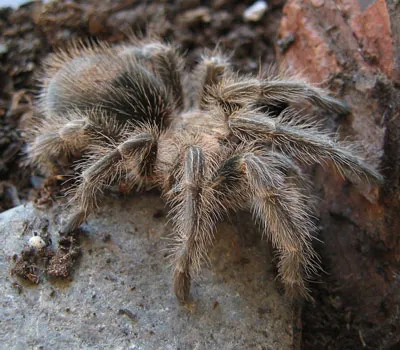
The substrate is the bottom layer of the enclosure and serves as a bedding material. The best substrate for a Rose Hair Tarantula is a mixture of coconut fiber (coir) and peat moss, as it retains moisture well and allows the tarantula to burrow. The substrate depth should be at least 3-4 inches to allow for burrowing. Decorate the enclosure with a hide, such as a cork bark half-log, to provide a secure retreat for the tarantula. Include some artificial or real plants to offer cover and enhance the aesthetic appeal of the enclosure. Ensure any decorations are securely placed and non-toxic.
Maintaining Optimal Temperature and Humidity
Rose Hair Tarantulas thrive in a temperature range of 75-85°F (24-29°C). Maintain this temperature using a heat lamp or a heat mat placed on the side of the enclosure. Always monitor the temperature with a thermometer. Humidity should be maintained between 60-70%. Achieve this by misting the enclosure with dechlorinated water every few days, and by providing a shallow water dish. Avoid over-misting, which can lead to mold growth. Regularly check the humidity levels with a hygrometer.
Feeding Your Rose Hair Tarantula
Proper feeding is crucial for your Rose Hair Tarantula’s health and growth. They are opportunistic eaters, and understanding their dietary needs and feeding habits will ensure they remain healthy and active. This section offers insights into providing your tarantula with a balanced diet, crucial for their long-term well-being.
Understanding Their Dietary Needs

Rose Hair Tarantulas are primarily insectivores. Their diet should consist of live insects, such as crickets, mealworms, and dubia roaches. The size of the insects should be appropriate for the tarantula’s size. Avoid feeding wild-caught insects, as they may contain parasites or pesticides. A varied diet is essential to provide all the necessary nutrients. Always ensure the insects are gut-loaded before feeding them to your tarantula, which means feeding the insects nutritious food for at least 24 hours before feeding them to your pet. This increases the nutritional value for your tarantula.
Feeding Frequency and Portion Sizes
The feeding frequency depends on the tarantula’s age. Spiderlings (juvenile tarantulas) should be fed 2-3 times a week. Adult tarantulas can be fed once or twice a week. Remove any uneaten insects within 24 hours to prevent stress and potential injury to the tarantula. The portion size should be appropriate; the insect should be no larger than the tarantula’s body size. Overfeeding can lead to health issues, while underfeeding can result in a loss of condition. Adjust the feeding schedule based on the tarantula’s appetite and overall health.
Providing Fresh Water
Always provide fresh, clean water in a shallow dish. The water dish should be accessible but not too deep to prevent drowning. Change the water regularly, at least twice a week, to prevent bacterial growth and keep the enclosure sanitary. Use dechlorinated water to avoid any harmful chemicals. A water dish is essential for hydration and helps maintain the required humidity levels in the enclosure.
Handling and Interaction
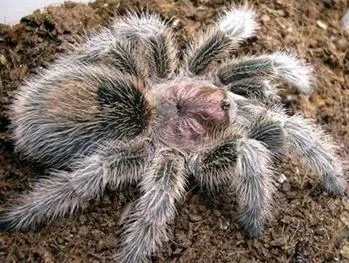
While Rose Hair Tarantulas are known for their docile nature, handling should be approached with caution and respect for the tarantula’s well-being. This section explores the safe and responsible methods for interacting with your tarantula, if you choose to do so.
When to Handle and When to Avoid
Handling should be kept to a minimum, as it can stress the tarantula. Avoid handling your tarantula after it has eaten or is about to molt, as it will be more vulnerable and defensive. Never handle a tarantula if it displays defensive behaviors such as raising its front legs or flicking hairs. Handle only when necessary, such as to move the tarantula for cleaning or inspection. The best practice is to observe your tarantula and enjoy its presence without direct handling.
Safe Handling Techniques
If you choose to handle your Rose Hair Tarantula, do so with care and respect. Approach the tarantula slowly and gently. Allow it to walk onto your open hand; never try to grab or force it. Always sit or stand close to the ground to minimize the risk of injury if the tarantula falls. If the tarantula seems agitated, gently put it back into its enclosure. Always wash your hands thoroughly before and after handling.
Common Health Issues and Prevention

Preventing health issues is a critical aspect of Rose Hair Tarantula care. Being aware of common problems and knowing how to prevent them will ensure your tarantula lives a long, healthy life. This section covers the most common health issues and how to address them.
Recognizing Signs of Illness
Monitor your tarantula for any changes in behavior or appearance. Signs of illness include a loss of appetite, lethargy, tremors, or unusual postures. A swollen abdomen could indicate a parasite or infection. Difficulty molting can also be a sign of a problem. If you observe any of these signs, consult a veterinarian experienced in treating exotic animals.
Preventative Care and Veterinary Visits
Preventative care is crucial to maintaining your tarantula’s health. Ensure the enclosure is clean and the temperature and humidity levels are optimal. Regularly inspect the tarantula for mites or other parasites. Provide a varied diet and clean water. Although tarantulas generally don’t require regular veterinary check-ups, it is important to have a veterinarian experienced in exotic pets available in case of illness or injury. A vet can provide advice on preventative care and treatment options.
Conclusion
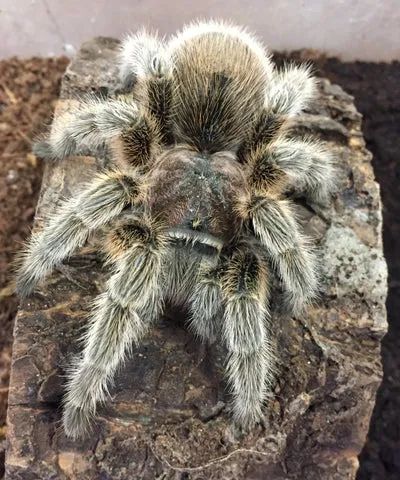
Caring for a Rose Hair Tarantula is a rewarding experience. By following these beginner-friendly tips, you can ensure your tarantula thrives in a healthy and comfortable environment. Remember to provide a suitable habitat, feed them appropriately, and handle them with care. With proper care and attention, your Rose Hair Tarantula can become a fascinating and cherished pet for many years to come.