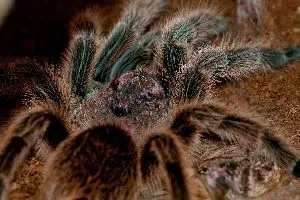
Rose Hair Tarantula Height Top 5 Facts
The Rose Hair Tarantula (Grammostola rosea), a popular pet due to its docile nature and beautiful appearance, has captivated many. Knowing the height of your Rose Hair Tarantula is crucial for its well-being and care. This guide provides essential information about the height of these fascinating creatures. From understanding the average size to how it impacts their habitat and behavior, we’ll explore everything you need to know. Let’s dive into the top 5 facts about the height of Rose Hair Tarantulas, helping you become a well-informed and caring owner. Proper knowledge of your pet’s size is fundamental for its health and happiness. Understanding these details will enable you to provide the best possible environment and care, ensuring your tarantula thrives.
The Average Size
The height of a Rose Hair Tarantula, like other physical attributes, varies depending on several factors. Generally, these tarantulas are considered medium-sized. When discussing height, we are primarily referring to the leg span, which is the distance from the tip of one leg (when stretched out) to the tip of the opposite leg on the other side of its body. The average leg span of an adult Rose Hair Tarantula usually ranges from 4 to 6 inches. However, some individuals may grow slightly larger or smaller. This size range is essential to consider when setting up a suitable habitat. Proper enclosure dimensions are critical for ensuring the tarantula can move comfortably and exhibit natural behaviors without feeling cramped or stressed. Monitoring your tarantula’s growth helps you adjust their environment as needed. This includes providing a spacious enclosure and adequate resources to support their development.
Female Rose Hair Tarantulas
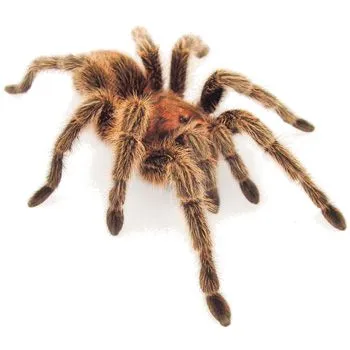
Female Rose Hair Tarantulas are typically larger and have a longer lifespan than their male counterparts. A mature female can often reach the upper end of the average leg span range, sometimes exceeding 6 inches. Their larger size means they require a more spacious enclosure. Female tarantulas tend to grow steadily throughout their lives, molting periodically to shed their exoskeletons and grow larger. This consistent growth needs an appropriate environment. Regular monitoring is important to ensure a healthy and happy pet. The growth of a female Rose Hair Tarantula is often a gradual process that can take several years to reach full maturity, underscoring the importance of proper care and a stable environment.
Male Rose Hair Tarantulas
Male Rose Hair Tarantulas, in contrast, are generally smaller and have a shorter lifespan. Their leg spans typically fall on the lower end of the average range, often around 4 to 5 inches. Male tarantulas reach their adult size faster than females, often maturing within a few years. After reaching adulthood, they focus on mating and do not molt again. This influences their overall size and appearance. The enclosure needs adjustments based on these size differences. Knowing the sex of your tarantula is important. The height differences are just one of several factors that affect their care needs and lifespan. Keeping the male in an appropriate environment ensures a comfortable life.
Factors Affecting Size
Several factors influence the ultimate size or height of a Rose Hair Tarantula. Understanding these factors can help you better manage your pet’s care and ensure they grow healthily. From genetics to environmental conditions, several elements play a significant role in determining the final size. These factors provide the basis for a proper environment. Knowing these influences allows you to make informed decisions about your tarantula’s care. By paying attention to these factors, you can optimize your tarantula’s environment. This ensures a healthy and thriving pet.
Age

Age is a primary factor determining a Rose Hair Tarantula’s size. Young tarantulas, or spiderlings, are small and grow through regular molting. Each molt allows them to shed their old exoskeleton and grow larger. The growth rate is rapid in the initial years but slows down as they reach adulthood. Adult tarantulas molt less frequently, and their size growth diminishes. The time it takes to reach their maximum size varies, with females generally taking longer than males. Proper care during these early stages is vital for healthy growth. The availability of food and suitable environmental conditions significantly impact the growth rate. Monitoring your tarantula’s age is critical to know how to adapt your care and habitat.
Nutrition
Nutrition plays a central role in a Rose Hair Tarantula’s size and overall health. A balanced diet rich in essential nutrients is critical for proper growth. Young tarantulas need more frequent feedings than adults to support their rapid growth. Their diet typically consists of insects, such as crickets and mealworms, which should be appropriately sized for their current leg span. Overfeeding can lead to faster growth, potentially affecting the tarantula’s lifespan. Conversely, insufficient nutrition can stunt growth and affect health. It’s crucial to provide fresh water and a diet appropriate for their size. Monitoring your tarantula’s eating habits and adjusting the diet as needed is essential to promote healthy growth and well-being.
Genetics
Genetics also influence the size of a Rose Hair Tarantula. The genetic makeup of the tarantula determines its potential size, regardless of environmental factors. Some tarantulas are genetically predisposed to be larger or smaller than the average size. This genetic factor contributes to the variation in size among individuals. While you cannot control the genetic traits of your tarantula, understanding its genetic potential is essential for managing its care. Ensuring your pet receives the proper nutrition and environment supports its development. Genetic factors affect how much it can grow. Observing the growth patterns can give insights into the inherited tendencies.
Measuring Your Tarantula

Knowing how to measure your Rose Hair Tarantula’s height (leg span) is a valuable skill. Regular measurements allow you to track its growth and health. Accurate measurements ensure you can adapt your pet’s environment. This can include providing a larger enclosure as it grows. Careful measurement also helps identify any potential health problems. The height can show health issues. This practice is essential for responsible pet ownership. Regular measurements are a good practice. These measurements help you stay informed and provide optimal care.
What to Measure
When measuring a Rose Hair Tarantula, you primarily measure the leg span. This involves measuring the distance between the tips of the front legs on one side and the tips of the back legs on the opposite side, when fully extended. This measurement gives an indication of the tarantula’s overall size. In addition to the leg span, you can also measure the body length, which is the distance from the front of the carapace (the hard upper shell) to the end of the abdomen. Combining leg span and body length gives a complete view of the tarantula’s size. Be careful handling your tarantula during measurement to avoid stress or harm. It’s important to measure during molting. When the tarantula is relaxed, you get the most accurate results.
Tools for Measurement
Several tools can be used to measure your Rose Hair Tarantula. A flexible ruler or measuring tape is a good option, as it can easily conform to the tarantula’s legs. A clear ruler or measuring grid placed beneath the tarantula in its enclosure can also be useful. When using a ruler or tape, be gentle and take care not to stress the tarantula. Take the measurement in a safe manner, ensuring the tarantula is stable and relaxed. Avoid forcing the tarantula into a specific position, and instead, gently guide the legs to allow for an accurate measurement. Record the measurements in a log to track progress over time. Having the proper tools and employing the right techniques makes the process easy and safe.
Importance of Knowing the Height
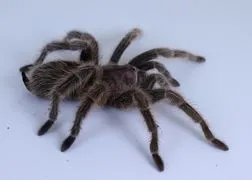
Understanding the height of your Rose Hair Tarantula has several practical benefits. It helps in selecting and maintaining an appropriate enclosure. Providing adequate space is crucial for preventing stress and promoting the tarantula’s well-being. Knowing the height helps you monitor growth. This allows you to adjust their care to their needs. It helps you gauge if your tarantula is developing correctly. The height is also helpful when comparing your tarantula’s size with that of other tarantula species. This helps to understand your pet’s size in relation to other species. Knowing the height helps in making informed decisions. Proper size information promotes your tarantula’s overall health and happiness.
Habitat and Height
The height of a Rose Hair Tarantula directly impacts its habitat needs. A well-designed enclosure provides enough space for the tarantula to move, explore, and exhibit natural behaviors. The proper habitat also needs to include the right height. The size influences the appropriate enclosure dimensions, substrate depth, and the placement of décor. Proper enclosure management is a fundamental aspect of tarantula care. By knowing and managing the height, you can create the best possible living space.
Ideal Enclosure Size
The ideal enclosure size for a Rose Hair Tarantula depends on its leg span. A good rule of thumb is to provide an enclosure that is at least three times the tarantula’s leg span in width and length. The height of the enclosure should be sufficient to allow the tarantula to move freely. This is important because this species typically does not climb. A secure lid is essential to prevent escape. Ensure proper ventilation to maintain air quality and humidity levels. Monitoring the enclosure dimensions allows for changes as the tarantula grows. Choosing the right enclosure ensures a comfortable and safe environment.
Height’s Role in Behavior

The height of a Rose Hair Tarantula influences its behavior. These tarantulas are terrestrial, meaning they spend most of their time on the ground. They generally do not climb. The enclosure height should be sufficient to prevent falls that could injure the tarantula. Adequate space allows them to exhibit natural behaviors, such as burrowing or foraging. The height is a consideration. It helps in creating a stress-free environment for the tarantula. Considering the height helps in understanding their activities. It helps you design a functional habitat.
Comparison with Other Tarantulas
Comparing the height of a Rose Hair Tarantula with other tarantula species provides valuable context. It allows you to better understand its place in the tarantula world. Different species vary greatly in size. This understanding can help you when choosing or caring for your pet. Knowing about other tarantulas is helpful. Comparisons give you insights into diverse behaviors and requirements. It offers perspective and helps you appreciate the distinct characteristics of the Rose Hair Tarantula.
Other Popular Tarantula Species
Several other tarantula species are popular pets. The Chilean Rose Hair Tarantula is a good comparison. Also, the Mexican Red Knee and the Gooty Sapphire Ornamental tarantulas have various sizes. Each species has distinct characteristics. The differences in their size and height are essential for comparison. Understanding the differences in sizes is part of responsible pet ownership. It enables you to appreciate the diversity of the tarantula family. The Rose Hair Tarantula is often preferred by beginner owners. Their smaller size and gentle nature make them ideal pets.
Height Differences Explained

The height differences between different tarantula species are due to a mix of genetic, environmental, and evolutionary factors. Genetics play a significant role in determining the maximum size of each species. Environmental factors such as diet and habitat influence the growth. The evolutionary adaptations to their natural environments have also shaped their height. Some species have evolved to be larger to better hunt prey. Others have adapted smaller sizes to fit into specific habitats. The Rose Hair Tarantula is a moderate-sized species. It is a good example of how height varies. Examining these differences provides interesting insights into the diversity of the tarantula family.
Conclusion
Understanding the height of a Rose Hair Tarantula is vital for providing proper care and ensuring their well-being. This knowledge helps you in choosing the appropriate enclosure, providing suitable nutrition, and monitoring their growth. By considering the average size, the factors influencing size, and the importance of habitat, you can create a thriving environment for your pet. Measuring the height regularly lets you track your tarantula’s health. Learning about size comparison gives you an understanding of the Rose Hair Tarantula. By following this guide, you’re equipped with the knowledge to offer excellent care. This guarantees that your Rose Hair Tarantula lives a happy and healthy life. Proper knowledge is essential for any responsible pet owner.