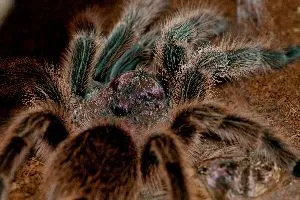
The Rose Hair Tarantula Lifespan
The rose hair tarantula (Grammostola rosea) is a popular pet due to its docile nature, relatively low maintenance, and impressive lifespan. Understanding how long these fascinating creatures live is crucial for anyone considering owning one. The lifespan of a rose hair tarantula can vary, influenced by several factors that we will delve into. Generally, a female rose hair tarantula can live for a significant period, often exceeding a decade, while males typically have a much shorter lifespan. Proper care, including diet, habitat, and handling, significantly impacts their longevity. This guide will explore the key aspects of rose hair tarantula lifespan, helping you provide the best possible environment for your pet to thrive. The rose hair tarantula, native to the arid regions of South America, has adapted to survive in diverse conditions, and this resilience contributes to their potential for a long life in captivity.
Factors Influencing Rose Hair Tarantula Lifespan
Several elements play a role in determining how long a rose hair tarantula will live. The most significant factors include diet, habitat conditions, handling, and gender. Providing an optimal environment is not merely about survival, it’s about promoting a long, healthy, and fulfilling life for your pet. Stress, poor diet, and improper housing can severely impact their lifespan, leading to health problems and early demise. In the following sections, we’ll examine each of these factors in detail to understand how to best care for your rose hair tarantula and maximize its lifespan. Knowledge and diligent care are key to enjoying many years with your fascinating arachnid companion, ensuring their well-being from the moment they enter your care.
Diet and Nutrition Impact on Lifespan

A well-balanced diet is fundamental to the longevity of any rose hair tarantula. In the wild, these tarantulas are opportunistic predators, primarily feeding on insects like crickets, mealworms, and roaches. In captivity, a varied diet mimicking their natural food sources is essential. Overfeeding should be avoided, as this can lead to obesity and health complications. Offering appropriately sized prey is equally important, as tarantulas of different life stages require different meal sizes. Supplementing their diet with occasional calcium-dusted insects can contribute to their overall health, particularly during molting. The frequency of feeding depends on the tarantula’s age and size, with juveniles requiring more frequent meals than adults. Water availability is another crucial aspect of their diet; a shallow water dish should always be available. A diet lacking essential nutrients or consisting solely of one type of prey can lead to nutritional deficiencies, compromising their health and ultimately shortening their lifespan.
Proper Habitat and Enclosure
Creating a suitable habitat is a critical element of caring for a rose hair tarantula. The enclosure should be appropriately sized, offering enough space for the tarantula to move around comfortably, yet not be so large that it feels exposed and stressed. A 10-gallon tank is usually sufficient for an adult rose hair tarantula. The enclosure should be well-ventilated, preventing the buildup of excess humidity, which can lead to fungal infections. A substrate, such as coconut fiber or peat moss, should be used to maintain humidity and provide a burrowing medium. Decorations such as hides, branches, and artificial plants can provide enrichment and security, reducing stress levels. Regular cleaning of the enclosure is essential to maintain hygiene and prevent the growth of harmful bacteria or fungi. Temperature and humidity levels must be monitored to stay within the optimal range. A poorly maintained habitat can lead to health problems and significantly reduce a tarantula’s lifespan.
Temperature and Humidity
Maintaining the correct temperature and humidity levels is crucial for the health and longevity of your rose hair tarantula. These tarantulas thrive in a temperature range of 75-85°F (24-29°C). The use of a heat lamp or under-tank heater can help maintain this range. The humidity level should be kept between 60-70%. This can be achieved by misting the enclosure lightly a few times a week, depending on the ventilation and substrate. The humidity is essential for successful molting. Incorrect temperature and humidity can lead to dehydration, failed molts, and other health issues, all of which can shorten the tarantula’s lifespan. Monitoring these environmental factors with a thermometer and hygrometer is essential. Adjustments may be necessary based on your specific environment and the tarantula’s behavior. Consistency in maintaining these conditions is key for a long and healthy life for your rose hair tarantula. Providing a thermal gradient within the enclosure, with slightly cooler areas, can also be beneficial, allowing the tarantula to regulate its body temperature.
Avoiding Stress and Handling

Rose hair tarantulas are generally docile but can be easily stressed by excessive handling. Stress can weaken their immune systems, making them more susceptible to diseases and negatively impacting their lifespan. While occasional handling is possible, it should be kept to a minimum. Handling should be done gently, with the tarantula placed on your open palm, allowing it to move at its own pace. Never force a tarantula to move or handle it when it’s in pre-molt or recently molted, as their exoskeletons are vulnerable during these times. The enclosure should provide sufficient hiding places, such as hides or burrows, where the tarantula can retreat when feeling stressed. Loud noises, sudden movements, and vibrations can also cause stress. Creating a calm and stable environment is critical. Regular observation of the tarantula’s behavior can help you identify signs of stress, such as defensive postures or loss of appetite. Minimizing stress ensures that your tarantula can live a longer and healthier life, free from unnecessary disturbances.
Gender Differences in Lifespan
A significant difference in lifespan exists between male and female rose hair tarantulas. This is a crucial factor to consider when acquiring a rose hair tarantula. Females have the potential to live considerably longer than males, often up to 15-20 years or more, under optimal conditions. Males, on the other hand, typically have a much shorter lifespan, generally around 2-5 years. This difference is largely due to the energy expenditure associated with mating and the subsequent shorter lifespan of the male after reaching sexual maturity. Understanding these gender-based lifespan differences can help set realistic expectations and enable owners to provide appropriate care tailored to the needs of their tarantula. When you purchase a rose hair tarantula, it’s essential to determine its gender to understand the potential lifespan. While sexing juveniles can be challenging, examining the presence of a spermatheca in females or pedipalps modified for mating in males can help determine the gender. The gender often influences the care you will provide, especially if you plan to breed your tarantulas, as this will impact their lifestyle and health.
Female Rose Hair Tarantula Lifespan
Female rose hair tarantulas are known for their impressive longevity, often outliving their male counterparts by a significant margin. With proper care, a female can live for 15-20 years or even longer. This prolonged lifespan is a testament to their robust nature and resilience. Factors that contribute to the longevity of females include their sedentary lifestyle, their slower metabolism compared to males, and the absence of the energy expenditure associated with mating. Providing a suitable habitat, a balanced diet, and minimizing stress are all crucial for maximizing the lifespan of a female rose hair tarantula. Ensuring that their environment consistently meets their needs allows them to thrive. They are often sought after pets due to their potential longevity and the opportunity to have a companion for many years. Investing the time and resources necessary to provide for a female rose hair tarantula ensures a rewarding experience. The extended lifespan of females can be a significant consideration for those seeking a long-term pet.
Male Rose Hair Tarantula Lifespan

Male rose hair tarantulas have a shorter lifespan compared to females. After reaching sexual maturity, males typically live for only 2-5 years. This shorter lifespan is largely due to the significant energy expenditure during mating and the physiological changes they undergo after reaching adulthood. Male tarantulas often cease eating once they reach maturity, which can further reduce their lifespan. Their primary focus becomes finding a mate, leading them to wander and potentially face dangers in their environment. While males may not live as long as females, they still require proper care to maximize their lifespan. This includes a suitable habitat, a balanced diet before maturity, and minimizing stress. Although their time with you may be relatively brief, you can enhance their life by providing an enriching environment. Careful observation of the male’s behavior can help you understand their needs and ensure their well-being during their lifespan. Being prepared for their shorter lifespan allows owners to manage their expectations.
Common Health Issues Affecting Lifespan
Several health issues can affect the lifespan of a rose hair tarantula. Understanding these potential problems is vital for providing effective care. Infections can arise from unsanitary conditions. Preventative measures such as regular enclosure cleaning and substrate changes are necessary. Nutritional deficiencies can also cause health issues. Providing a varied diet with appropriate supplements helps prevent these. Stress can weaken the immune system, increasing the likelihood of infections. Maintaining a calm environment and minimizing handling reduces stress. Addressing health concerns promptly by consulting with a veterinarian experienced with arachnids is essential. Early detection of health issues and providing timely treatment can significantly improve your tarantula’s prognosis and extend their lifespan. Knowing these common health issues enables proactive care. Educating yourself on these topics and implementing preventive measures is vital.
Parasites and Diseases
Rose hair tarantulas are relatively resistant to diseases, but they can still be susceptible to parasites and other health problems. Common parasites include mites, which can infest the tarantula’s body. Keeping the enclosure clean and properly maintained can help prevent infestations. Fungal infections can also occur, especially in environments with high humidity and poor ventilation. Proper ventilation and substrate changes are essential for preventing fungal growth. Other diseases, though rare, can affect tarantulas. If you notice any unusual behavior, such as loss of appetite, lethargy, or changes in appearance, it’s important to consult with an experienced arachnid veterinarian. Prompt diagnosis and treatment can often prevent the illness from progressing and protect the tarantula’s health. Regular observation and recognizing early signs of illness can play a crucial role in maintaining your tarantula’s health and longevity. Quarantine of new tarantulas is a good practice to prevent the spread of any potential diseases or parasites. A healthy tarantula is one that is observed regularly.
Molting and Its Impact
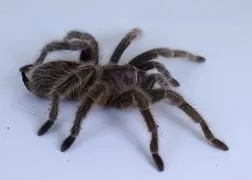
Molting is a natural process where a tarantula sheds its exoskeleton to grow. This process is crucial for the tarantula’s health and development but can also be a vulnerable time. Before molting, the tarantula may stop eating and become lethargic. They typically lay on their backs during the molting process. Providing a stable and humid environment is essential for a successful molt. Any disturbance or disruption during the molt can lead to problems, such as a failed molt. Avoid handling or disturbing the tarantula during this time. A failed molt can be fatal. After molting, the tarantula’s new exoskeleton is soft and vulnerable, so it’s important to avoid handling them until their new exoskeleton has hardened. The frequency of molting decreases as the tarantula ages, from frequent molts in juveniles to infrequent molts in adults. Ensuring proper care during molting and providing a stress-free environment is crucial for a long lifespan. This includes providing a shallow water dish and ensuring the humidity level stays stable. Watching the process is part of a tarantula owner’s responsibility.
Signs of a Healthy Rose Hair Tarantula
Recognizing the signs of a healthy rose hair tarantula is essential for ensuring its well-being. Healthy tarantulas are typically active, exhibiting normal behaviors like hunting, exploring their enclosure, and burrowing. They should have a good appetite and readily consume their prey. Their abdomen should appear plump and round, indicating they are well-fed. Their movements should be smooth and coordinated. A healthy tarantula will also have a clean, shiny exoskeleton. Monitoring these physical and behavioral characteristics can provide insights into the overall health of your pet. A healthy tarantula will have clear eyes and exhibit a normal molting cycle. Any deviations from these signs could indicate a health issue, requiring attention. Regular observation and early intervention when necessary can play a key role in the tarantula’s long and healthy life. A healthy tarantula is a happy tarantula.
Maximizing Your Tarantula’s Lifespan
Maximizing the lifespan of your rose hair tarantula involves adhering to the guidelines discussed. This includes providing a balanced diet, maintaining a suitable habitat with correct temperature and humidity levels, and minimizing stress. Handling should be kept to a minimum, particularly during molting. Regular cleaning and maintenance of the enclosure are critical for preventing health issues. By taking these steps, you can provide your tarantula with the best possible environment. A proactive approach, including regular observation of your tarantula’s behavior and health, allows you to address any potential problems early on. Providing a stimulating and safe environment, avoiding overfeeding, and knowing the gender can contribute to a longer life. Regular check-ins by an exotic animal veterinarian experienced with arachnids can also be beneficial. With proper care and attention, you can significantly enhance the chances of enjoying many years with your fascinating and beautiful rose hair tarantula. Long-term dedication is key. Remember that consistency and attention to detail are paramount.