Understanding Rose Hair Tarantula Lifespan
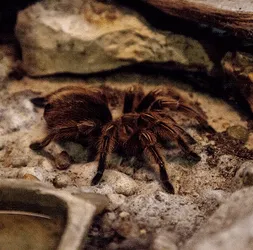
The rose hair tarantula (Grammostola rosea), a beloved pet among arachnid enthusiasts, has a fascinating life cycle, and a significant part of that is its lifespan. Knowing how long these captivating creatures live is crucial for any potential or current owner. Unlike many other pets, the lifespan of a rose hair tarantula can be quite extended, offering a long-term companionship that’s a unique aspect of owning these fascinating invertebrates. This article delves into the secrets behind a rose hair tarantula’s longevity, providing insights into the factors that influence their lifespan and how you can help your pet thrive for many years.
Factors Influencing Lifespan
Several factors contribute to the overall lifespan of a rose hair tarantula. Genetics play a role, with some individuals naturally predisposed to live longer than others. However, the conditions in which they are kept in captivity are paramount. Proper care, including habitat, diet, and health maintenance, can significantly impact their longevity. These factors are under the control of the pet owner, making it possible to influence the lifespan of your rose hair tarantula positively. Understanding these key influences is vital for ensuring your tarantula lives a long and healthy life.
Gender Differences in Lifespan

One of the most significant differences in lifespan lies between male and female rose hair tarantulas. This disparity is a crucial consideration for anyone looking to own one of these arachnids. The biological differences between the sexes contribute to this variation, and understanding it can shape the expectations of a pet owner.
Male Rose Hair Tarantula Lifespan
Male rose hair tarantulas generally have a shorter lifespan compared to females. After reaching maturity, males typically live for only a few months to a couple of years. This shorter lifespan is primarily due to the mating process, where males expend significant energy and often stop eating, coupled with the risks they face during and after mating. Once they reach maturity, their primary function is to reproduce, which significantly reduces their lifespan.
Female Rose Hair Tarantula Lifespan
Female rose hair tarantulas, on the other hand, can live significantly longer. They typically live for 10 to 20 years or even longer under optimal conditions. This extended lifespan makes them a long-term commitment, something potential owners should be fully aware of. The females’ longer lifespan is a significant factor in the popularity of rose hair tarantulas as pets, as they offer a unique opportunity for a lasting bond with their owners. The difference in lifespan underscores the importance of sexing your tarantula early to understand the commitment ahead.
Captivity Conditions and Lifespan

The environment in which a rose hair tarantula is kept dramatically impacts its lifespan. Replicating their natural habitat as closely as possible and providing optimal care can significantly extend their lives. Factors such as proper temperature, humidity, and nutrition are critical for their well-being and longevity. Ignoring these aspects can lead to a shorter lifespan and various health issues, making it imperative to maintain a suitable environment.
Importance of Proper Habitat
Creating a suitable habitat is fundamental to ensuring a long lifespan for your rose hair tarantula. The enclosure should be appropriately sized, allowing the tarantula to move around comfortably. It should also be well-ventilated but secure enough to prevent escape. The substrate should be appropriate, providing a suitable environment for burrowing. A well-designed habitat is crucial for a rose hair tarantula’s physical and psychological well-being, impacting its lifespan.
Temperature and Humidity Requirements
Maintaining the correct temperature and humidity levels is essential for a rose hair tarantula’s health. Rose hair tarantulas thrive in temperatures between 75-85°F (24-29°C). Humidity levels should generally be kept between 60-70%, especially when molting. Regularly monitoring these environmental factors with a thermometer and hygrometer is critical. Providing the correct climate will aid in their molting process and overall health. Improper temperature and humidity can lead to dehydration, respiratory problems, and other health issues, significantly reducing lifespan.
Nutrition and Feeding Habits

A balanced diet and appropriate feeding habits are vital for the rose hair tarantula’s longevity. Providing the right nutrition is critical for maintaining a healthy metabolism and supporting their overall well-being. A well-fed tarantula is less likely to suffer from deficiencies or illnesses, contributing to a longer lifespan.
Diet and Feeding Frequency
Rose hair tarantulas are insectivores, and their diet should primarily consist of insects like crickets, roaches, and mealworms. The frequency of feeding depends on the tarantula’s age and size, typically varying from once a week to once a month. Overfeeding should be avoided, as it can lead to obesity and health problems. Always ensure that the prey is gut-loaded with nutritious food prior to feeding the tarantula. Providing a varied diet can provide essential nutrients for optimal health.
Supplements and Vitamins
While not always necessary, supplements and vitamins can be beneficial. Calcium and vitamin supplements can be dusted onto the prey to ensure that the tarantula receives adequate nutrients, particularly when the diet is limited. However, supplements should be used sparingly and not as a replacement for a balanced diet. Always consult with an experienced tarantula keeper or veterinarian before adding supplements to your tarantula’s diet.
Common Health Issues

Rose hair tarantulas, like any pet, are susceptible to certain health issues. Understanding these problems and how to prevent and address them is crucial for extending their lifespan. Early detection and prompt treatment are essential for ensuring a long and healthy life for your pet.
Moulting and its Impact
Moulting is a natural process where tarantulas shed their exoskeleton to grow. This process can be stressful, and it’s important to provide a stress-free environment. During molting, the tarantula is vulnerable, so avoid handling or disturbing it. Providing adequate humidity is also crucial, as it helps the tarantula shed its old skin. Successful molting is vital for the tarantula’s growth and overall health, playing a key role in its long-term survival.
Recognizing Signs of Illness
Early detection of illness is vital. Some signs of illness include loss of appetite, lethargy, unusual posture, and changes in the abdomen’s appearance. Any unusual behavior should be addressed promptly. If you notice anything unusual, consult with an experienced tarantula keeper or veterinarian immediately. Early intervention is key to improving the chances of recovery and extending your rose hair tarantula’s lifespan.
Lifespan Comparison

Comparing the lifespan of the rose hair tarantula to other species can give a broader understanding. This comparison highlights the unique longevity of the rose hair tarantula within the tarantula family. While variations exist among species, the rose hair tarantula stands out for its potential for long-term companionship.
Rose Hair Tarantula vs Other Tarantulas
Some tarantula species, such as the Chilean rose, have similar lifespans to rose hair tarantulas. However, other species might have shorter or longer life expectancies. For instance, some tropical species may have faster growth rates but shorter lifespans. Others, like some of the larger, more slow-growing species, can live for even longer, potentially surpassing the 20-year mark for females. Understanding these variations can inform your choice of pet and your expectations regarding its longevity.
Maximizing Lifespan
To maximize your rose hair tarantula’s lifespan, careful attention to habitat, diet, and health maintenance is essential. Preventive care and a proactive approach can significantly extend their lives, ensuring they remain healthy and thriving. These steps will not only extend the lifespan but also enrich the lives of both the tarantula and the owner.
Creating an Optimal Habitat
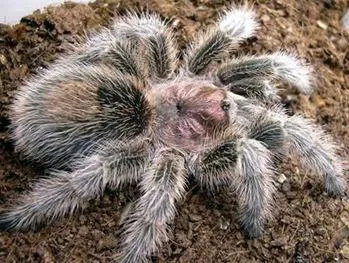
A well-designed habitat is the foundation for maximizing your rose hair tarantula’s lifespan. This includes providing an appropriately sized enclosure with the right substrate, proper ventilation, and the correct temperature and humidity levels. A comfortable and secure environment is less stressful, contributing to the tarantula’s overall health and longevity. Ensure the habitat is regularly cleaned and maintained to prevent any build-up of waste or harmful substances.
Preventive Care and Health Checks
Regular health checks and preventive care are also crucial. Observe your tarantula regularly for any signs of illness or unusual behavior. Provide a balanced diet, and ensure the prey is safe and nutritious. While rose hair tarantulas are generally hardy, it’s important to be prepared. Knowing the signs of common illnesses and consulting with an expert when needed can greatly improve the chances of a long and healthy life.
Conclusion
The rose hair tarantula can bring joy to pet owners for many years. By understanding the factors that affect its lifespan and implementing appropriate care practices, you can significantly extend the life of your rose hair tarantula. Remember that proper habitat, balanced nutrition, and health maintenance are the cornerstones of longevity. With the right care, you can enjoy many years of companionship with your captivating arachnid pet. The rewards of responsible pet ownership are a long and fulfilling partnership with these amazing creatures.