What is the Lifespan of a Rose Hair Tarantula
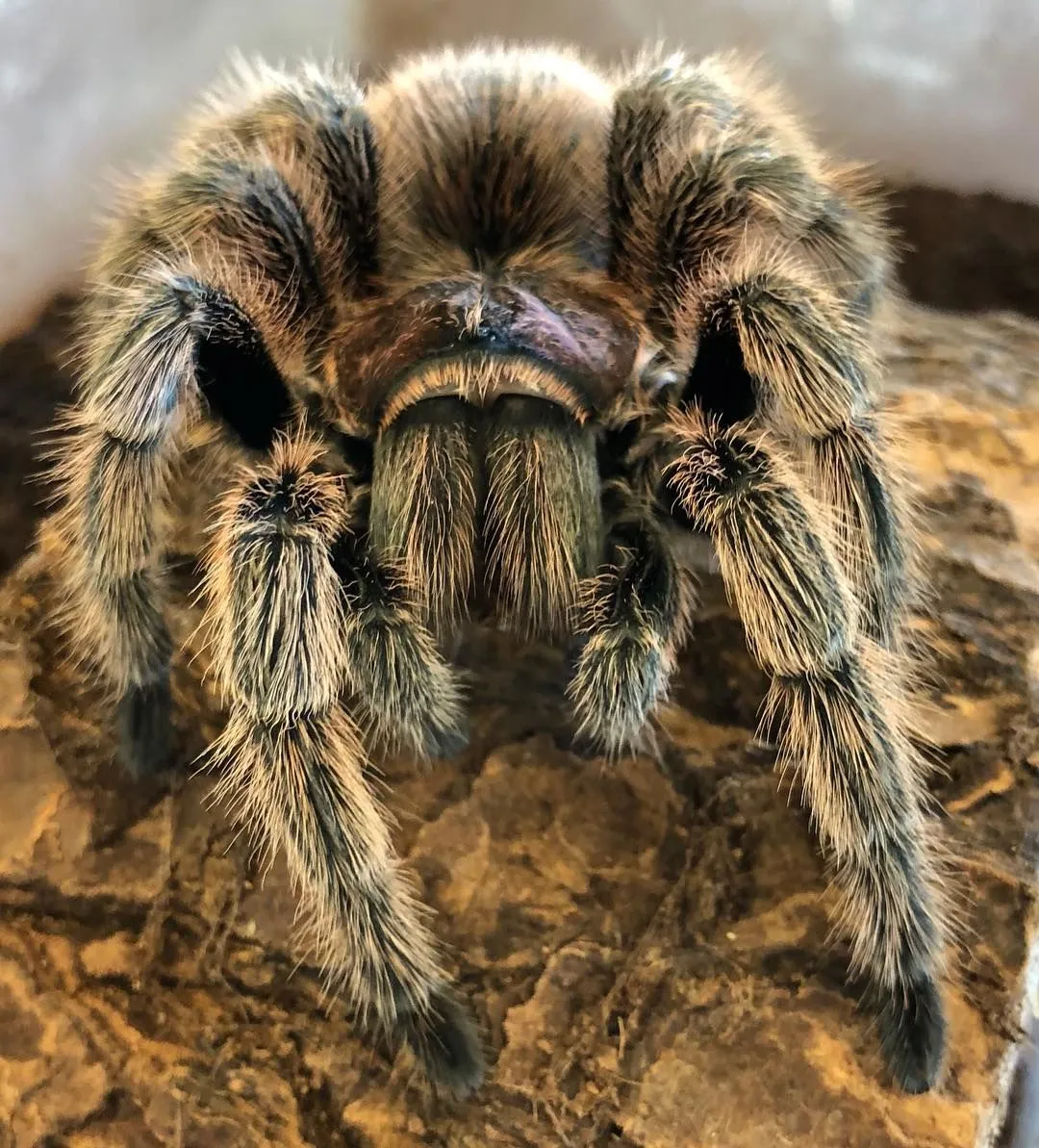
The rose hair tarantula (Grammostola rosea), a popular choice among beginner tarantula keepers, is known not only for its gentle disposition but also for its relatively long lifespan. Understanding the lifespan of a rose hair tarantula is crucial for any potential owner, as it significantly impacts the commitment required in terms of care and responsibility. This article will delve into the factors influencing their longevity, offering insights into how to ensure your rose hair tarantula lives a long and healthy life. Knowing the lifespan helps owners prepare for the long term commitment and also understand the natural life cycle of these fascinating creatures. The rose hair tarantula’s lifespan can vary based on several factors, and we will explore these in detail.
Female Rose Hair Tarantula Lifespan
Female rose hair tarantulas are renowned for their impressive longevity, often living for a considerable time. Female rose hairs can live for up to 20 years or even longer under optimal conditions. This extended lifespan makes them a significant investment for any pet owner. The female’s longer lifespan is a primary reason why many tarantula enthusiasts prefer them. Proper care, including diet, environmental conditions, and stress management, plays a crucial role in maximizing the female rose hair’s lifespan. Careful attention to these factors can contribute to a healthier and longer life for your tarantula, allowing you to enjoy their presence for many years.
Factors Influencing Female Lifespan
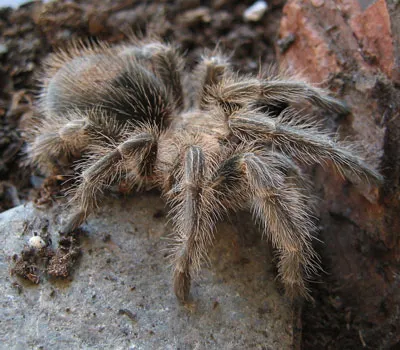
Several key factors contribute to the long lifespan of female rose hair tarantulas. High-quality nutrition is essential, including a balanced diet of appropriately sized insects. A well-maintained enclosure that provides the right temperature, humidity, and substrate is critical. Avoiding unnecessary stress, such as improper handling or loud noises, is also important. Regular health checks and early intervention for any signs of illness can further extend their lifespan. Providing a suitable environment that mimics their natural habitat is key to their overall well being. Careful management of these aspects directly impacts their longevity.
Male Rose Hair Tarantula Lifespan
Male rose hair tarantulas, in contrast to females, have a significantly shorter lifespan. Males typically live for only 5 to 10 years, often less. This difference in lifespan is primarily due to the biological realities of their reproductive cycle. After reaching maturity, males focus on mating, which can shorten their life due to the energy expenditure and risks involved. Understanding the lifespan disparity between males and females is essential for anyone considering acquiring a rose hair tarantula. While the shorter lifespan of males might be a consideration for some, their unique characteristics and behaviors can still make them interesting pets. Proper care, even for males, remains crucial to ensure they live as long as possible within their biological limits.
Factors Influencing Male Lifespan
The lifespan of male rose hair tarantulas, though naturally shorter, can still be influenced by various factors. Maintaining a healthy diet, providing a comfortable environment, and minimizing stress are vital. The male tarantula’s health can also be affected by how often they are bred and the associated stress. Some male tarantulas experience a shorter lifespan if they are used frequently for breeding. Ensuring proper hydration and avoiding extreme temperature fluctuations can positively influence a male’s longevity. Although their lifespan is inherently shorter, these factors can help maximize their time. Therefore, careful attention to their well-being remains important, offering a chance to enjoy their company for as long as possible.
Factors Affecting Rose Hair Tarantula Lifespan

Several factors, besides gender, play a crucial role in determining the lifespan of a rose hair tarantula. These factors, encompassing their entire existence, significantly impact their health and longevity. These encompass aspects of their living conditions, dietary habits, and genetic predispositions. Owners who are mindful of these considerations can significantly improve their tarantula’s quality of life. A comprehensive approach to care is key to ensuring a long and healthy life for your rose hair tarantula. By carefully addressing these factors, owners can maximize their pet’s lifespan and overall well being.
Diet and Nutrition
A well-balanced diet is paramount for the health and lifespan of any rose hair tarantula. The ideal diet consists primarily of appropriately sized insects such as crickets, roaches, and mealworms. The size of the prey should be relative to the tarantula’s size, ensuring easy consumption. Regular feeding, especially for younger tarantulas, promotes healthy growth and development. Supplementing the diet with occasional treats like pre-killed pinky mice (for adult tarantulas) can also be beneficial. However, overfeeding can lead to obesity and health complications, therefore, moderation is essential. Providing fresh water consistently is also crucial for hydration. Proper nutrition not only ensures a long lifespan but also contributes to a vibrant and active tarantula.
Enclosure and Environment
The enclosure environment significantly impacts the well-being and lifespan of a rose hair tarantula. An appropriate enclosure should be of adequate size, allowing for natural behaviors and movement. The habitat should maintain the right temperature and humidity levels. The proper substrate, such as coco fiber or peat moss, is essential for burrowing and maintaining humidity. A clean environment, with regular cleaning to remove waste and uneaten food, is crucial to prevent disease. The inclusion of appropriate hiding places and decor provides enrichment and reduces stress. Maintaining the proper environmental conditions is paramount to preventing health issues and ensuring your tarantula thrives.
Genetics and Health

Genetic factors also play a role in the overall health and lifespan of rose hair tarantulas. Purchasing a tarantula from a reputable breeder increases the likelihood of acquiring a healthy specimen. Regular health checks are essential for early detection of potential problems. Signs of illness, such as lethargy, loss of appetite, or unusual behaviors, should be addressed immediately. Providing a stress-free environment contributes to better health. Proper care, including regular inspections, allows for prompt interventions, which can improve your tarantula’s health and quality of life. Understanding these aspects of their life can contribute to a healthier, longer life.
Comparing Rose Hair Tarantula Lifespan to Other Tarantulas
Compared to other tarantula species, the rose hair tarantula offers a relatively long lifespan, especially the females. Some tarantulas, like certain Asian species, may have significantly shorter lifespans. Other species, such as the Goliath birdeater, can live for a similar amount of time or longer. It is important to research the specific lifespan of different tarantula species to understand the commitment involved in keeping them. Understanding these differences assists owners in providing species-specific care. This knowledge allows owners to better understand the specific needs of each species and adapt their care accordingly, ensuring optimal health and happiness for their pet tarantulas.
Common Misconceptions about Rose Hair Tarantula Lifespan
Several misconceptions surround the lifespan of rose hair tarantulas. One common myth is that all tarantulas have short lifespans, which is untrue, especially for females. Another misconception is that tarantulas are low-maintenance pets, when in fact, they require specific care. Some people believe that their tarantula will die of ‘old age’ suddenly. The reality is that a well-cared-for tarantula usually dies from an identifiable health issue. Disseminating accurate information about their care is crucial to dispel these misunderstandings. Correcting misinformation and educating owners is essential for promoting responsible pet ownership. Addressing these common misconceptions ensures that owners have realistic expectations. This provides owners with the tools needed to give their tarantulas the best possible lives.
How to Maximize Your Tarantula’s Lifespan

Maximizing the lifespan of your rose hair tarantula requires a proactive approach to its care. Regular health checks, a balanced diet, and a suitable environment are essential. Minimize stress by avoiding unnecessary handling and ensuring a quiet habitat. Promptly address any signs of illness or distress. Provide proper ventilation and maintain the correct temperature and humidity. Choosing a reputable breeder can also increase the likelihood of obtaining a healthy tarantula. Consistency in care, combined with ongoing learning, ensures that owners are providing the best possible environment. Taking these steps can contribute to a longer, healthier, and happier life for your rose hair tarantula. With proper care, you can enjoy the presence of your pet for many years to come.