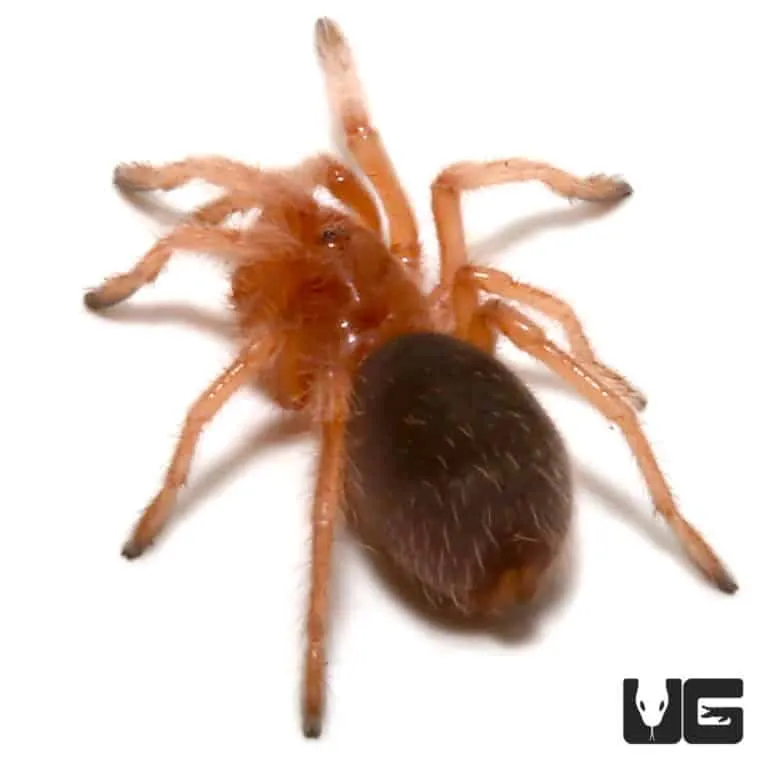
Rose Hair Tarantula Slings Essential Care
Caring for a Rose Hair Tarantula sling, the juvenile stage of this fascinating creature, requires a delicate balance of environmental control, feeding, and safety precautions. These tiny arachnids are incredibly delicate compared to their adult counterparts, demanding a specific set of conditions to thrive. This guide will break down the five essential care tips, ensuring your Rose Hair Tarantula sling grows into a healthy and magnificent adult. Understanding these foundational elements will set you on the path to successful tarantula keeping, and you’ll be rewarded with the joy of watching these amazing creatures flourish. Remember, patience and observation are key. Each sling has its own personality and needs, so adapting your care based on their individual behaviors will be a huge benefit.
Temperature and Humidity Control
Maintaining the correct temperature and humidity levels is paramount for the health and well-being of your Rose Hair Tarantula sling. These environmental factors directly impact their ability to molt, eat, and overall activity levels. Incorrect conditions can lead to stress, illness, and even death. Regular monitoring and adjustments are vital to create a comfortable and suitable habitat, mimicking their natural environment. A stable environment also reduces the risk of mites or other harmful pests. Using accurate thermometers and hygrometers will ensure these levels are correct. Always provide a thermal gradient, allowing the sling to regulate its own temperature by moving around the enclosure.
Optimal Temperature Range for Slings

Rose Hair Tarantula slings thrive in a temperature range of 75-85°F (24-29°C). Providing a consistent temperature is more important than a specific number within this range. Use a reliable heat source, such as a heat mat placed on the side or back of the enclosure (never directly under), to maintain this level. Avoid direct sunlight, which can overheat the enclosure. Monitor the temperature regularly with a digital thermometer to ensure accuracy. During colder months, you may need to adjust the heat source to maintain this optimal range, and consider providing a small area with a slightly cooler temperature to allow the sling to regulate its body temperature. Temperature fluctuations should be kept at a minimum to prevent stress.
Maintaining Humidity Levels
Humidity is another critical factor for Rose Hair Tarantula slings. The ideal humidity range is between 60-70%. Achieving and maintaining this level is best done by lightly misting one side of the enclosure every few days, or when the substrate appears dry. Avoid over-misting, which can lead to mold growth. The substrate should be damp, not soaking wet. Use a hygrometer to monitor the humidity levels accurately. Proper ventilation is important to prevent the build-up of condensation. Proper ventilation also helps avoid fungal growth. Adjust the misting frequency based on the humidity readings and the drying rate of the substrate. During molting, a slightly higher humidity level can aid the process, and the sling will let you know if it is not doing well by retreating to a burrow.
Substrate Selection and Maintenance
The substrate is more than just a bedding for your Rose Hair Tarantula sling; it plays a vital role in maintaining humidity, providing a place to burrow, and offering a sense of security. Choosing the right substrate and keeping it clean is a key component of their care. Slings are particularly vulnerable to poor substrate conditions, which can lead to mites, mold, and other health issues. The substrate should be non-toxic and able to retain moisture without becoming waterlogged. Regularly inspecting and cleaning the substrate will ensure a healthy environment for your tarantula. Substrate maintenance is also crucial to avoid the buildup of waste and harmful bacteria that could affect the sling’s health.
Choosing the Right Substrate

For Rose Hair Tarantula slings, a substrate that holds moisture well while providing good drainage is essential. A mixture of coconut fiber (eco-earth) and a small amount of peat moss is an excellent choice. These materials are readily available, safe, and hold moisture well. Avoid substrates with added fertilizers or chemicals. The substrate should be deep enough for the sling to burrow if it chooses. Vermiculite can also be added to the substrate to improve moisture retention. Ensure that the substrate is clean before use and from a reputable source to avoid any contaminants. The substrate should be about 2-3 inches deep, allowing plenty of room for the sling to make a burrow.
Substrate Moisture and Cleaning
Keep the substrate slightly damp, not wet. Misting the enclosure every few days is usually sufficient to maintain the correct humidity. Remove any uneaten food or fecal matter promptly to prevent mold growth. Spot clean the substrate regularly, removing any visible waste. A full substrate change should be performed every few months, or when the substrate becomes heavily soiled. During the substrate change, carefully move the sling to a temporary enclosure to ensure its safety. Disinfect the enclosure during substrate changes. Fresh, clean substrate is crucial for the health of your sling. Avoid letting the substrate dry out completely or become overly saturated.
Feeding Your Rose Hair Tarantula Sling
Providing the correct diet and feeding frequency is a cornerstone of Rose Hair Tarantula sling care. The nutritional needs of a growing sling are very important and will impact its development. The size and type of food you offer must be appropriate, and overfeeding can be as detrimental as underfeeding. Observe your sling’s feeding habits, and adjust the food offerings as needed. Careful monitoring will help you understand its preferences and ensure it’s getting the nourishment it requires to grow strong and healthy. Proper feeding techniques also help reduce the risk of the sling becoming stressed or injured.
Appropriate Food Choices

The primary food source for Rose Hair Tarantula slings consists of small insects. Flightless fruit flies (Drosophila melanogaster or hydei) are an excellent choice for very small slings. As the sling grows, you can introduce pinhead crickets or small mealworms. Always ensure the insects are gut-loaded with nutritious food before offering them to your tarantula. This ensures that the sling gets the necessary vitamins and minerals. Remove uneaten insects within 24 hours to prevent stress and potential injury to the sling. Do not feed wild-caught insects as they may carry parasites or pesticides that can harm your tarantula. Size your food appropriately; the prey should be no larger than the sling’s abdomen.
Feeding Frequency and Portion Sizes
Feed Rose Hair Tarantula slings 2-3 times per week, adjusting based on the sling’s size and appetite. A well-fed sling will have a plump abdomen, while a thin abdomen may indicate it needs more food. Offer 2-3 appropriately sized insects per feeding. After molting, wait a few days before feeding to allow the exoskeleton to harden. If the sling refuses food, it may be in pre-molt; don’t force it to eat. Be patient and observe its behavior, adjusting your feeding schedule as needed. Overfeeding can cause stress, so avoid offering food too frequently. The sling’s abdomen should look full, but not distended. Always provide fresh water, even if you offer pre-gut-loaded insects.
Providing Fresh Water
Providing fresh water is a fundamental aspect of Rose Hair Tarantula sling care. Although these tarantulas get some moisture from their food, a constant supply of fresh, clean water is essential for their health. Dehydration can be fatal, so ensuring a reliable water source is non-negotiable. The water dish should be accessible and easy to use, and the water itself must be clean. The use of water is not only important for hydration but also to assist with the molting process. Offering clean water is a very simple step with a significant impact on your sling’s well-being.
Water Dish Options

For Rose Hair Tarantula slings, a shallow water dish is best. Small bottle caps or very shallow dishes specifically designed for tarantulas work well. The dish should be stable and not easily tipped over, to prevent spills. Place the water dish in a location where it is easily accessible to the sling. Ensure the dish is shallow enough to prevent the sling from drowning. Avoid using sponges or cotton balls in the water dish, as these can harbor bacteria. Always provide fresh water, even if you regularly mist the enclosure to help maintain humidity.
Water Quality and Refilling
Use clean, dechlorinated water for your tarantula. Tap water may contain chlorine or other chemicals that can harm the sling. Filtered or bottled water is a good choice. Refill the water dish daily or every other day, depending on the evaporation rate. Regularly clean the water dish to prevent the growth of algae or bacteria. Use a soft cloth or cotton swab to gently clean the dish. Always rinse the dish thoroughly before refilling it with fresh water. Regularly monitoring the water quality ensures your sling has access to safe hydration. Clean water is a must for keeping your sling healthy and thriving.
Enclosure Safety and Security
Maintaining a safe and secure enclosure is critical for the well-being of your Rose Hair Tarantula sling. Slings are small and vulnerable, and even a minor escape can be very dangerous. The enclosure should prevent escapes, protect the sling from injury, and provide a stable environment. A secure enclosure protects your pet from external threats and provides a comfortable living space. Regular checks and maintenance will help prevent any potential issues. Slings are also very fragile, and accidents can happen easily. So, a safe environment is crucial for preventing any harm.
Preventing Escapes

Ensure the enclosure has a secure lid that fits tightly and is not easily opened. Check the lid regularly to make sure it is properly secured. Avoid enclosures with large gaps or openings. Consider using clips or latches to secure the lid, especially for larger slings. Be extra careful when opening the enclosure to feed or clean. Perform all enclosure maintenance in an enclosed space or over a surface where the sling can easily be contained if it does escape. Always supervise children and other pets around the enclosure to prevent accidents. Preventing escapes is essential to keeping your sling safe and healthy. Choose an enclosure specifically designed for tarantulas, and always use it as intended.
Safe Handling Practices
It’s best to avoid handling Rose Hair Tarantula slings. They are very delicate and can be easily injured. If you must handle the sling (for example, to move it to a new enclosure), do so with extreme care and caution. Always handle the sling over a soft surface, like a bed or a thick towel, in case it falls. Use a soft paintbrush or a small container to gently guide the sling if needed. Wash your hands thoroughly before and after handling. Avoid sudden movements or loud noises that could startle the sling. Handle your sling in a calm and quiet environment. Remember that your actions can significantly impact your sling’s health and well-being.