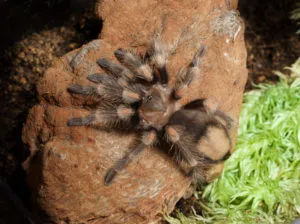
Setting up a Rose Hair Tarantula tank is a rewarding experience that provides a fascinating glimpse into the life of these intriguing creatures. A well-designed enclosure is crucial for the health and well-being of your tarantula, ensuring it thrives in a comfortable and stimulating environment. This guide will walk you through every step, from selecting the right enclosure to providing the perfect habitat, so you can create a happy and healthy home for your Rose Hair Tarantula. Proper tank setup is essential, as it directly impacts your tarantula’s ability to regulate its environment, molt successfully, and exhibit its natural behaviors. This detailed guide aims to provide comprehensive information, so you can provide the best possible life for your Rose Hair Tarantula.
Choosing the Right Enclosure
The foundation of a healthy Rose Hair Tarantula habitat is the enclosure itself. The right enclosure provides security, allows for proper environmental control, and facilitates observation of your pet. Careful consideration of size and material is essential for ensuring your tarantula’s well-being. The enclosure should be escape-proof, easy to clean, and offer a clear view of your tarantula. It’s also important to consider the adult size of the Rose Hair Tarantula to ensure the enclosure is large enough to accommodate it throughout its life. A well-chosen enclosure will contribute significantly to your enjoyment of owning a tarantula and provide a safe and comfortable home for your pet.
Size Matters Selecting the Proper Tank Dimensions
The size of the enclosure should be proportionate to the size of your Rose Hair Tarantula. While they are not overly active, they still need space to move around and exhibit their natural behaviors. As a general guideline, a juvenile tarantula can thrive in a smaller enclosure, such as a 5-gallon tank. However, as they grow, they will require a larger space. For an adult Rose Hair Tarantula, a 10-gallon tank or larger is generally recommended. The enclosure should be wider than it is tall, as these tarantulas are terrestrial and prefer horizontal space to climb. Too much vertical space can increase the risk of falls, which can be harmful to tarantulas. A good rule of thumb is to provide an enclosure that is at least three times the tarantula’s leg span in width.
Material Considerations Glass vs. Plastic Enclosures

Both glass and plastic enclosures have their advantages. Glass enclosures are generally more durable and provide excellent visibility. They are also less likely to scratch, offering a clearer view of your tarantula. However, glass can be heavier and more prone to breakage if dropped. Plastic enclosures are often more lightweight and less expensive. They are also readily available in a variety of sizes and styles. However, plastic enclosures can be more susceptible to scratches, which can cloud visibility over time. Some plastic enclosures may also warp or become brittle with age. Both materials can be suitable, so the choice often comes down to personal preference, budget, and aesthetic considerations. Ensure any enclosure you choose has a secure, well-fitting lid to prevent escapes. (Image of a glass and plastic enclosure)
Essential Substrate Selection
The substrate is the foundation of your tarantula’s habitat, providing a comfortable surface, regulating humidity, and allowing for burrowing behavior. The right substrate is vital for the well-being of your Rose Hair Tarantula, as it directly impacts its ability to molt, maintain proper humidity levels, and feel secure. It is important to choose a substrate that is safe, absorbent, and conducive to the specific needs of a terrestrial tarantula like the Rose Hair. Incorrect substrate choices can lead to issues like mold growth, improper humidity levels, and difficulty with molting, highlighting the importance of informed selection. The substrate should mimic the tarantula’s natural environment to ensure a comfortable and healthy home. (Image of rose hair tarantula in substrate)
The Importance of Substrate Types
Several substrate options are suitable for Rose Hair Tarantulas. The most common choices include coconut fiber (eco earth), peat moss, and a mixture of these materials. Coconut fiber is a popular choice due to its excellent moisture retention properties, which helps maintain the required humidity levels. Peat moss is another effective option, offering good moisture retention and a natural look. Avoid substrates that can be harmful to your tarantula, such as wood shavings or gravel. These materials can be difficult to clean, may not retain moisture well, and could potentially injure your tarantula. The substrate should be non-toxic and free from any chemicals or pesticides. A blend of coconut fiber and peat moss can provide an ideal balance of moisture retention and natural appearance.
Deep Substrate Requirements for Burrowing

Rose Hair Tarantulas are terrestrial species and are known to burrow, especially when they are younger or feel vulnerable. Providing a deep layer of substrate allows them to create burrows, which provides a sense of security and contributes to their overall well-being. The depth of the substrate should be at least 4-6 inches, allowing the tarantula to burrow and hide. The substrate should be packed down slightly to help the burrow hold its shape. Regularly check the substrate for cleanliness and replace it periodically to prevent the buildup of waste and mold. Proper substrate depth is crucial for creating a natural and stress-free environment for your tarantula. The depth should be adjusted based on the size of the tarantula and its burrowing habits. The substrate should be regularly monitored for moisture and replaced as needed to prevent mold growth.
Humidity and Ventilation
Maintaining the correct humidity level is critical for the health of your Rose Hair Tarantula. These tarantulas thrive in moderate humidity, which helps them to molt successfully and stay hydrated. Proper ventilation is equally important, as it prevents the buildup of stale air and reduces the risk of mold growth. Finding the right balance between humidity and ventilation is essential for creating a healthy environment. Incorrect humidity levels can cause molting problems, dehydration, and other health issues. Proper ventilation helps to circulate air, preventing the build-up of harmful gases and maintaining overall air quality. Regular monitoring and adjustments are key to creating the ideal environment. (Image of humidity monitor)
Monitoring Humidity Levels
Monitoring the humidity level in your tarantula’s enclosure is essential. A hygrometer is a valuable tool for measuring humidity. You can purchase digital or analog hygrometers. Place the hygrometer inside the enclosure to accurately measure the humidity levels. The ideal humidity range for a Rose Hair Tarantula is generally between 60-70%. The humidity level can fluctuate slightly, but it should generally stay within this range. If the humidity is too low, you can increase it by misting the substrate with dechlorinated water or adding a shallow water dish. If the humidity is too high, you can improve ventilation by adding more cross-ventilation or reducing the frequency of misting. Regular monitoring allows you to make necessary adjustments to maintain the proper environment for your tarantula.
Ensuring Proper Ventilation Techniques

Proper ventilation is crucial for maintaining air quality and preventing mold growth. Most enclosures have ventilation holes, either in the lid or the sides. Ensure the ventilation holes are not blocked by substrate or decorations. Adequate ventilation is essential to prevent stagnant air and potential health issues. For enclosures with limited ventilation, you can enhance airflow by carefully creating additional ventilation holes. Avoid excessive ventilation, as this can lead to a decrease in humidity. Ensure there’s enough ventilation to prevent the buildup of moisture. Proper ventilation will help to keep your tarantula healthy. Proper ventilation will keep the enclosure from getting stale and moldy.
Temperature Control and Heating
Temperature is another critical factor in your Rose Hair Tarantula’s habitat. These tarantulas are ectothermic, meaning they rely on external sources to regulate their body temperature. Providing the right temperature range is crucial for their metabolism, digestion, and overall health. Temperature and humidity work together to create a comfortable and safe environment for your pet. It is necessary to have a heat source for your tarantula, especially if you live in a colder climate. Monitoring and maintaining the proper temperature is essential for the health of your Rose Hair Tarantula. Incorrect temperatures can lead to a range of health issues.
Ideal Temperature Range for Rose Hair Tarantulas
The ideal temperature range for a Rose Hair Tarantula is between 75-85°F (24-29°C). The temperature should be consistently maintained within this range to ensure your tarantula’s comfort and well-being. Maintaining this temperature range will support your tarantula’s overall health. Use a thermometer to monitor the temperature inside the enclosure. Place the thermometer in a location where it is easily visible, away from any direct heat sources. If the temperature is too low, you can use a heat mat or a ceramic heat emitter to raise it. If the temperature is too high, ensure proper ventilation and consider moving the enclosure to a cooler location. Regular temperature monitoring helps to ensure your tarantula is comfortable and healthy.
Heating Options Heat Mats vs. Ceramic Heat Emitters

Several heating options are available for Rose Hair Tarantulas. Heat mats are a popular choice because they provide a gentle, consistent heat source. Place the heat mat on the side of the enclosure, not underneath, to prevent overheating. Ceramic heat emitters are another option. These emit heat but do not produce light, making them a good choice for maintaining a consistent temperature without disrupting the tarantula’s day-night cycle. Both heat mats and ceramic heat emitters should be connected to a thermostat to regulate the temperature and prevent overheating. Always monitor the temperature closely to ensure it stays within the ideal range. Avoid using heat lamps, as they can dry out the enclosure and cause temperature fluctuations. The use of a thermostat is highly recommended to avoid temperature-related problems. (Image of a heat mat)
Decorating the Tank
Adding decor to your Rose Hair Tarantula’s enclosure not only enhances its aesthetic appeal but also provides enrichment and security for your pet. The right decorations can create a more natural and stimulating environment, encouraging your tarantula to exhibit its natural behaviors. Avoid using items that could be harmful to your tarantula, such as sharp objects or items that can be easily ingested. Careful selection and placement of decor are essential for creating a safe and enriching environment. The decorations should be non-toxic and designed to support the well-being of your Rose Hair Tarantula. (Image of decorated tank)
Providing Hiding Spots and Enrichment
Rose Hair Tarantulas are shy creatures, and they appreciate having places to hide. Providing a hide, such as a half-log, a piece of cork bark, or an artificial cave, is essential for their well-being. The hide should be large enough for the tarantula to comfortably retreat into, providing a sense of security and reducing stress. Besides hides, you can also add other decorations, such as artificial plants or rocks, to create a more natural environment. Enriching the enclosure encourages your tarantula to explore and exhibit its natural behaviors. Arrange the decorations in a way that allows your tarantula to move around freely and create its own pathways. Hides and decorations can also help control the humidity of the enclosure.
Essential Decor for a Happy Tarantula

When selecting decor, prioritize safety and functionality. Avoid sharp objects or items that could potentially injure your tarantula. Choose decorations made from non-toxic materials. Cork bark is an excellent choice for hides because it provides a natural look and allows the tarantula to feel secure. Artificial plants add visual interest and help to maintain humidity. Make sure all decorations are securely placed to prevent them from falling and potentially harming your tarantula. Keep the enclosure clean and free from clutter to maintain a healthy environment. Ensure that the decorations complement the size and personality of your tarantula. Ensure the decorations are placed in a way that does not hinder the tarantula’s ability to move or hunt.
Water and Feeding
Providing water and food are essential aspects of caring for your Rose Hair Tarantula. A clean water source and a nutritious diet are crucial for their health and longevity. These components directly contribute to the tarantula’s ability to thrive. Proper feeding and hydration are essential to ensure that your tarantula remains healthy and can live a long, happy life. It is essential to provide the right amount of water and food to ensure your pet gets everything it needs. (Image of a tarantula feeding)
Water Bowl Requirements and Maintenance
A shallow water dish is essential for providing your Rose Hair Tarantula with a source of fresh water. The water dish should be small enough that the tarantula cannot drown in it. The water dish should be filled with clean, dechlorinated water. Change the water in the dish regularly, at least once or twice a week, to prevent the growth of bacteria. Clean the water dish thoroughly each time you change the water. Make sure the water dish is stable and cannot be easily tipped over. Using a water dish also helps to maintain the correct humidity level within the enclosure. A shallow dish helps to prevent your tarantula from falling or drowning. Use dechlorinated water to avoid potential harm to your tarantula.
Feeding Frequency and Appropriate Prey

Rose Hair Tarantulas are not voracious eaters, and feeding frequency depends on their age and size. Juveniles may need to be fed two or three times a week, while adults can be fed once a week or even less frequently. Overfeeding can be detrimental to their health. The ideal prey items for Rose Hair Tarantulas are insects, such as crickets, mealworms, and roaches. The size of the prey should be appropriate for the size of the tarantula. Avoid feeding your tarantula wild-caught insects, as they may carry parasites or pesticides. Remove any uneaten prey within 24 hours to prevent them from stressing your tarantula. Feeding your Rose Hair Tarantula is essential for its health, and it is important to feed them appropriately. Feed them a variety of prey to ensure they receive all the necessary nutrients.
Setting up a Rose Hair Tarantula tank is a rewarding experience. By following these guidelines, you can create a healthy, stimulating, and safe environment for your pet. Providing the right setup ensures the longevity and happiness of your Rose Hair Tarantula, allowing you to enjoy the fascinating world of these incredible creatures for years to come. Regular maintenance and observation are essential for ensuring the well-being of your tarantula. Remember that each tarantula is unique, so monitor your pet closely and adjust the setup as needed. With careful attention to detail, you can provide your Rose Hair Tarantula with a thriving habitat.