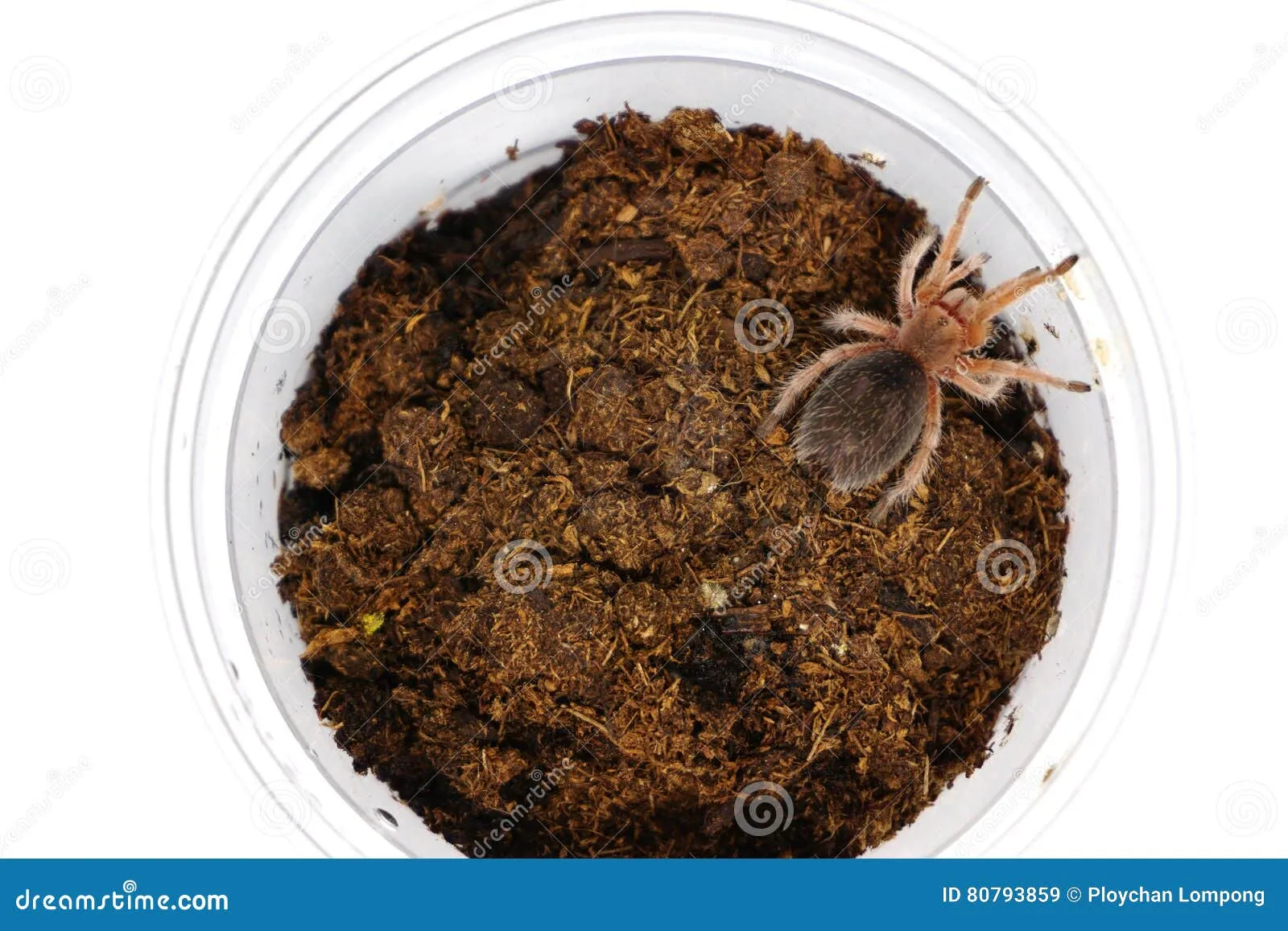
What is a Rosie Tarantula Sling (and Why Choose One)
A Rosie tarantula sling, or a young Chilean rose tarantula, is a captivating creature and a popular choice for beginner arachnid enthusiasts. These tiny tarantulas, typically measuring under an inch in leg span, offer a fascinating glimpse into the world of invertebrates. Choosing a Rosie sling as a pet can be a rewarding experience. They are known for their relatively docile temperament and hardiness, making them less intimidating than some other tarantula species. Observing their behavior, from burrowing to feeding, offers a unique educational opportunity. Their relatively slow growth rate also adds to the long-term enjoyment as you watch your sling develop into a beautiful adult tarantula. The decision to get a Rosie sling should not be taken lightly. It is essential to be ready to provide the proper environment and care for the tarantula.
Understanding the Basics of a Rosie Sling
Before bringing a Rosie sling home, it’s important to understand their basic needs. These tarantulas are terrestrial, meaning they live on the ground, and prefer a dry environment with a small amount of humidity. They are primarily ambush predators, waiting patiently for their prey. They are also relatively slow-moving, which contributes to their appeal as a pet, and are not prone to bolting or rapid movements. In captivity, they thrive on a varied diet of appropriately sized insects. They have unique biological characteristics, such as the ability to molt their exoskeleton as they grow, leaving behind a complete cast of themselves. Understanding these fundamentals provides a solid foundation for providing proper care and creating a thriving environment for your new pet. Regular research about the tarantula is recommended to keep the environment perfect.
Choosing a Healthy Rosie Sling

Selecting a healthy Rosie sling is crucial for its long-term well-being. When choosing a sling, look for one that is active and alert. It should be responsive to its environment and move with confidence. The abdomen should be plump, not shriveled, which can indicate dehydration or lack of feeding. Examine the legs; they should be intact and free of any visible injuries. A healthy sling typically has a clean appearance. Also, check the vendor’s reputation. Reputable breeders and pet stores prioritize the health of their animals and can offer valuable information about the sling’s history and care requirements. A well-cared-for sling is more likely to thrive in its new home, offering you years of enjoyment.
Things to Consider Before Buying a Rosie Sling
Before acquiring a Rosie sling, take into account several factors. Consider the long-term commitment; tarantulas can live for many years, so you must be prepared to provide care throughout their lifespan. Research the specific needs of the Chilean rose tarantula, including habitat, temperature, humidity, and dietary requirements. Ensure you can provide a suitable enclosure that meets these needs and is secure enough to prevent escapes. Also, reflect on the potential for allergies or phobias in your household. While Rosie slings are generally docile, handling them is still a factor. Ensure that all members of the household are comfortable with the idea of keeping a tarantula. Finally, familiarize yourself with local regulations regarding exotic pets. Preparation is key to a positive experience.
Setting Up Your Rosie Sling’s Enclosure
Creating the right enclosure is essential for the health and well-being of your Rosie sling. The enclosure should be appropriately sized; too large of an enclosure can make it difficult for the sling to find food and feel secure, and too small will limit space. The enclosure should be escape-proof, with a secure lid. A secure enclosure is important to prevent the sling from escaping. The enclosure should be placed in a location that is safe and free from drafts, direct sunlight, and extreme temperature fluctuations. Keeping it away from direct sunlight will prevent overheating. These considerations will help in establishing an environment where your sling can thrive. The perfect setup requires careful planning and preparation.
Choosing the Right Enclosure

The enclosure choice is important to promote the well-being of the sling. For a sling, a small, clear plastic container, such as a deli cup, is usually ideal, allowing for easy viewing and maintenance. As the sling grows, you’ll need to upgrade to a larger enclosure, such as a small terrestrial tarantula enclosure with good ventilation. Ensure that the enclosure has a secure lid to prevent escapes. Clear enclosures will help you in monitoring your tarantula. The size of the enclosure should be appropriate for the size of the sling. Too much space can stress them, so smaller spaces are preferred until they grow. Choosing the appropriate enclosure is essential to create a comfortable and safe environment.
Substrate Selection for Your Rosie Sling
The substrate provides a comfortable environment for the sling. The substrate should be several inches deep to allow the sling to burrow if it chooses to do so. Suitable substrates include a mixture of organic topsoil, peat moss, or coconut fiber. Avoid substrates that are treated with chemicals, such as fertilizers, that can be harmful. The substrate should retain some moisture but not be overly wet. This helps to maintain the appropriate humidity levels. A shallow water dish should be provided for the sling to drink from. Regular replacement of the substrate is essential to maintain hygiene and prevent mold growth. The correct substrate provides an environment where the sling can feel secure.
Providing Essential Humidity and Ventilation
Maintaining the correct humidity and ventilation is critical for a Rosie sling’s health. Chilean rose tarantulas thrive in relatively low humidity environments, with levels ranging from 60% to 70%. To maintain humidity, lightly mist one side of the enclosure once or twice a week, depending on the conditions. Ensure proper ventilation to prevent the buildup of excess moisture and the growth of mold. The enclosure should have ventilation holes to allow for airflow. Observe the enclosure for condensation, which indicates high humidity. Adjust the ventilation and misting accordingly. Monitoring and managing the humidity and ventilation will help the sling thrive.
Feeding Your Rosie Sling
Feeding a Rosie sling requires understanding their dietary needs and appetites. Slings are opportunistic feeders and will eat a variety of insects. Ensure that the prey is the appropriate size; it should be no larger than the sling’s abdomen. It’s important to choose insects that are safe for your tarantula. Pre-killed prey is often recommended, especially for slings, as it eliminates the risk of the insect harming the tarantula. Provide fresh, appropriately sized meals to ensure the sling gets all the nutrients. Monitor the sling’s feeding habits to ensure it is eating well. Observe the sling’s abdomen to ensure it is plump and not shriveled.
What to Feed Your Rosie Sling
A varied diet ensures your Rosie sling receives essential nutrients. Crickets, flightless fruit flies, and small mealworms are common food choices for slings. Crickets should be gut-loaded before feeding them to the sling. The gut-loading process involves feeding the crickets nutritious foods, such as vegetables, which in turn, makes the insects more nutritious for the tarantula. Be mindful of the size of the prey; the rule of thumb is that the prey should be no larger than the tarantula’s abdomen. Avoid feeding your sling wild-caught insects, as they may carry parasites or pesticides that can be harmful. Offering a variety of prey options keeps your sling stimulated and ensures a balanced diet.
Feeding Frequency and Portion Sizes
Feeding frequency varies depending on the sling’s age and growth rate. Young slings typically need to be fed more often. Feed a Rosie sling one or two appropriately sized insects every 2-3 days. Monitor the sling’s abdomen; a plump abdomen indicates a well-fed tarantula. If the sling is refusing food, it may be preparing to molt. Remove any uneaten prey within 24 hours to prevent the risk of injury to the tarantula. Adjust the feeding schedule as the sling grows. Provide food and ensure that the tarantula is eating, because this ensures the health of the sling.
Handling and Safety Precautions

While Rosie slings are known for their docile nature, handling them is not always recommended. Handling can stress the tarantula and increase the risk of accidental falls or injury. They can also flick urticating hairs as a defense mechanism, which can cause skin irritation. Always practice caution when interacting with a Rosie sling. Avoid handling your sling, especially after a molt. Always wash your hands thoroughly before and after any interaction. Be mindful of the tarantula’s behavior and body language. Respect the tarantula’s space and needs.
When to Handle (and When to Avoid)
Handling should be limited to essential situations. Generally, handling should be avoided. Handling should be avoided, especially when the tarantula is eating, molting, or showing signs of stress. It’s often best to admire your Rosie sling from a distance and respect its personal space. If handling is unavoidable, perhaps to move the tarantula for enclosure cleaning, do so slowly and gently. Never force the tarantula to move. Avoid sudden movements or loud noises. Before handling, make sure your hands are free of any lotions or scents that could potentially harm the tarantula.
Safe Handling Practices
If handling is necessary, ensure your safety and the tarantula’s well-being. Handle the tarantula close to the ground, minimizing the distance it could fall. Gently coax the tarantula onto your hand, allowing it to walk onto your palm. Never grab or squeeze the tarantula. Be aware of your movements and avoid sudden gestures that could startle the tarantula. After handling, wash your hands thoroughly. Always supervise children when they are near the tarantula. Prioritize the safety of yourself and the tarantula.
Common Rosie Sling Problems and Solutions

As a tarantula owner, you might face certain challenges. Being prepared for potential problems and knowing how to address them will help you provide the best care. A better understanding of common issues will help you effectively manage your sling’s health. By being proactive and informed, you can help ensure the health and well-being of your tarantula. You can help in providing the perfect conditions for a thriving Rosie sling.
Molting
Molting is a natural process in which tarantulas shed their exoskeletons to grow. During molting, your sling will become inactive and may refuse food. Before molting, the tarantula will often create a silk mat to lie on. Keep the enclosure undisturbed and maintain appropriate humidity levels. Avoid feeding during the molt. After molting, the tarantula’s new exoskeleton will be soft. Allow the tarantula several days to harden its new exoskeleton before offering food. Molting can be a vulnerable time, so providing a safe and undisturbed environment is critical. It’s important to not interrupt this process.
Dehydration
Dehydration can be a serious threat. Signs of dehydration include a shriveled abdomen, sluggishness, and lack of interest in food. Provide a shallow water dish with fresh water at all times. Make sure to regularly mist the enclosure to maintain appropriate humidity levels. If your sling is showing signs of dehydration, increase the humidity slightly. If dehydration persists, consult with an experienced tarantula keeper. Monitoring the tarantula’s behavior, activity levels, and the appearance of the abdomen will assist in detecting potential dehydration.
Caring for Your Rosie Sling as It Grows

As your Rosie sling grows, its care requirements will evolve. You will need to adjust the enclosure size, feeding frequency, and substrate. Regular observation and adaptation are essential to provide for your sling’s changing needs. Monitoring your tarantula’s growth will help ensure its well-being. Adapting care as the tarantula ages ensures that it has the best possible environment.
Monitoring Growth and Adjusting Care
Regularly monitor your sling’s growth, which can be measured by its leg span. As the sling grows, you will need to upgrade its enclosure. Increase the size of the food items and feeding frequency. Adjust the substrate depth as needed. Make sure to observe the tarantula’s behavior. Regular observations will inform any changes that are needed. Adapting care helps the sling to thrive as it grows.
The Importance of a Routine and Regular Care
Establishing a consistent routine is critical for your Rosie sling’s health and well-being. Stick to a regular schedule for feeding, watering, and enclosure maintenance. Maintaining a routine will help minimize stress. Regularly check the enclosure for cleanliness and ensure that all environmental conditions are optimal. Consistent care contributes to a thriving environment for your sling. This helps the sling feel secure and ensures that its needs are consistently met. Regular care and a consistent routine will help to ensure that your Rosie sling lives a long and healthy life.